The stories, heroes, designs and impressions of endless adventures at the edge of imagination and reality have built the creative world of Swiss concept laboratory MB&F for two decades. Not giving a chance to conventions, MB&F is introducing a wristwatch faced metallic savior. The HM12 The Guardian is a design collaboration between founder Maximilian Büsser and friend Maximilian Maertens.
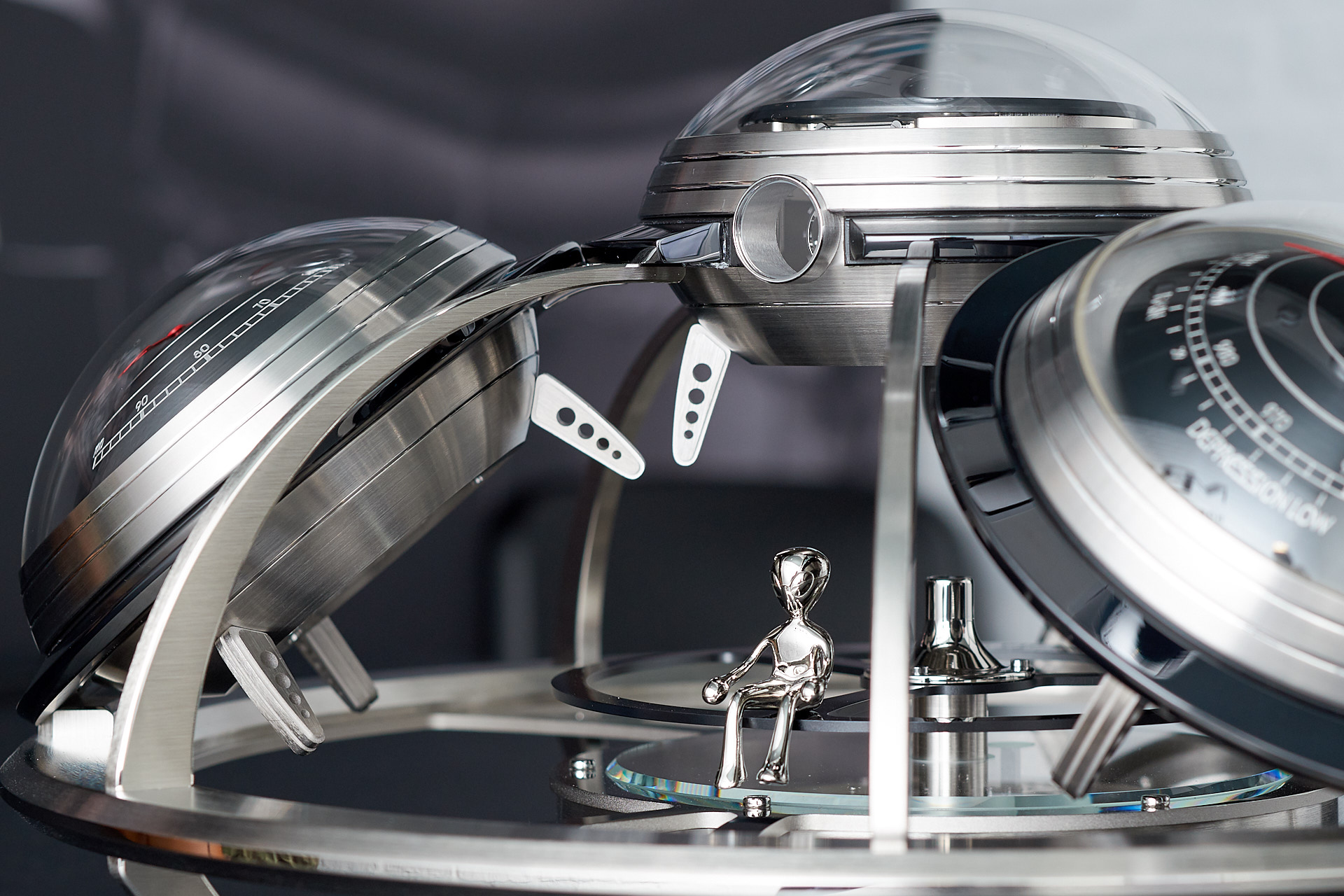
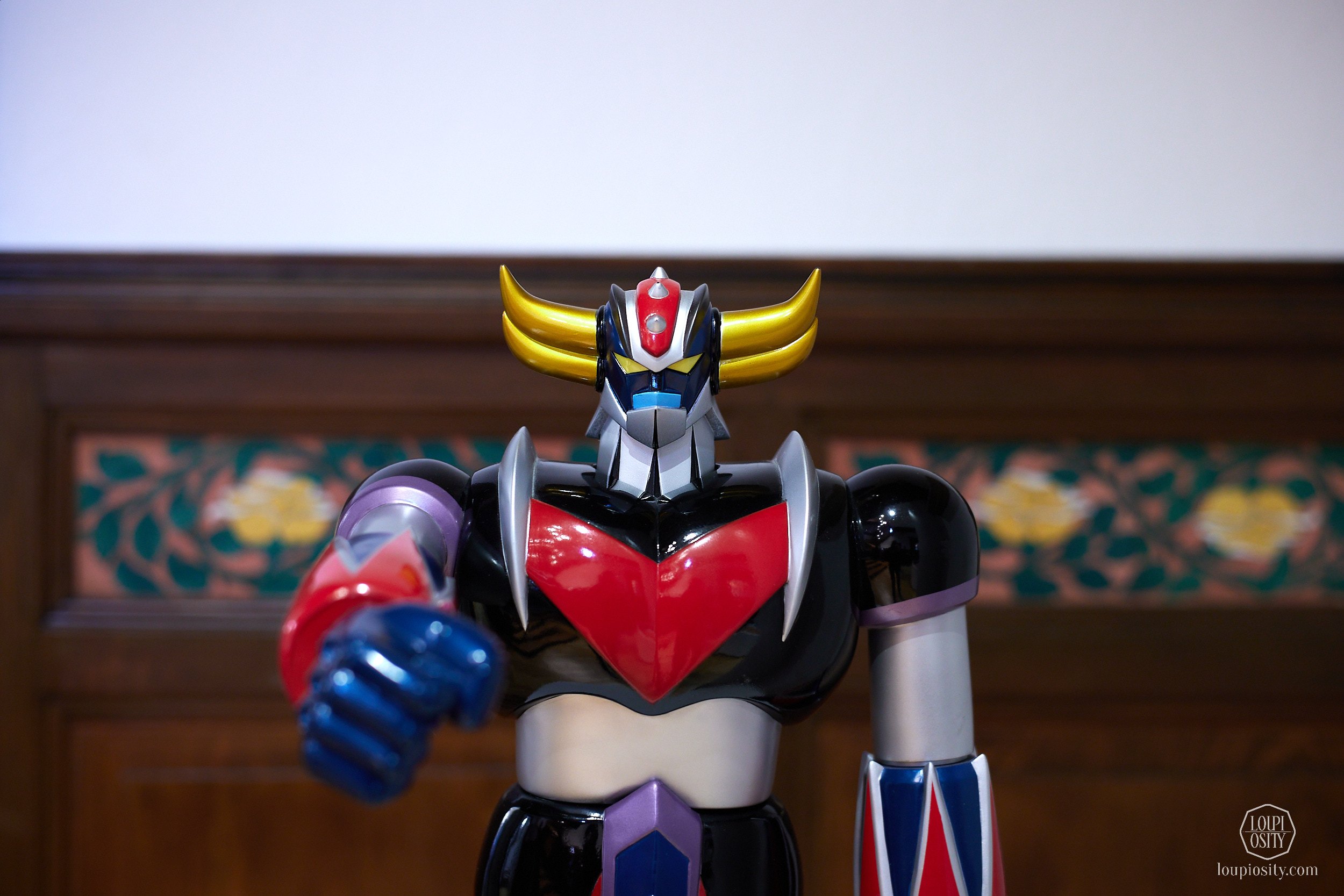
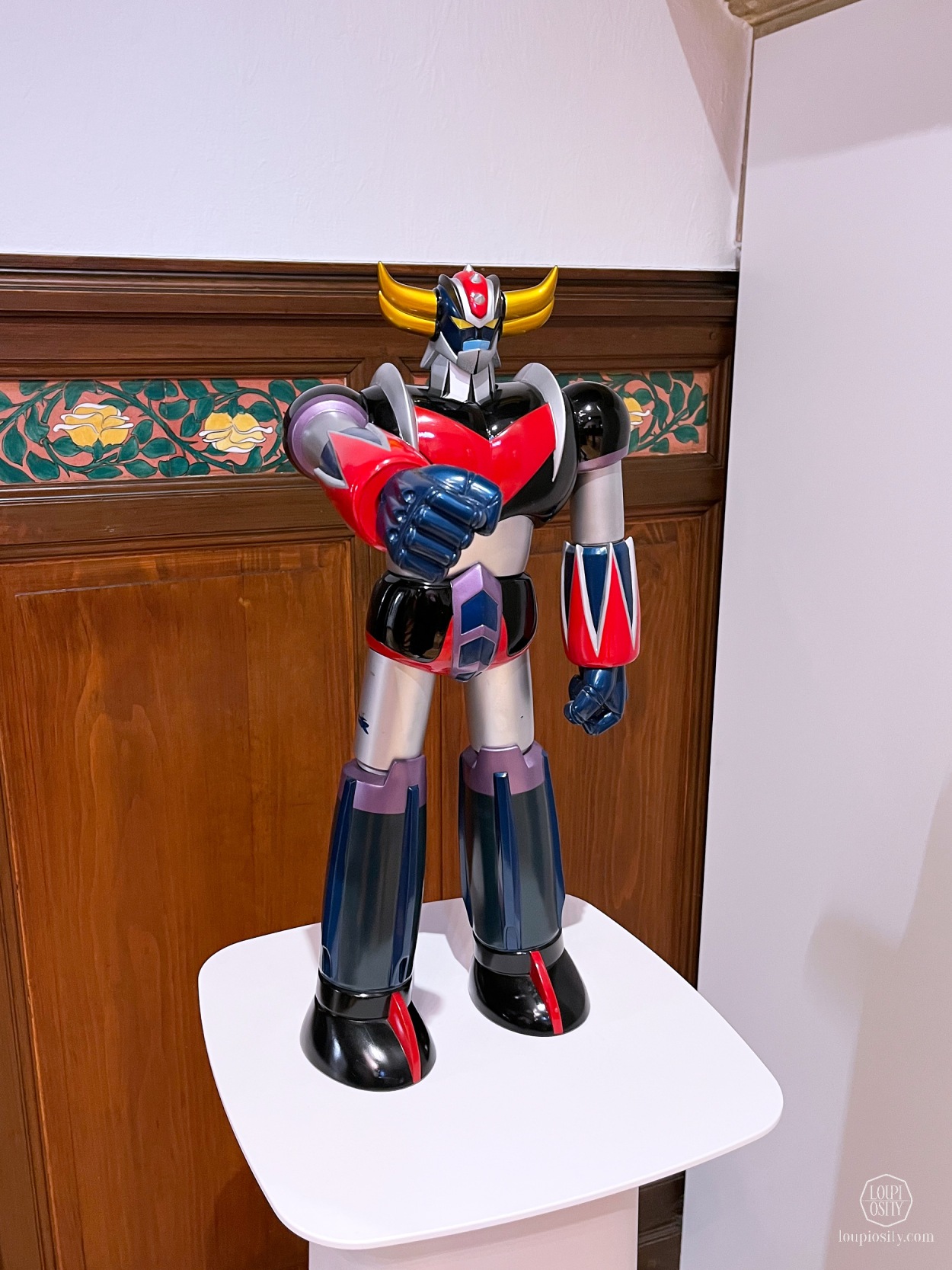
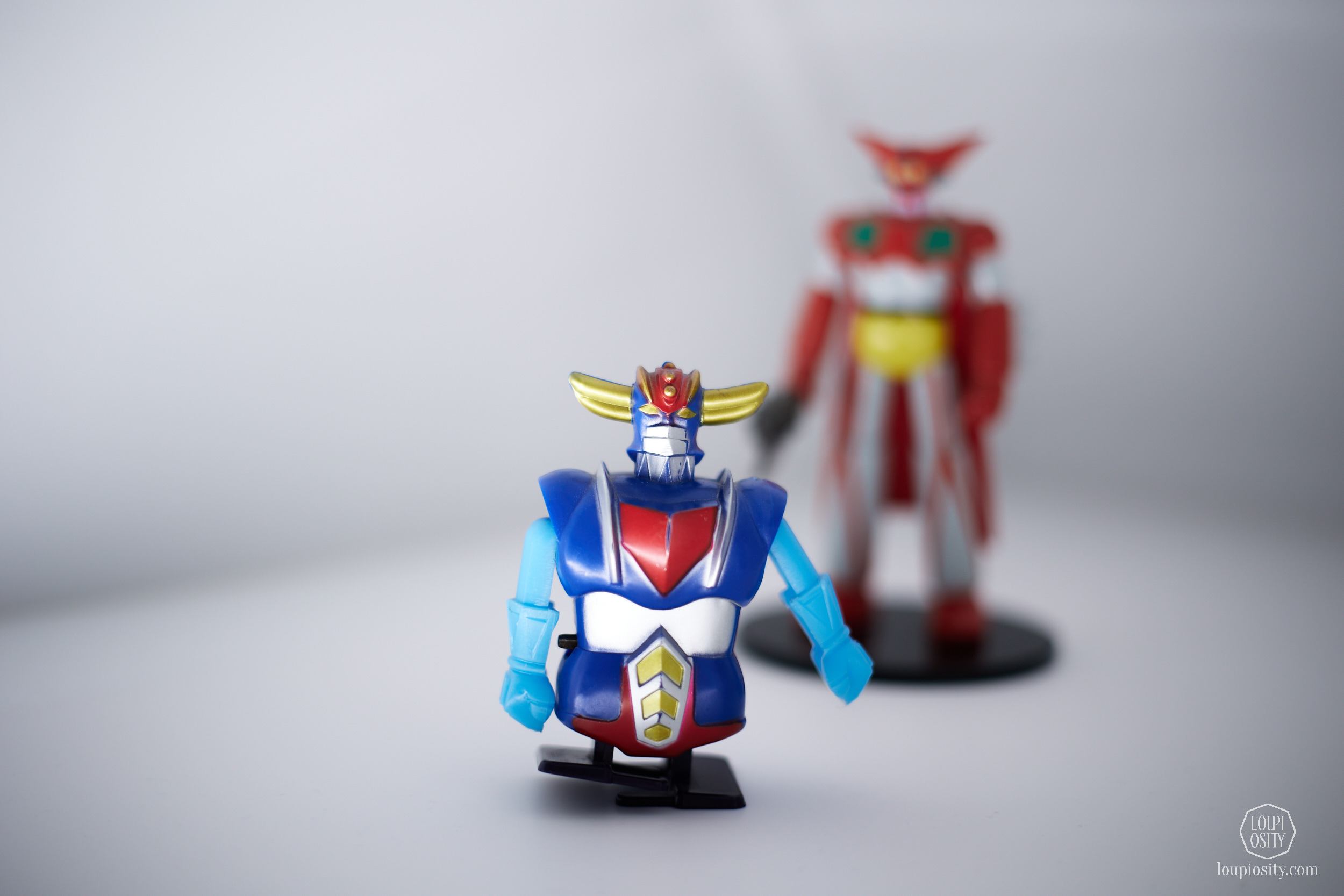
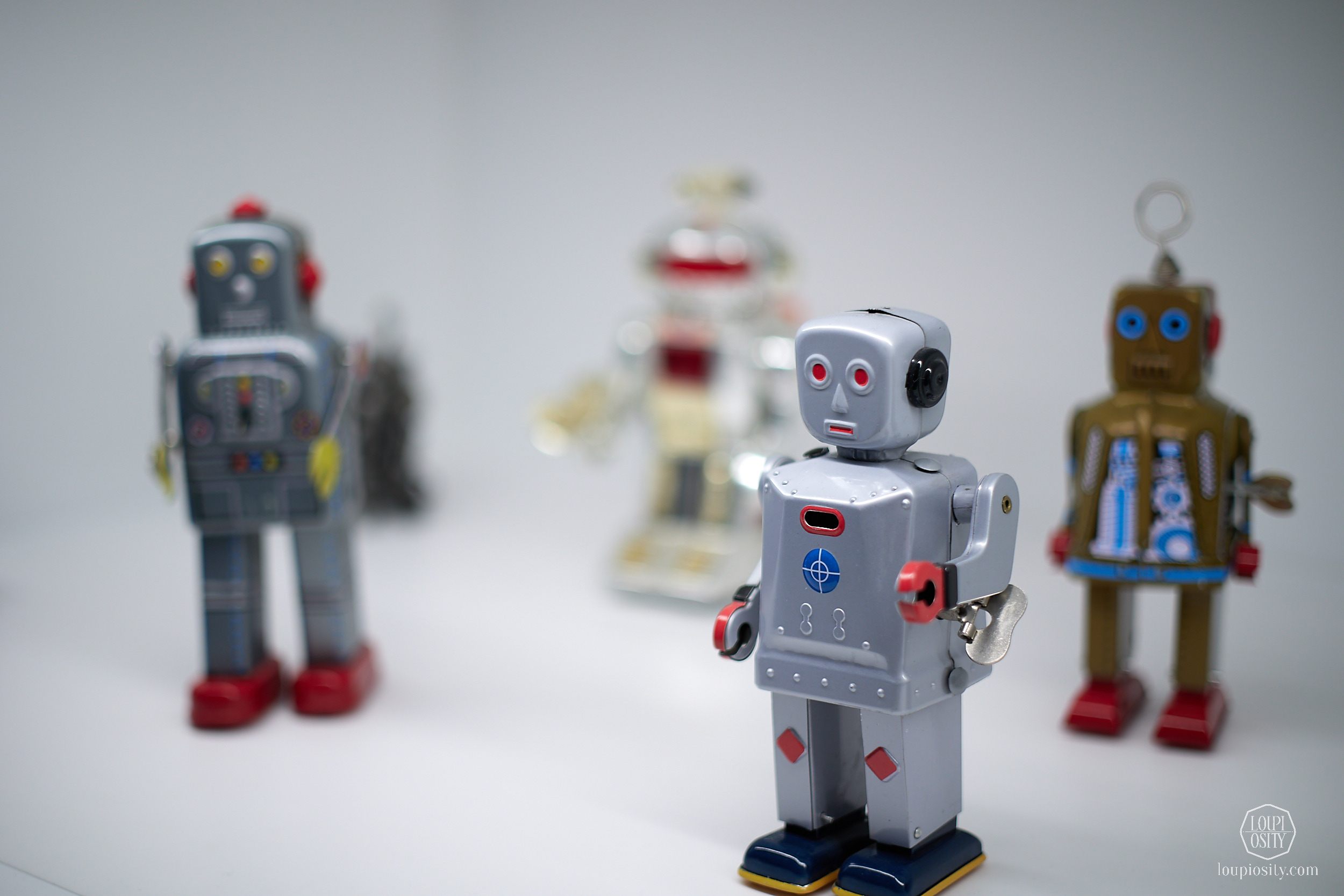
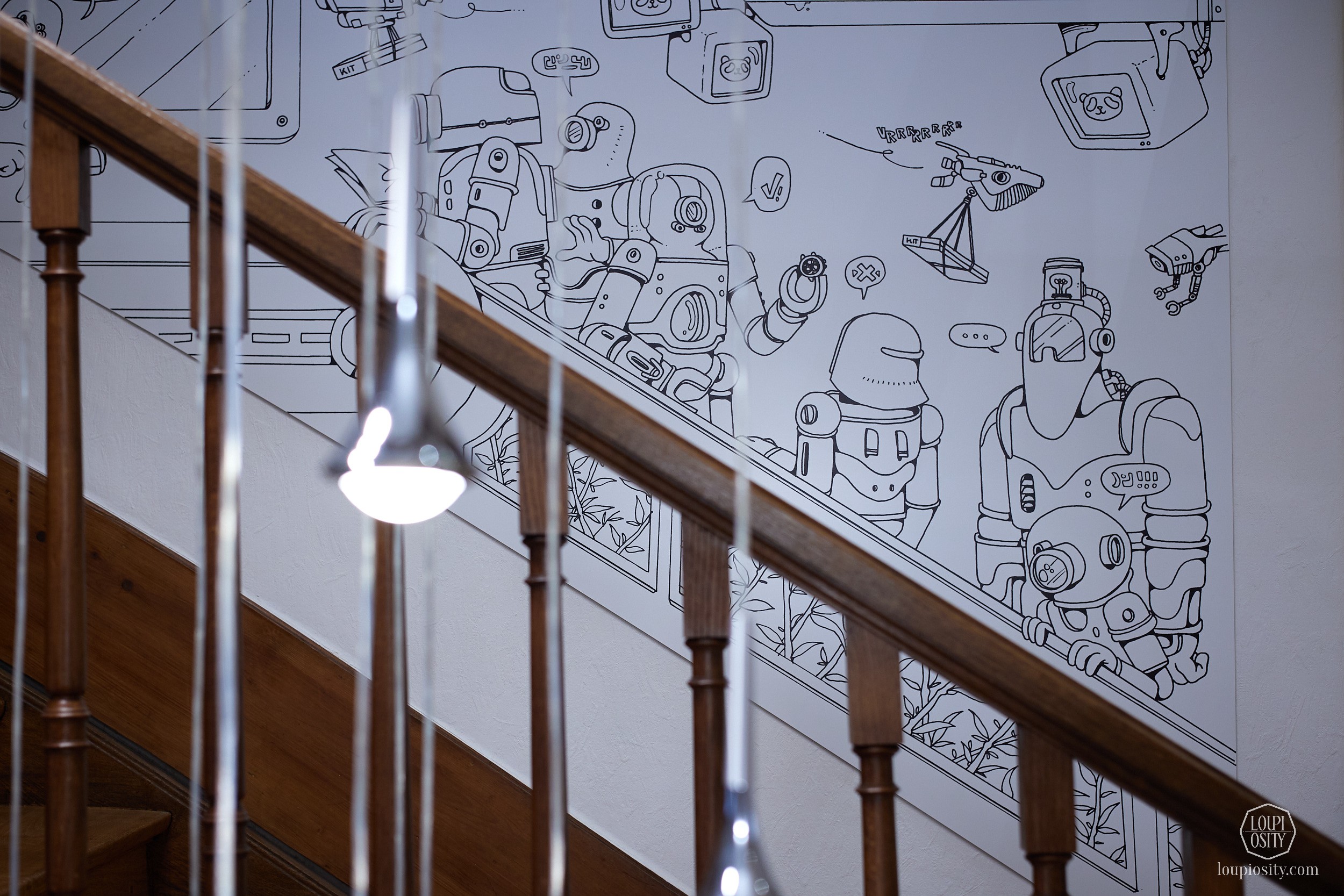
Max Büsser’s fascination for sci-fi and space-inspired design has shaped all MB&F Machines of the past 20 years. The theme influences what he and his colleagues like to surround themselves with to fuel their creative thinking. It is present on the booths whenever they exhibit, in the retro-futuristic look of the Galleries, and at their headquarters the M.A.D. House in Carouge, Geneva. Cartoons of busy and confused machines on the walls, tin battery-run robot toys from the 1960s–1970s on the shelves, and the Japanese manga robot Grendizer appear everywhere in the House in all dimensions ensure unlimited source for the borderless creative journeys. By becoming round-the-clock creative companions to the MB&F team rather than merely passive observers of events, they guarantee their own immortality.
These 50-60-year-old tin robots are remarkable messengers of the collective dreaming, and the faith and hopes for the tech-enabled future that emerged in the aftermath of the world war. This era in Japan witnessed an extraordinary industrial resurgence, during which traditional toy manufacturing transitioned toward the production of lithographed tinplate objects. Throughout the 1950s and 1960s, Japan established itself as the premier global epicenter for mechanical toy production, exporting millions of pieces worldwide. Among the most coveted exports were tin robots and space toys, which perfectly captured the technological optimism of the mid-century period and a widespread cultural fascination with early science fiction. These objects frequently integrated sophisticated internal clockwork mechanisms, battery-powered functions, sparking flint elements, and walking actions. Iconic figures and various space explorers of manufacturers like The Metal House, Masudaya, Nomura, Yoshiya, Bandai, Horikawa and Yonezawa stimulated the imaginations of children globally. The visual aesthetic of these toys was characterized by geometric metal stamping, vibrant primary color palettes, and visibly exposed rivets. Rather than existing as simple static objects, these toys were infused with distinct personalities, often portrayed as benevolent protectors or helpful mechanical companions. Today, these vintage tin creations are highly sought after by international collectors, representing a unique historical intersection of post-war manufacturing ingenuity and early pop-culture futurism.




HM12 The Guardian
This latest novelty is inspired more by the later humanoid robots, such as the aforementioned Grendizer army in the M.A.D. House originated in the mid-70s.
While the renowned designer Eric Giroud remains an essential collaborator on parallel collections, HM12 is the first Horological Machine conceived and developed entirely by Maximilian Büsser and Maximilian Maertens. Maertens first encountered the brand as an intern before eventually returning in 2021 to assume a high-profile position. His previous contributions were primarily focused on the sculptural clocks and music boxes co-created alongside specialized houses like L’Epée 1839 and Reuge. For this project, Büsser established the initial conceptual framework, asking how a timepiece might function if it were designed as the head of a robot, while Maertens served as the primary architect and manager of the four-year development process.
“Maximilian Maertens was born in Hagen, Germany. He founded Studio Märtens in Berlin in 2019 after studying product design across Germany, Italy and Switzerland, and earning a master’s from ECAL Lausanne. His distinctive work spans furniture, lighting, collectibles and avant-garde timepieces, which have been featured at Vitra Design Museum, London’s Design Museum and Vienna’s MAK. In a New York Times interview with Maximilian Büsser published on February 11, 2026, Büsser described Maertens as a ‘handpicked successor’ who shapes the next chapter of the brand’s ‘horological fantasy.’”
The development of HM12 The Guardian followed an unexpected timeline. Originally envisioned to commemorate the 20th anniversary of MB&F in 2025, the intensive engineering process grew significantly in complexity, ultimately requiring four years of meticulous research and development. This prolonged evolution shifted the project from an anniversary celebration into a strategic milestone to launch the third decade of the independent brand.
A Wristwatch Face and Sculptural Body
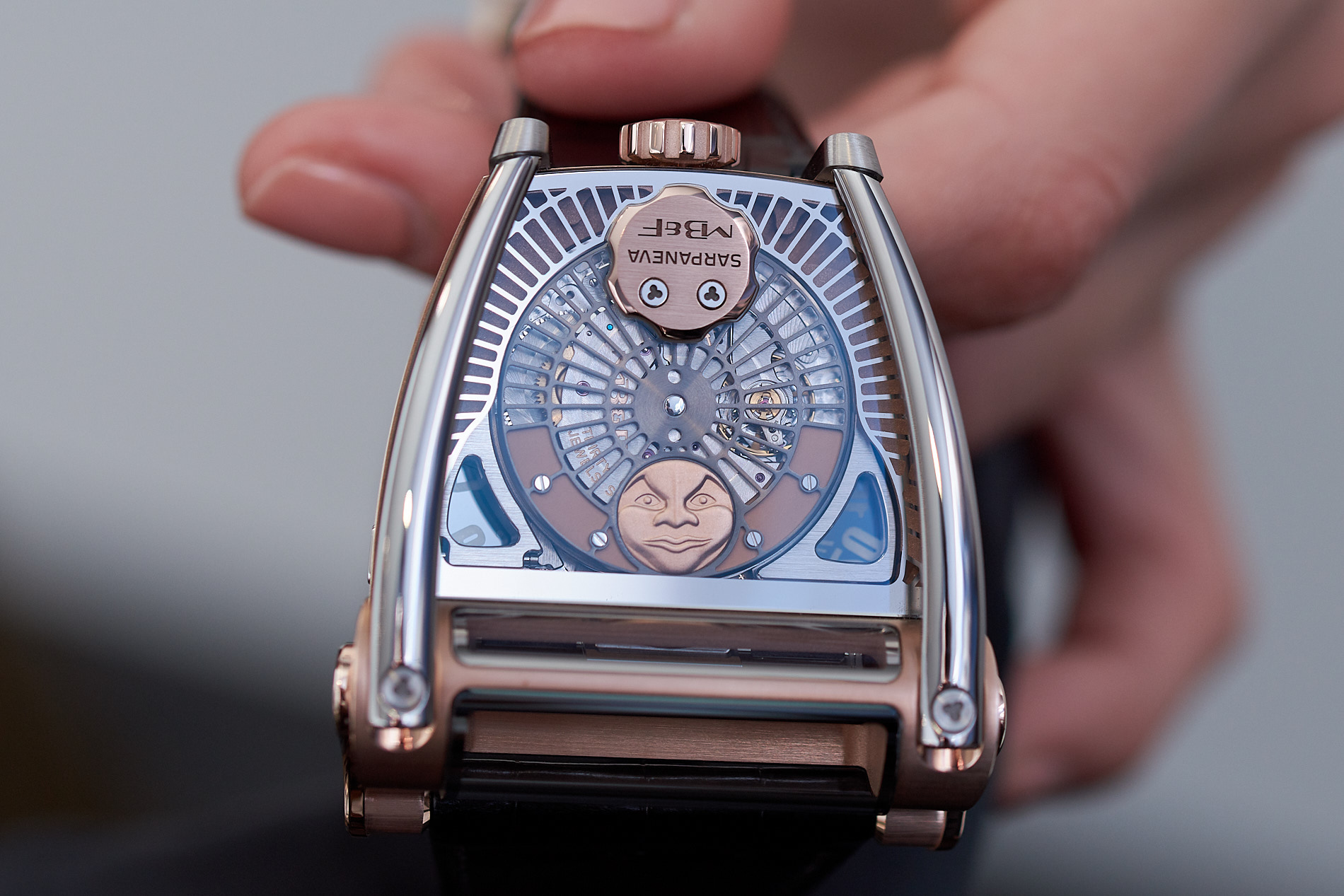
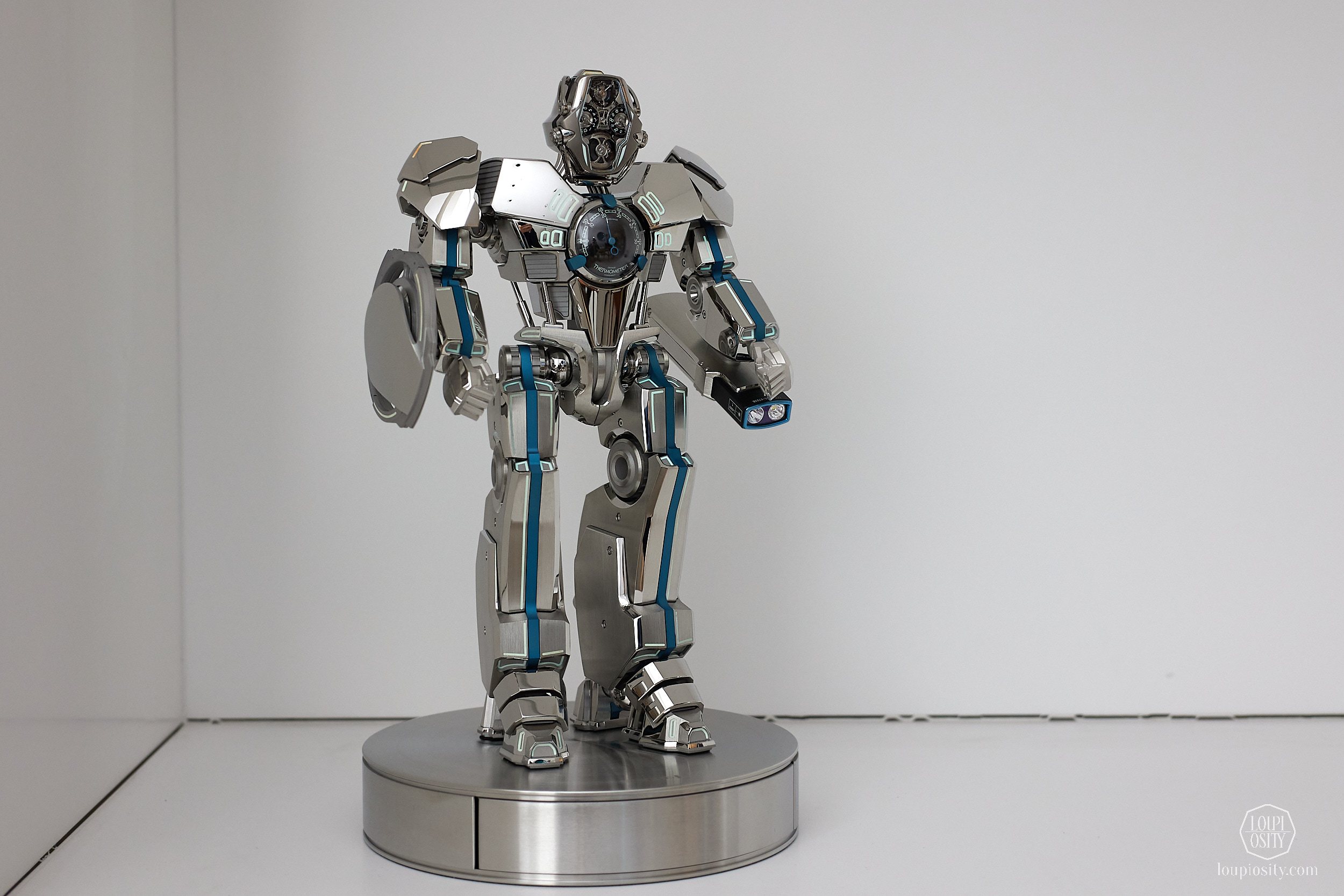
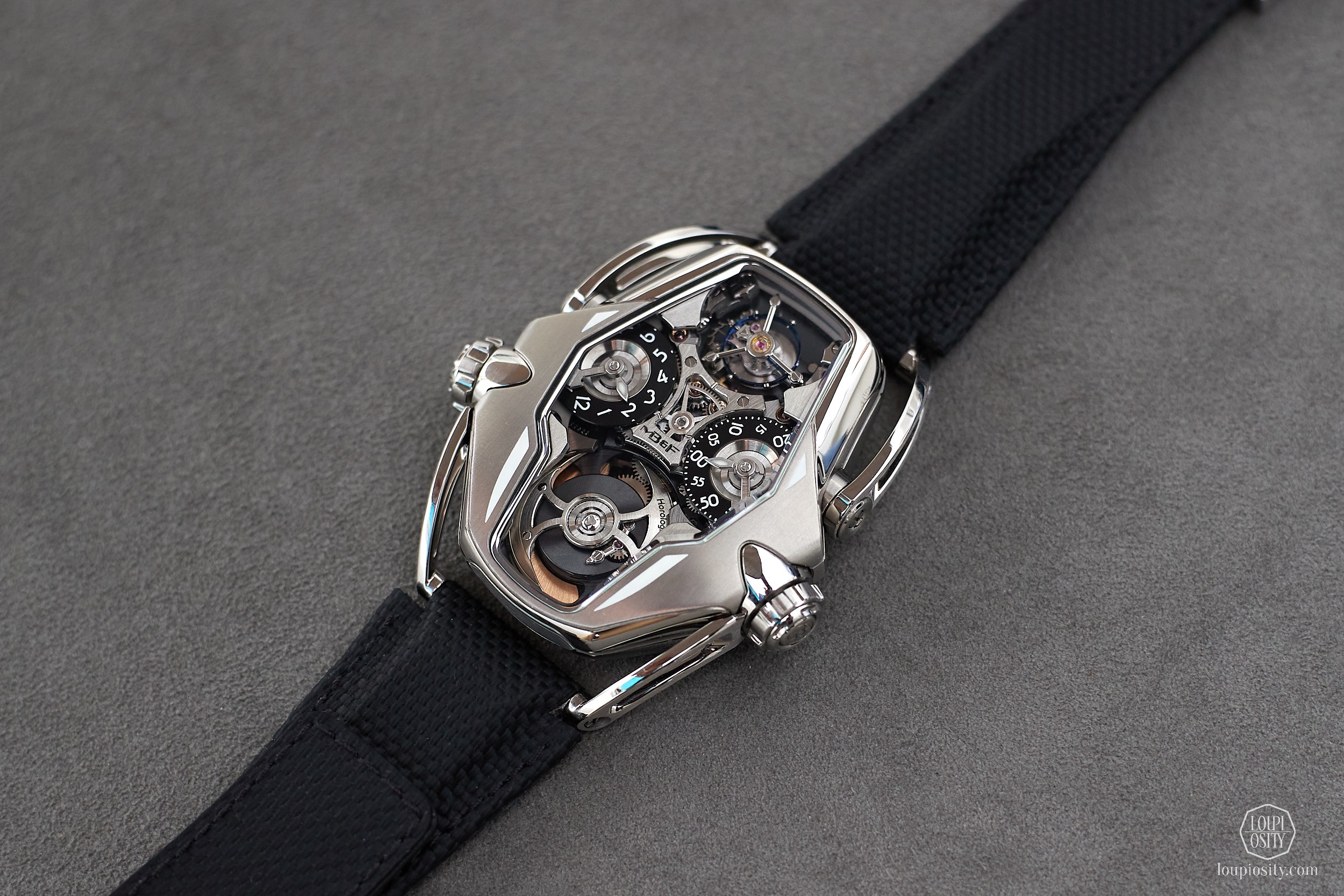
The visual layout of HM12 reads immediately as a mechanical face that synthesizes distinct generational imaginations. Büsser drew inspiration from 1970s and 1980s science fiction where machines acted as characters, while Maertens integrated a contemporary perspective informed by later animated series and cinematic themes. The timepiece intentionally transforms traditional horological indications into expressive facial features. The time display occupies the position of the eyes, featuring instantaneous jumping hours on the left and trailing minutes on the right, read against a fixed index via rotating discs. An automatic micro-rotor, crafted in MB&F’s signature battle-axe profile, sits where the mouth would naturally reside. Directly above, an exposed flying tourbillon operates as the mechanical brain under a sapphire crystal structure that allows light to enter from multiple angles for front and lateral viewing.

Adding further mechanical intrigue, the creators developed an intricate face shield mechanism operating as both an independent complication and a narrative device. Driven by the left crown, the shields move in a continuous, linear trajectory, allowing the wearer to adjust dial exposure from completely visible to entirely hidden. The crown features a declutching system that disengages once the shields reach their terminal stops. This independent system comprises more than 200 individual components, utilizing traditional high-end decorations such as chatons, polished wheels, and inward angles.
The case is sculpted from Grade 5 titanium, measuring 49.3 mm in length, 43.6 mm in width, and 13.8 mm in height, featuring mobile lugs at 12 o’clock and Super-LumiNova highlights. The internal automatic movement contains 646 components and 86 jewels, delivering a substantial 84-hour power reserve. While the front presents an expressive face, the reverse side embraces a classical horological layout. The symmetrical movement features hand-finished bridges and a rear winding rotor with a guilloché dome executed by Kari Voutilainen’s team, requiring precise engine-turning across a spherical surface rather than a flat plane.
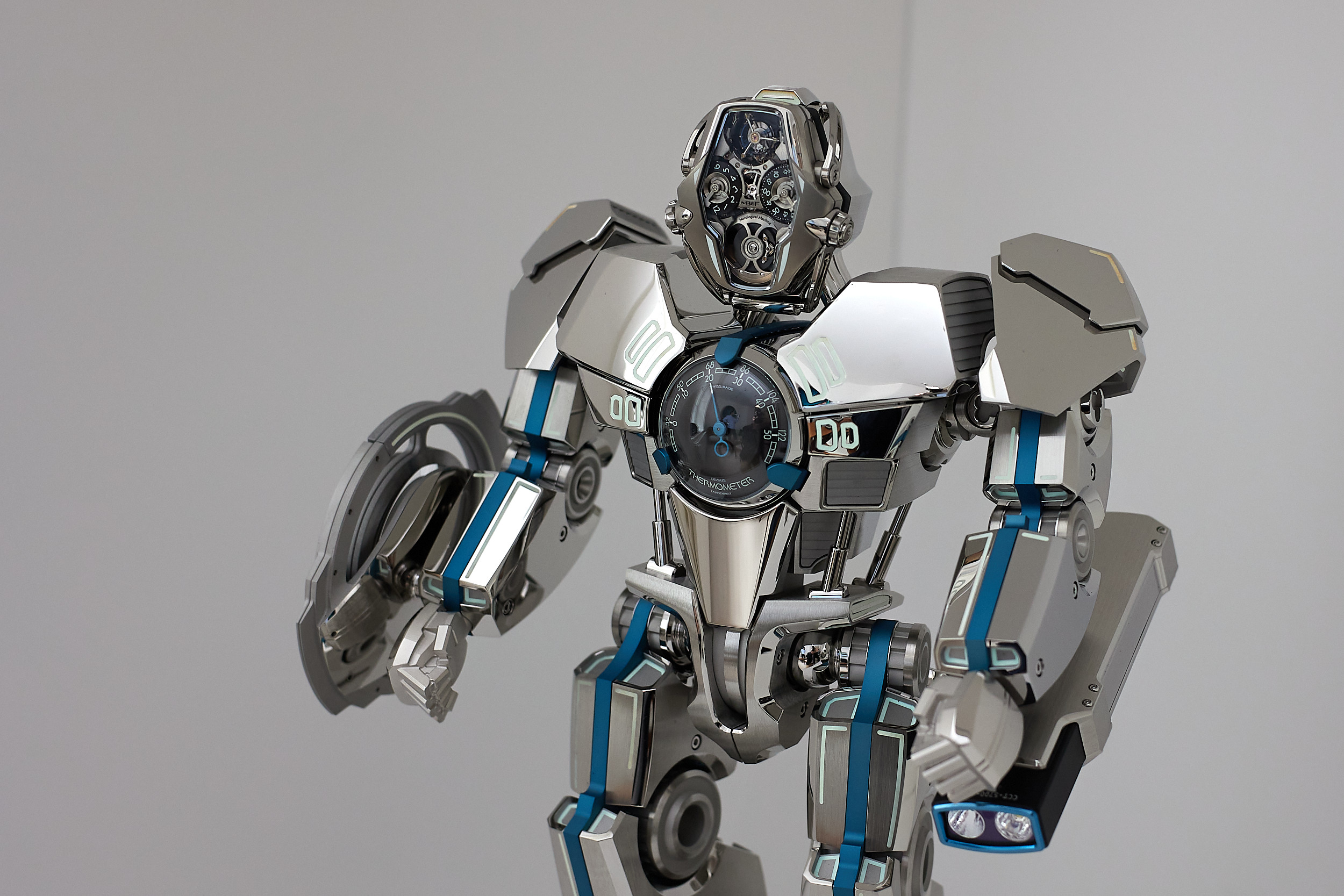
The wristwatch detaches via a quick-release mechanism to dock directly onto a 38.2 cm tall stainless steel robot sculpture named The Guardian. Developed with L’Epée 1839, this mechanical companion is constructed from 755 components and weighs approximately 15 kg. A mechanical thermometer sits in the chest as a heart, while the arms carry an integrated magnifying loupe shield and a detachable ultraviolet torch. The fabric strap is accommodated inside a hidden drawer within the base. The complete concept is available in three limited variations of 12 pieces each, finished in green, blue, or purple.
The HM12 The Guardian is MB&F’s confirmation that their foundational motto “a creative adult is a child who survived” lives stronger than ever heading into the third MB&F decade, promising fresh ideas and exciting surprises for the future. The shared sense of mechanical wonder and sci-fi will continue to entertain serious collectors and playful grown-ups.
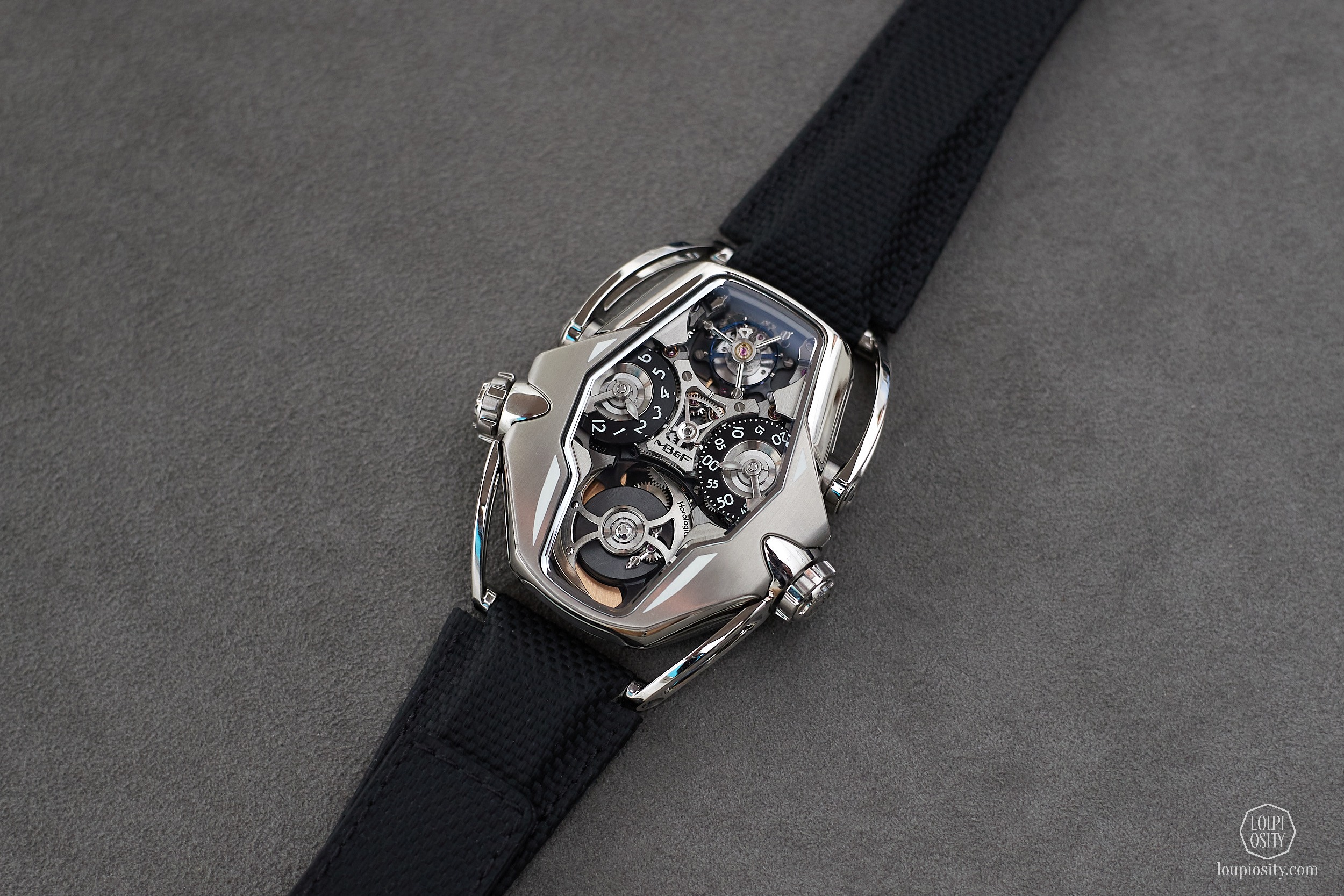
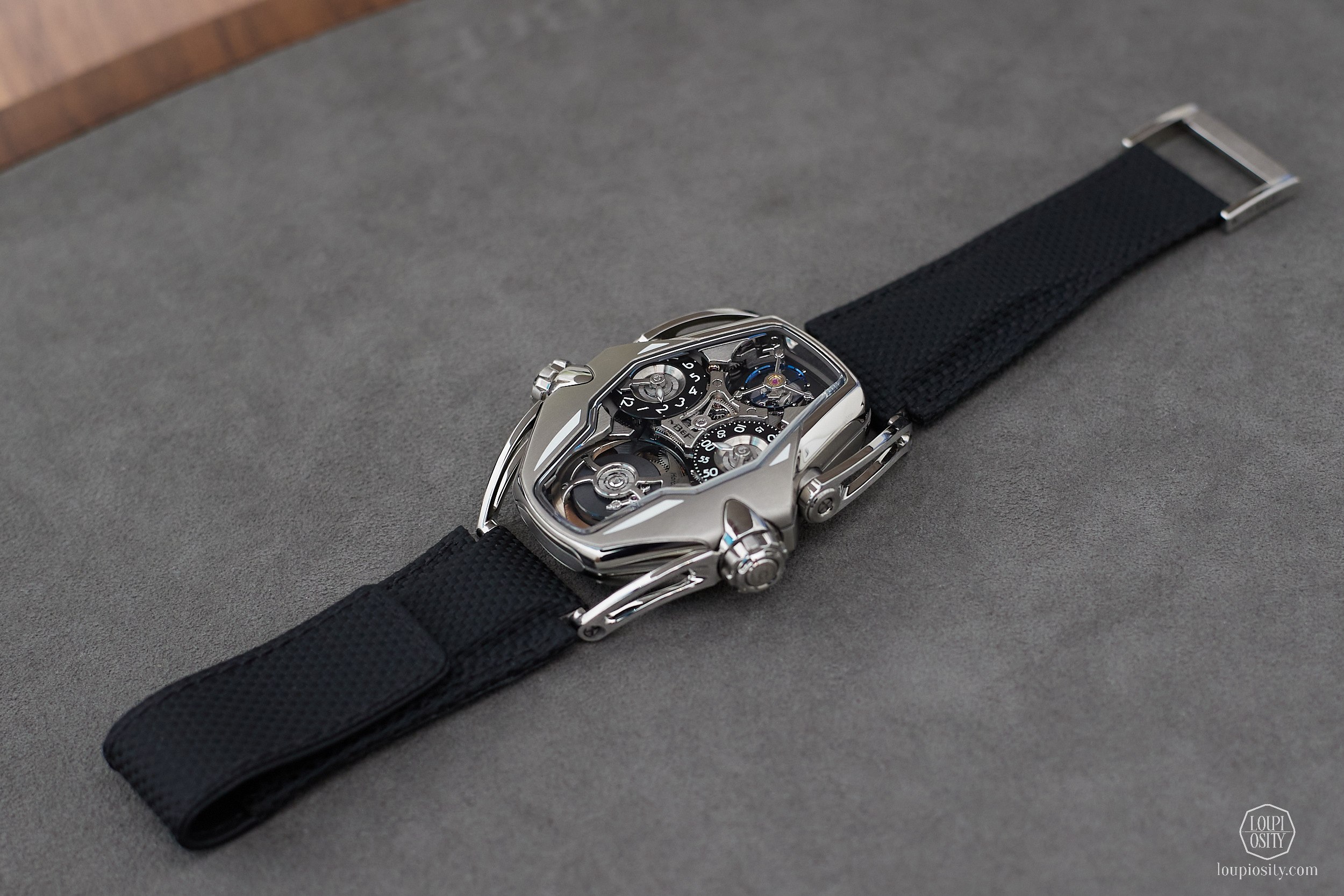
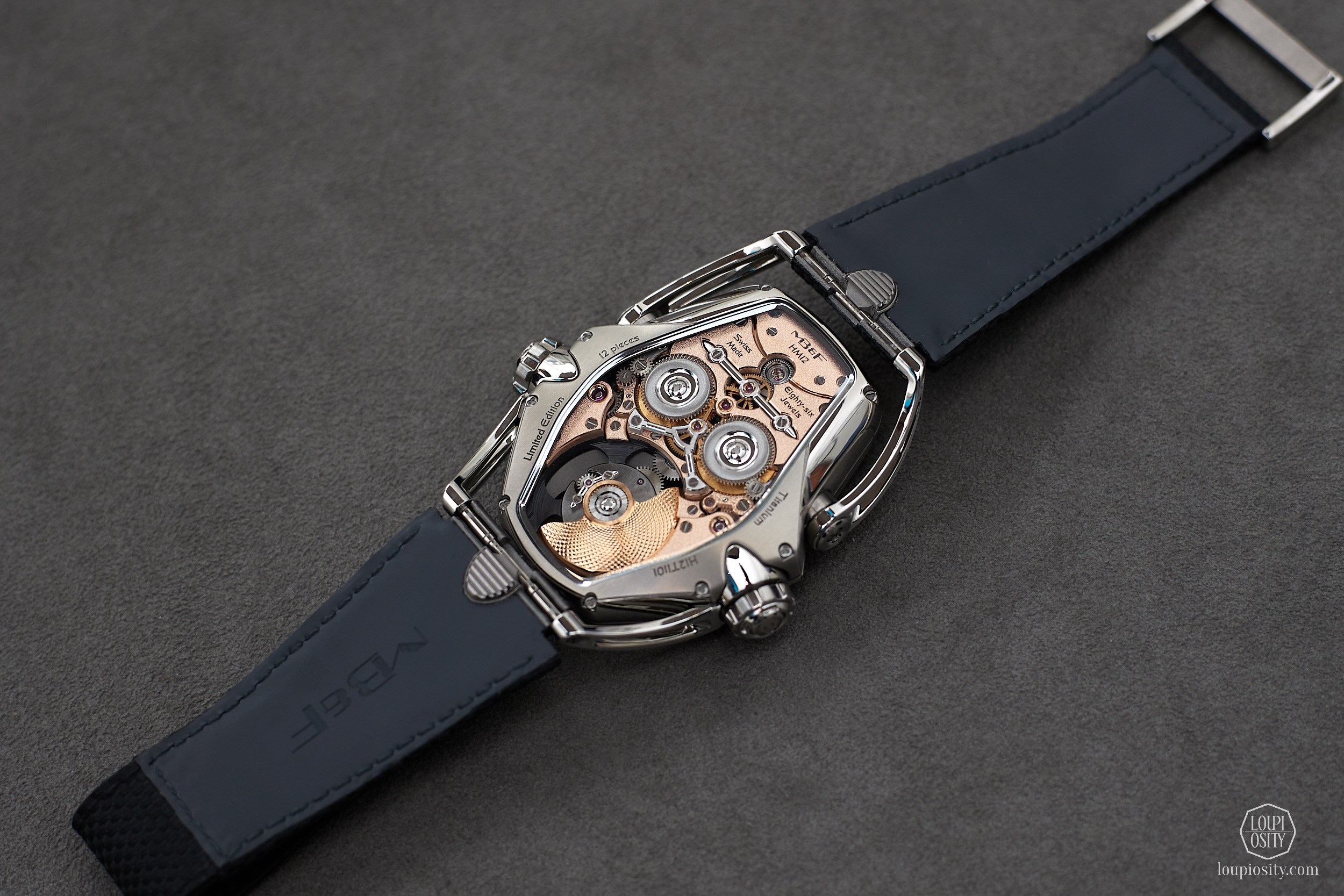
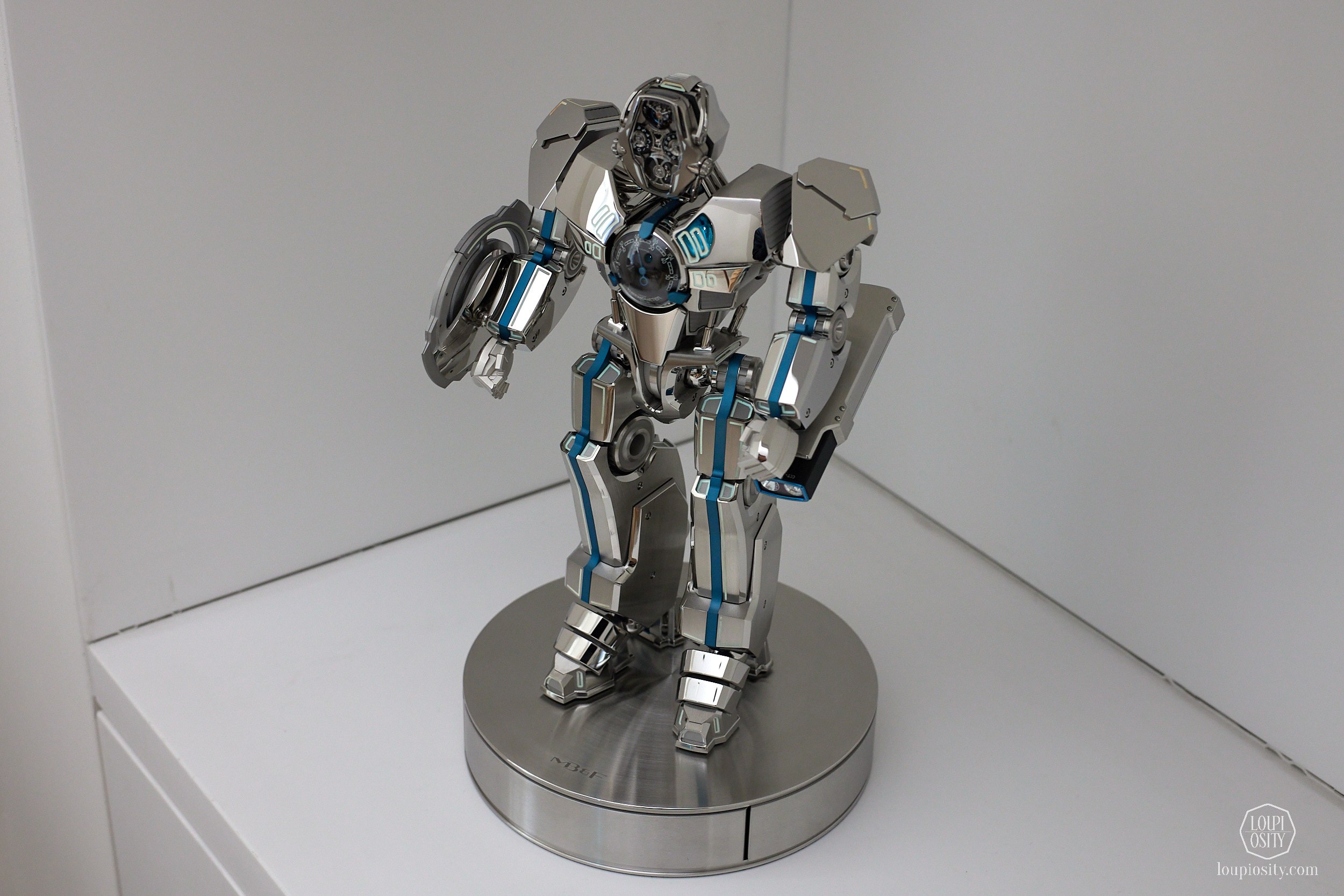

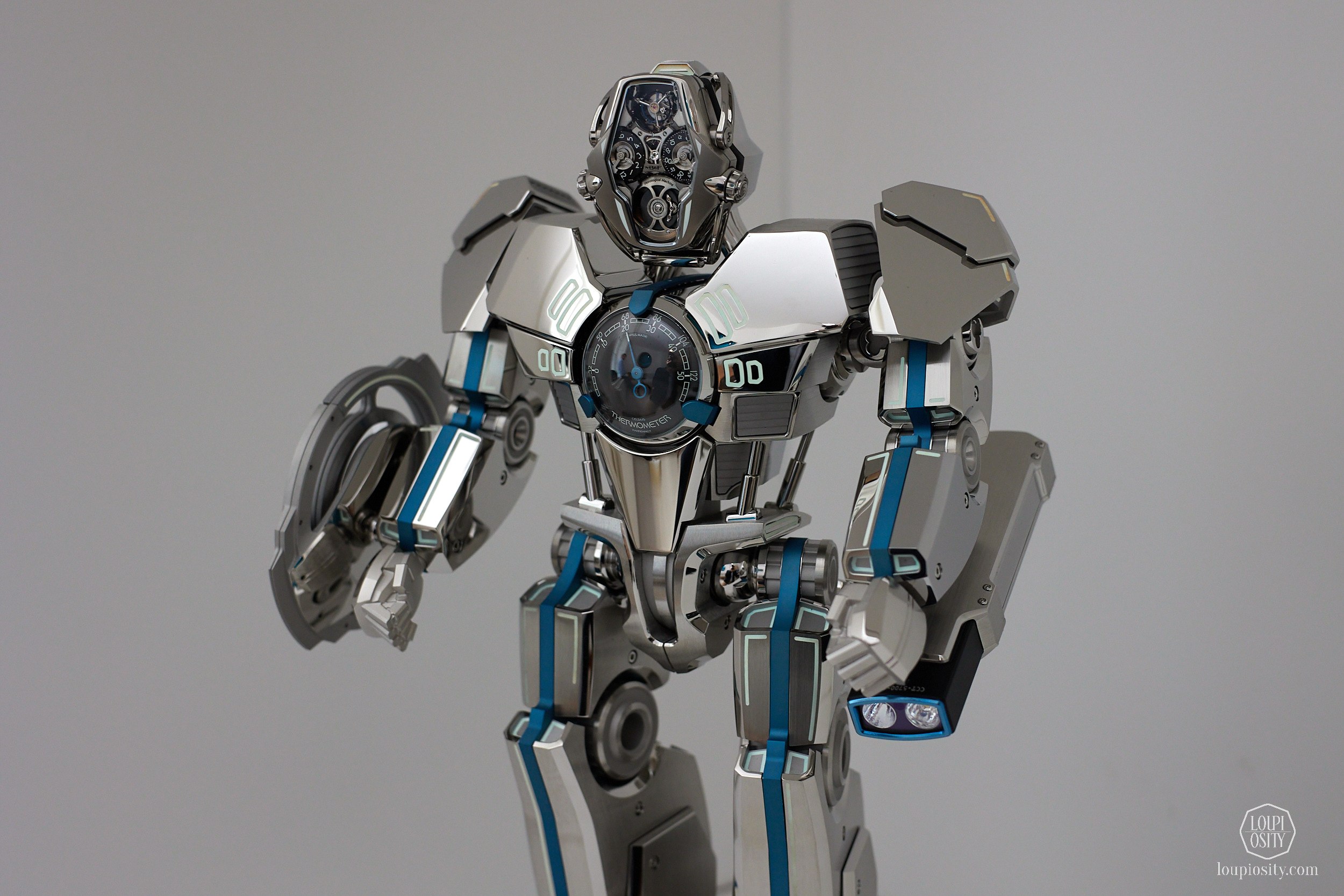
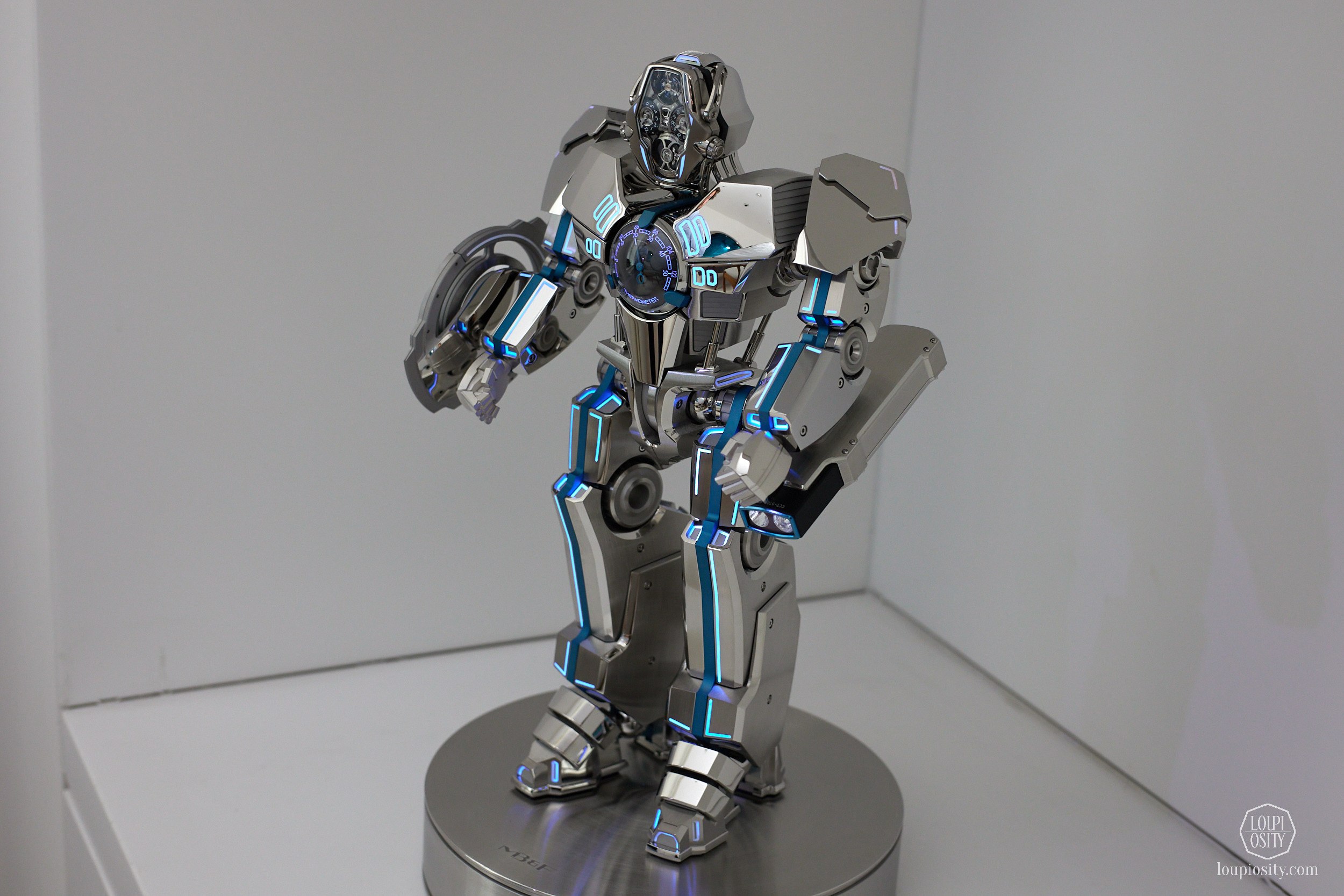
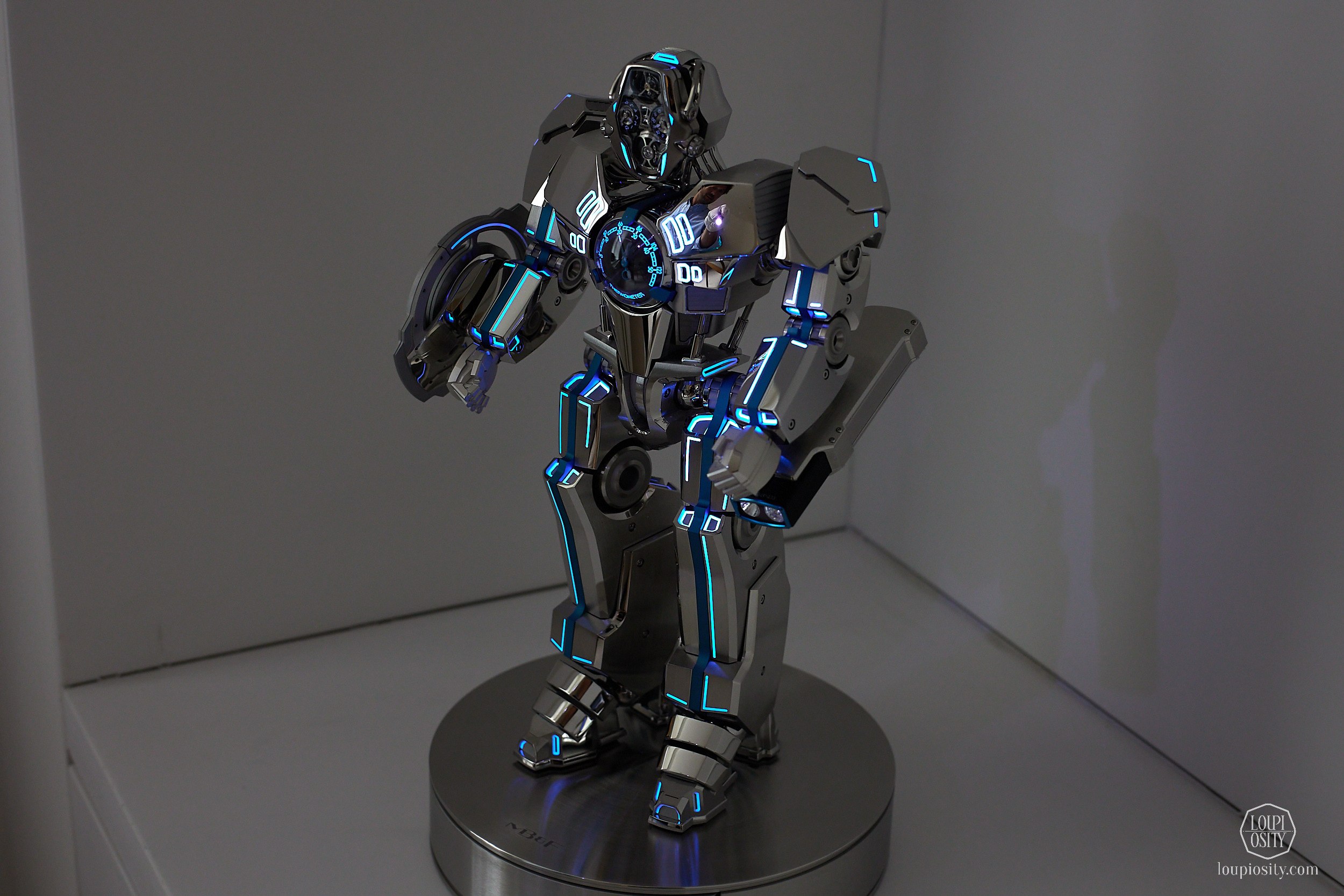
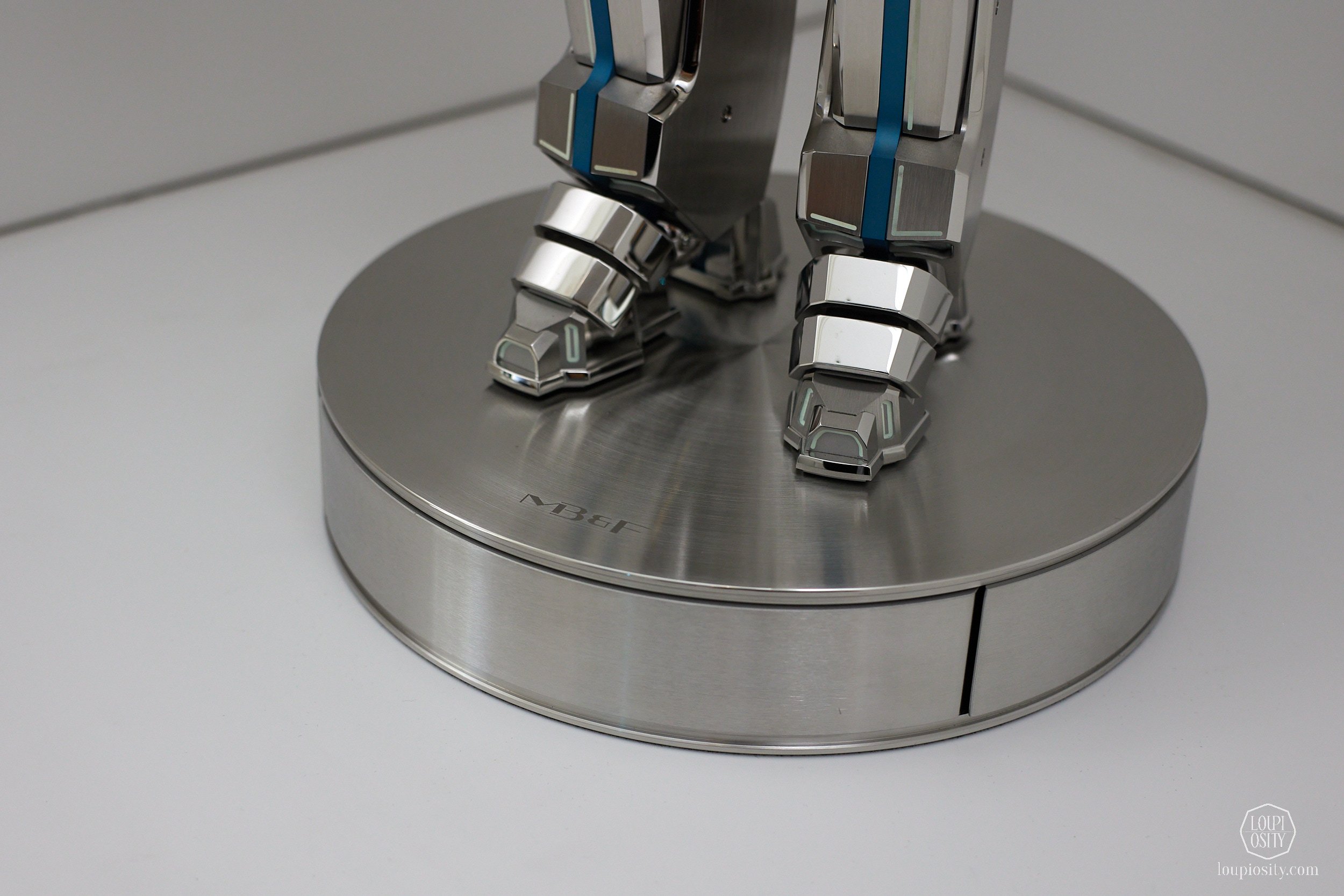
Photo credits: MB&F, Loupiosity.
All registered trademarks are property of their respective owners.
All rights reserved.