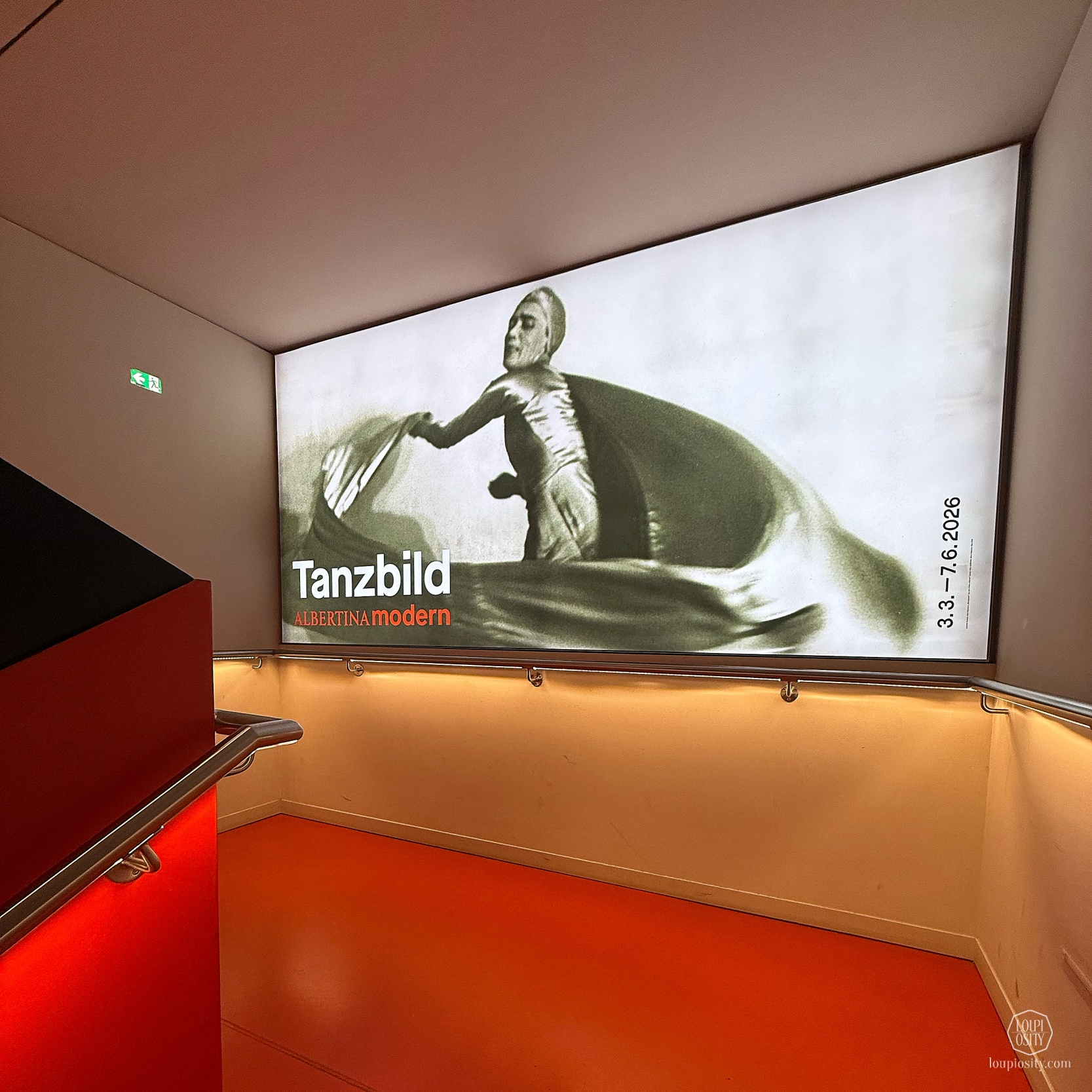
As the Albertina Museum marks its 250th anniversary in 2026, the institution expands its cultural footprint with interesting events throughout the year. ‘Dance Images’ offers the first comprehensive exhibition of dance photography in the museum’s history, tracing movement from 19th-century ballet to the avant-garde.
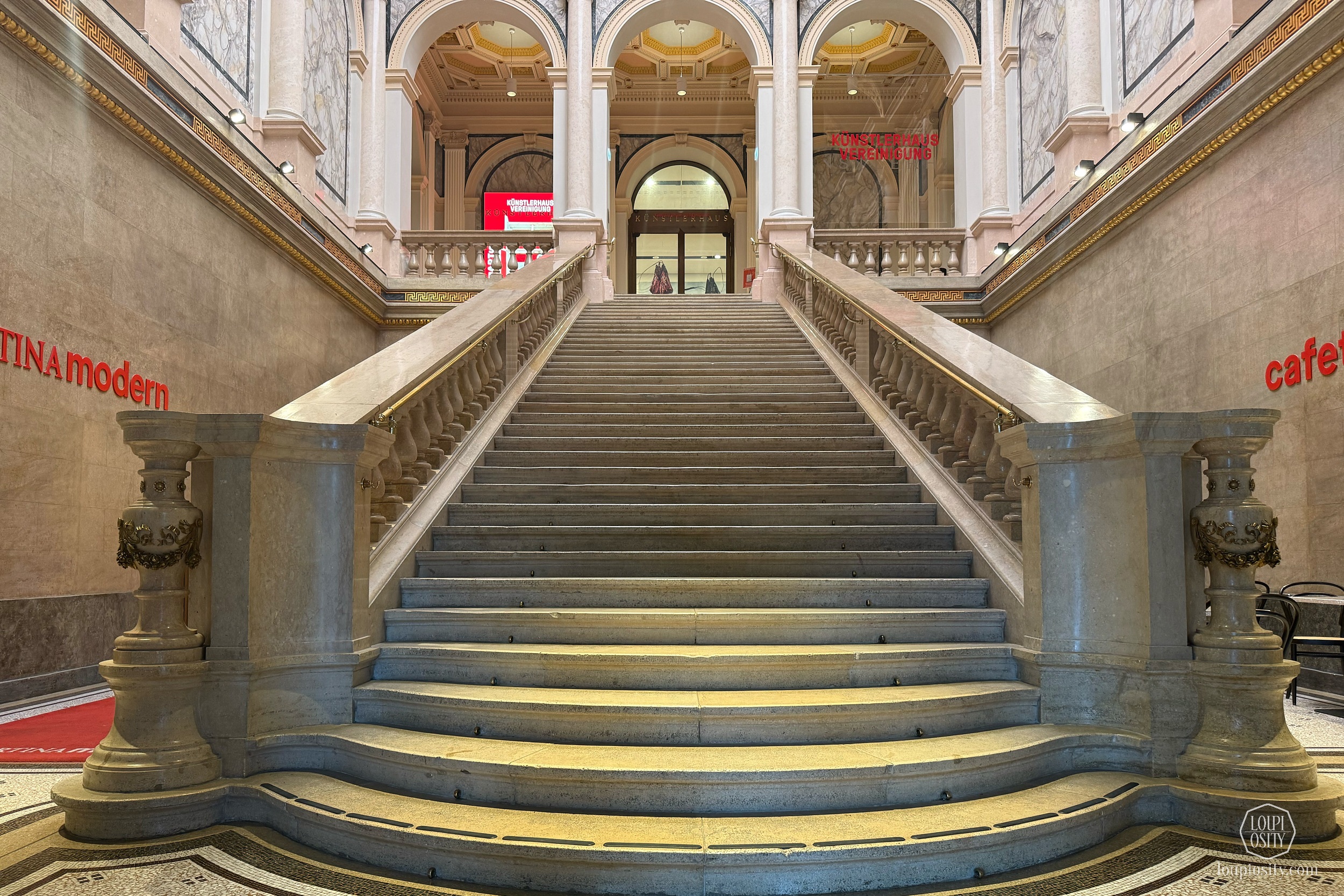
The year 2026 holds particular significance for the Albertina Museum, which celebrates its 250th anniversary. The historic main building on the Hofburg Palace houses one of the most important graphic art collections in the world, with over a million objects. The narrative of the institution has evolved significantly with the establishment of its second venue, Albertina Modern. Opened in March 2020 within the restored historicist shell of the Künstlerhaus on Karlsplatz, Albertina Modern was conceived to address a gap in Austria’s museum landscape: the dedicated presentation of art from the present and recent past.
The Albertina Klosterneuburg is a contemporary art gallery located in the town of Klosterneuburg, Austria. It is a branch of the Albertina gallery in Vienna and opened in April 2024.
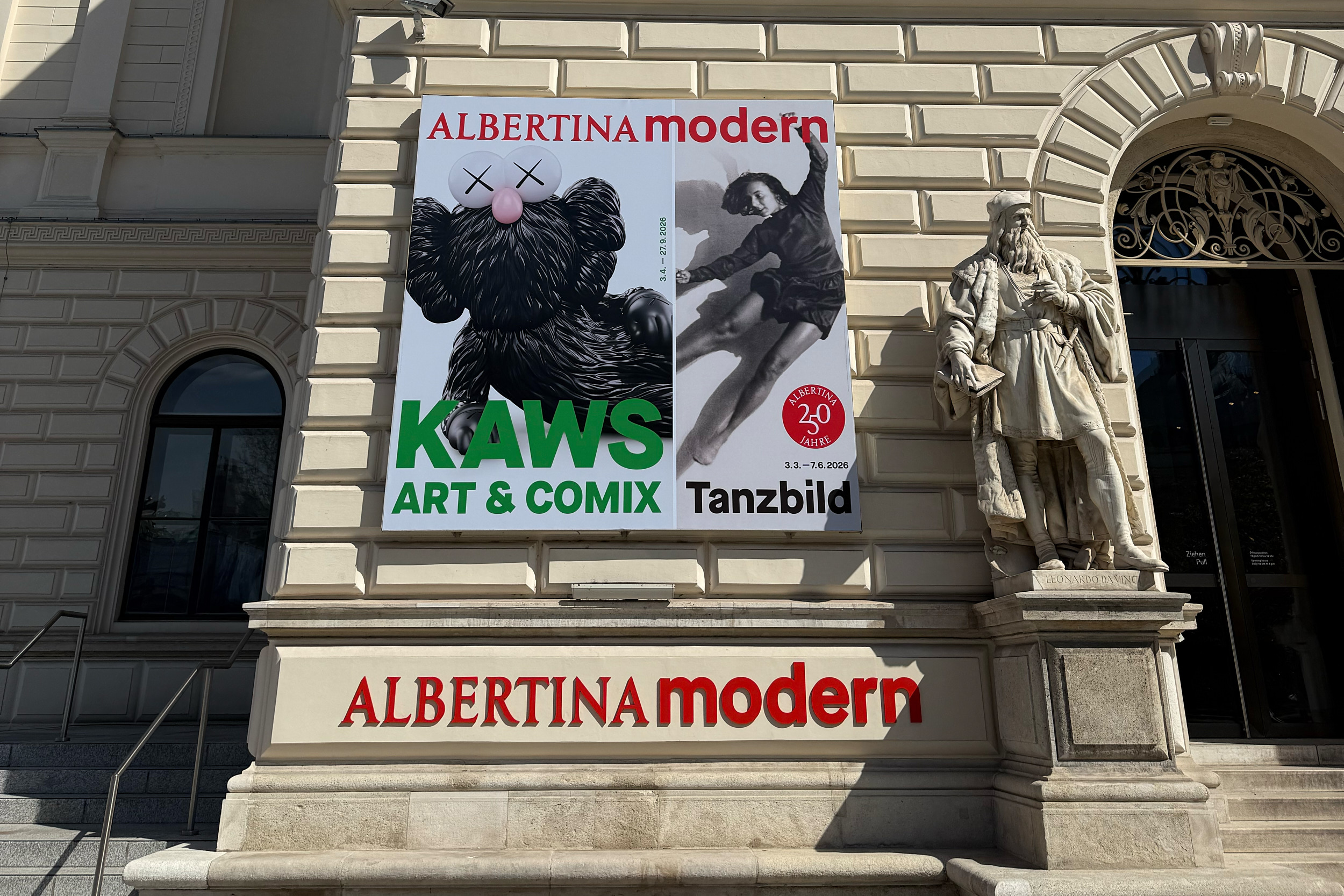
Albertina Modern
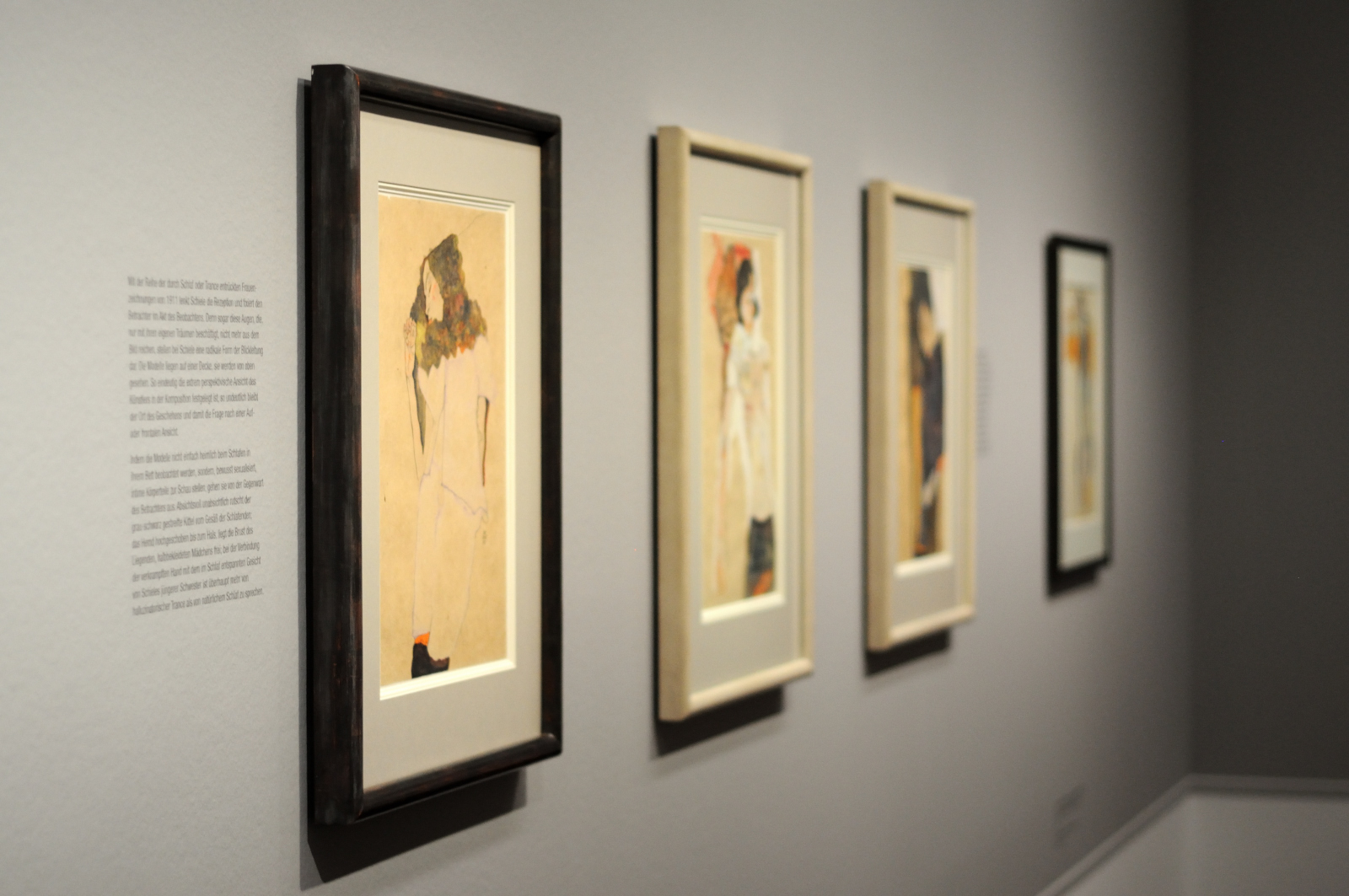
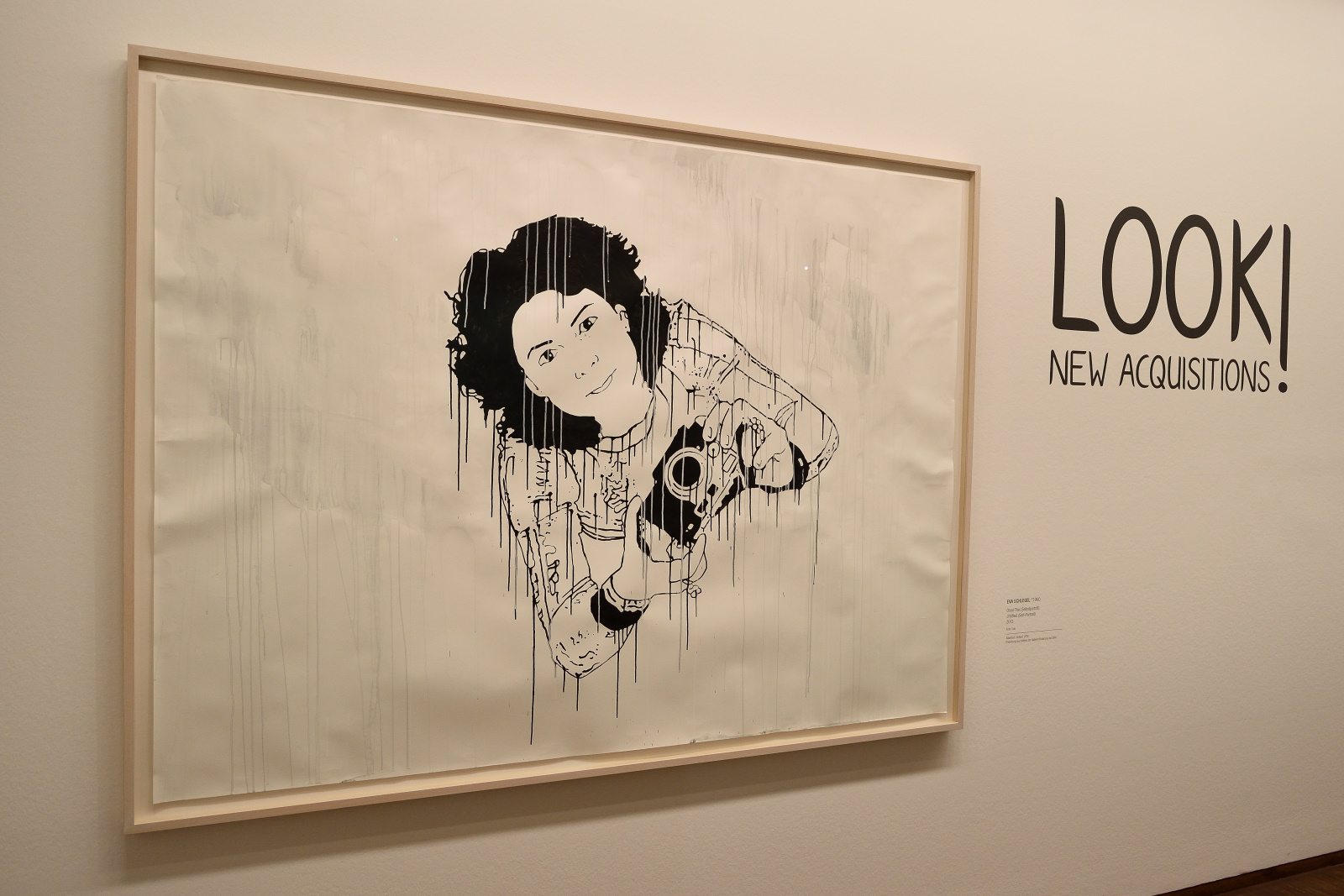
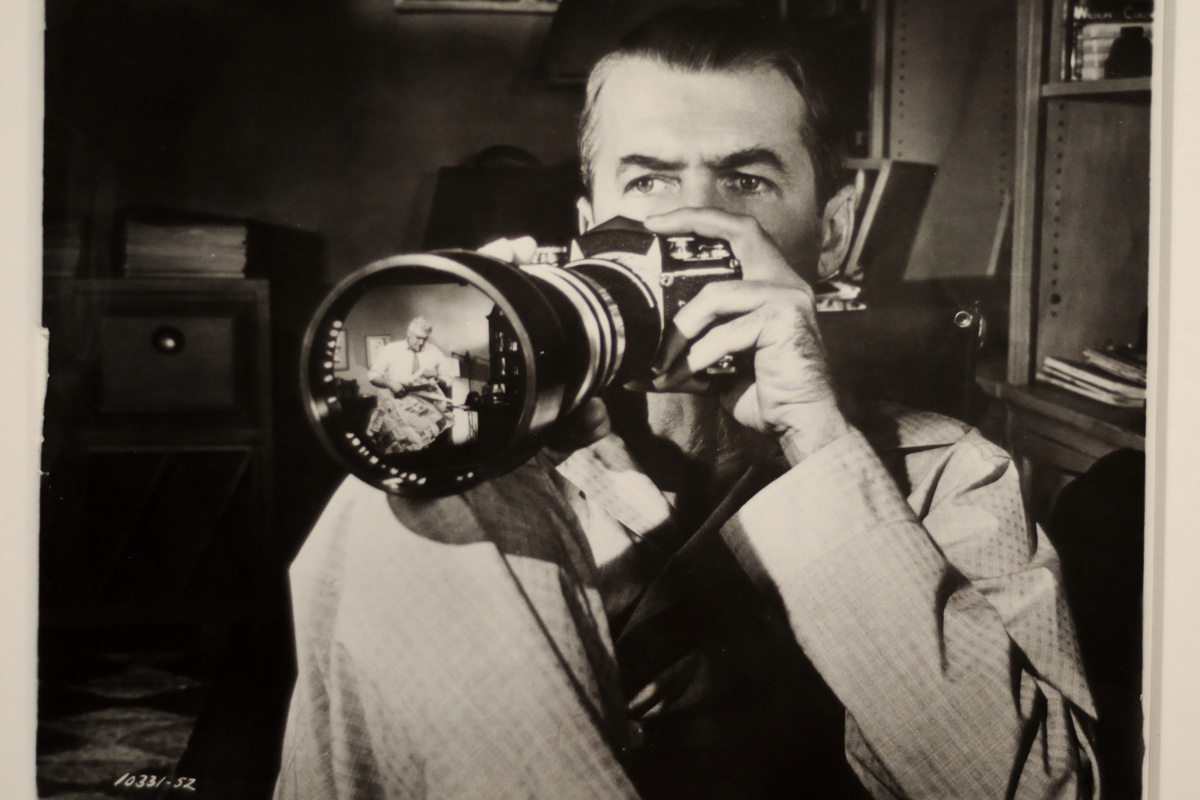
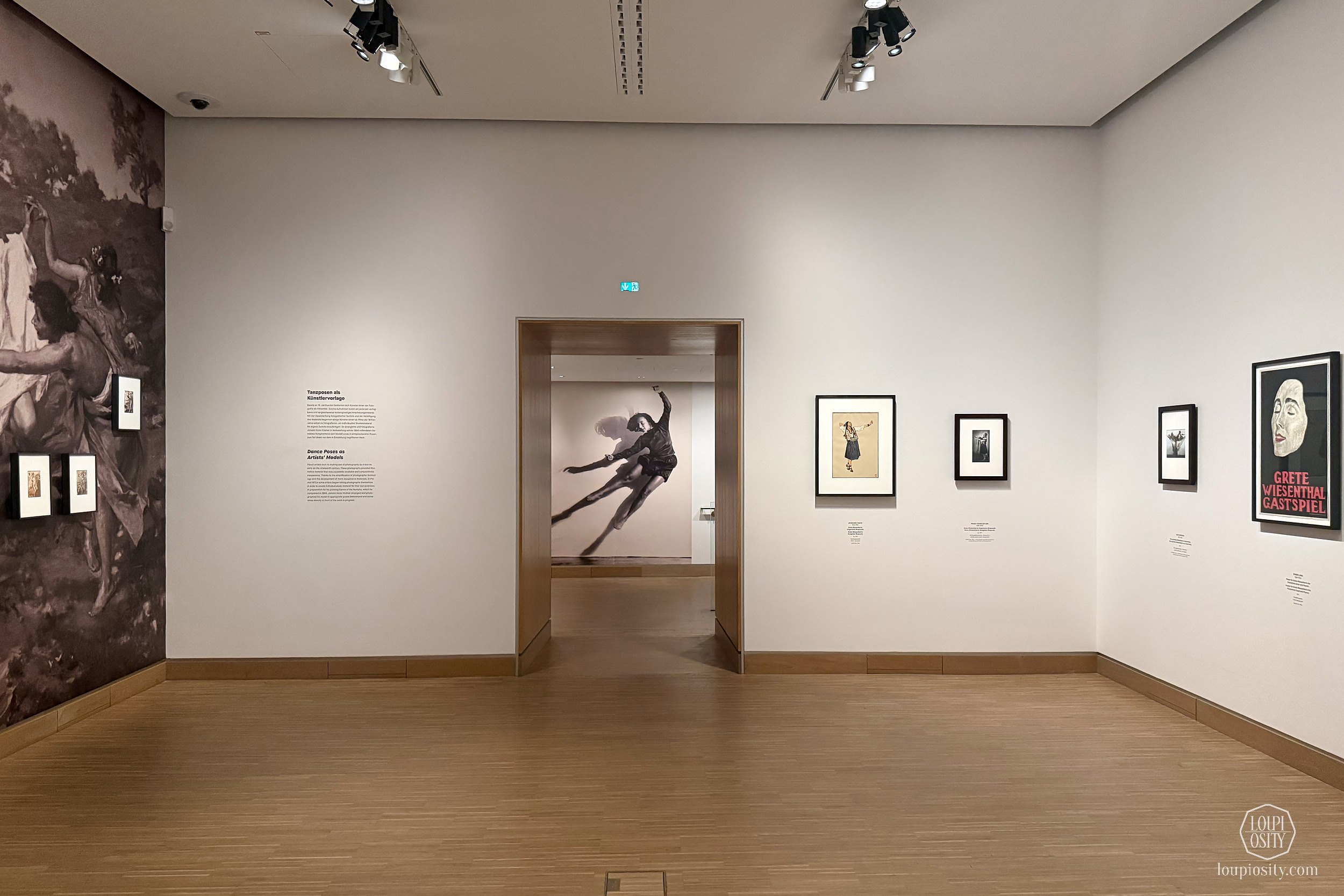
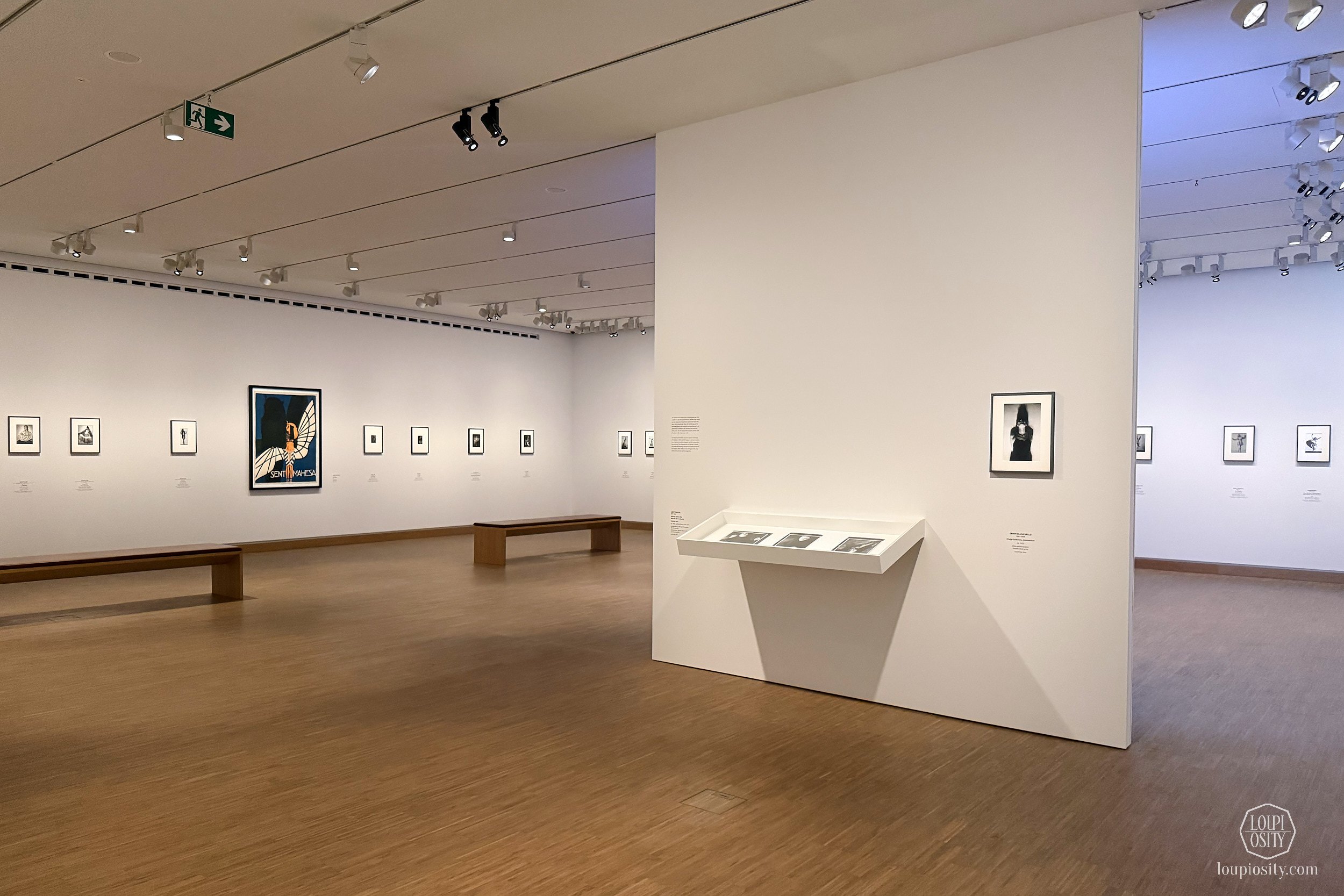
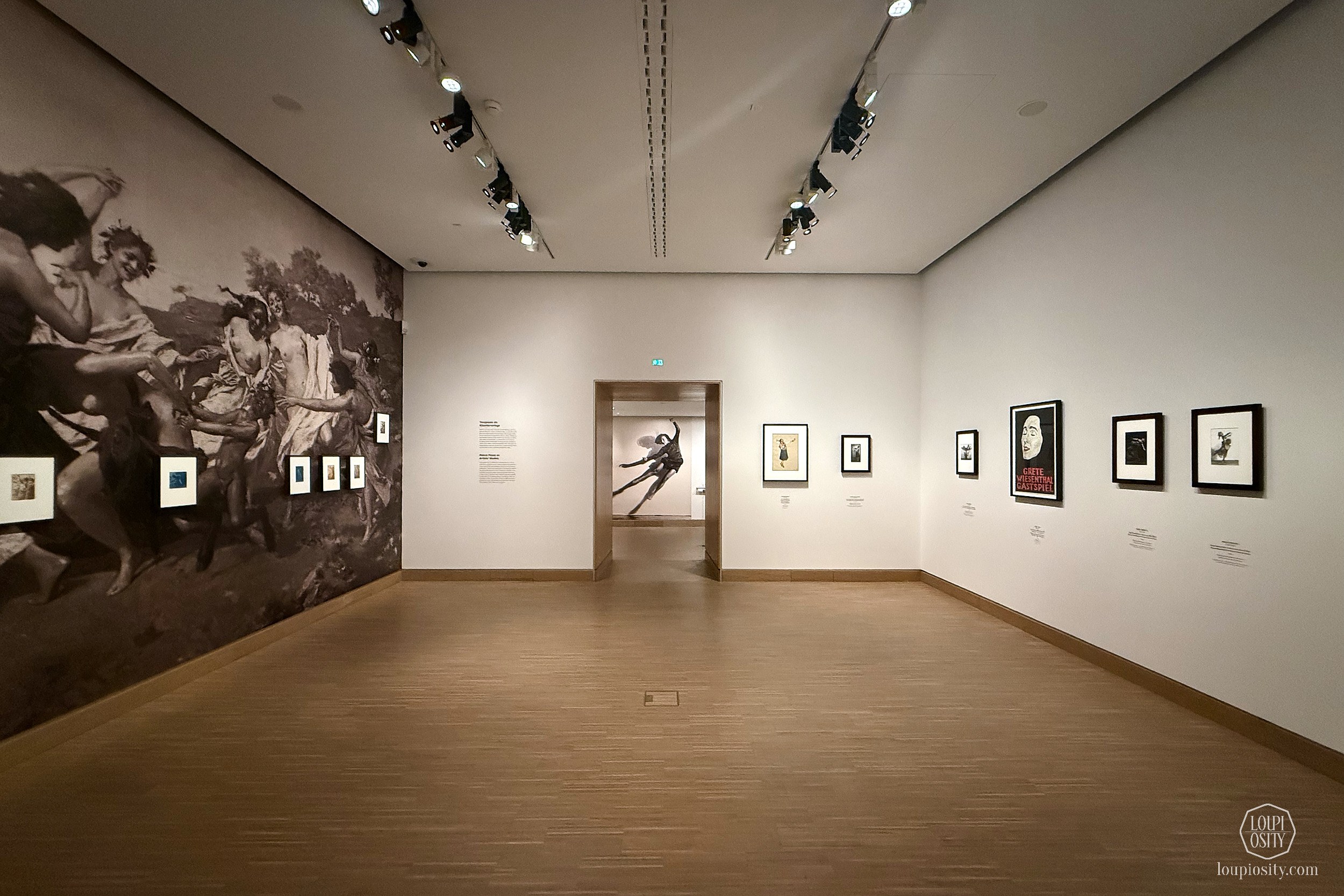
Through the ‘Albertina Creators Hub’ initiative we had the chance to visit the ‘Dance Images’ exhibition at Albert Modern with an introduction by curator Astrid Mahler.
The founding of the second exhibiting venue was driven by a collaboration between Klaus Albrecht Schröder, Director General of the Albertina Museum, and Hans Peter Haselsteiner (Austrian industrialist and former CEO of Strabag). Their shared vision was to preserve and showcase the Essl Collection alongside the Albertina’s own holdings, creating a space that could accommodate over 60,000 works by 5,000 artists. The renovation of the Künstlerhaus, originally gifted to Vienna’s artists by Emperor Franz Joseph in 1865, was a monumental task. It involved restoring original wall paintings and terrazzo flooring while integrating modern museological standards for climate control and security.
This multiple-venue structure allows the Albertina to bridge centuries of artistic expression. While the main palace focuses on Old Masters, Impressionism and Post-Impressionism and graphic arts, Albertina Modern serves as a dynamic platform for contemporary discourse, hosting major retrospectives and thematic exhibitions.
The museum’s commitment to this modern sector was further solidified by the integration of the Jablonka Collection, one of the most high-profile collections of US and German art of the 1980s.
‘Dance Images’: A Visual Symphony of Movement
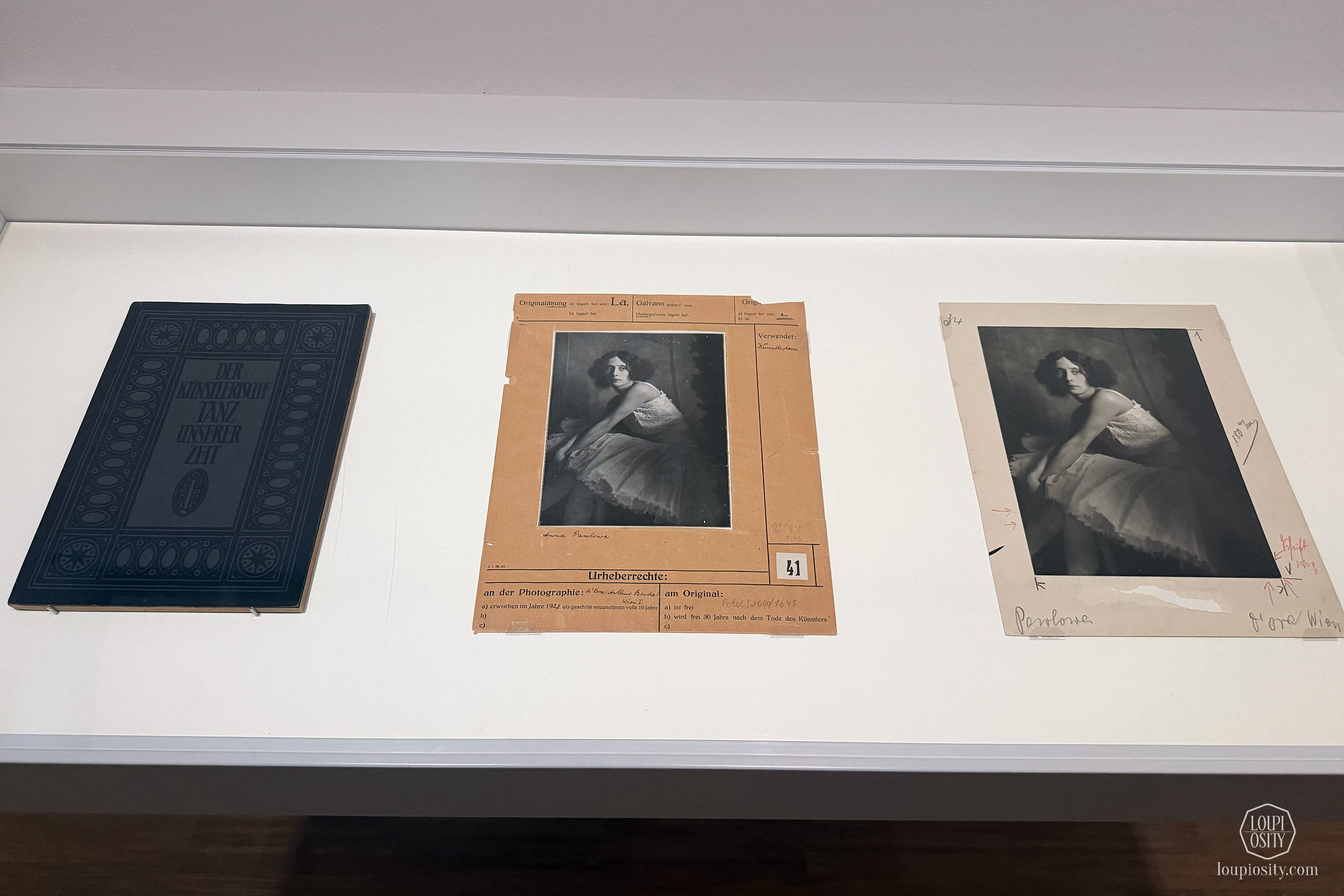
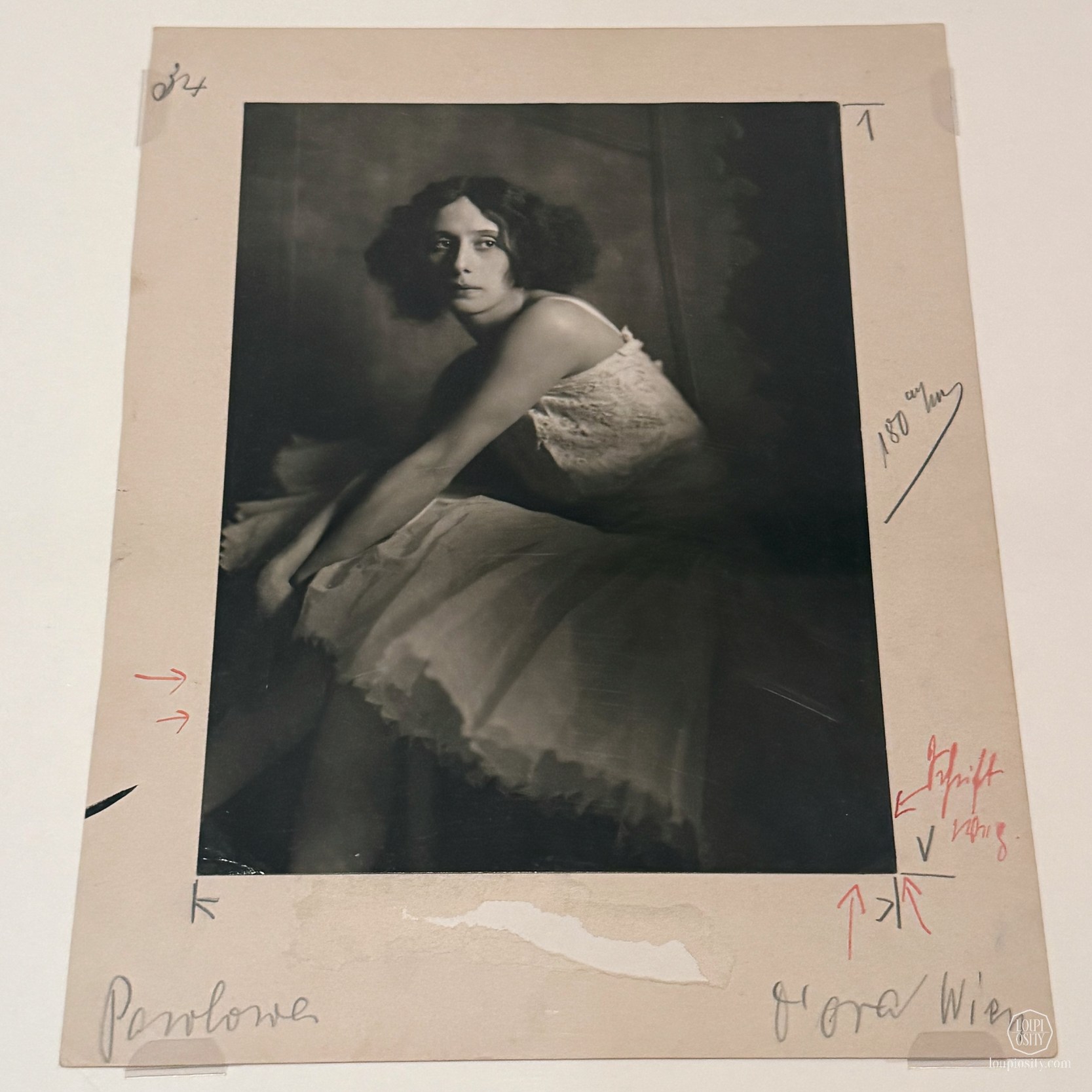
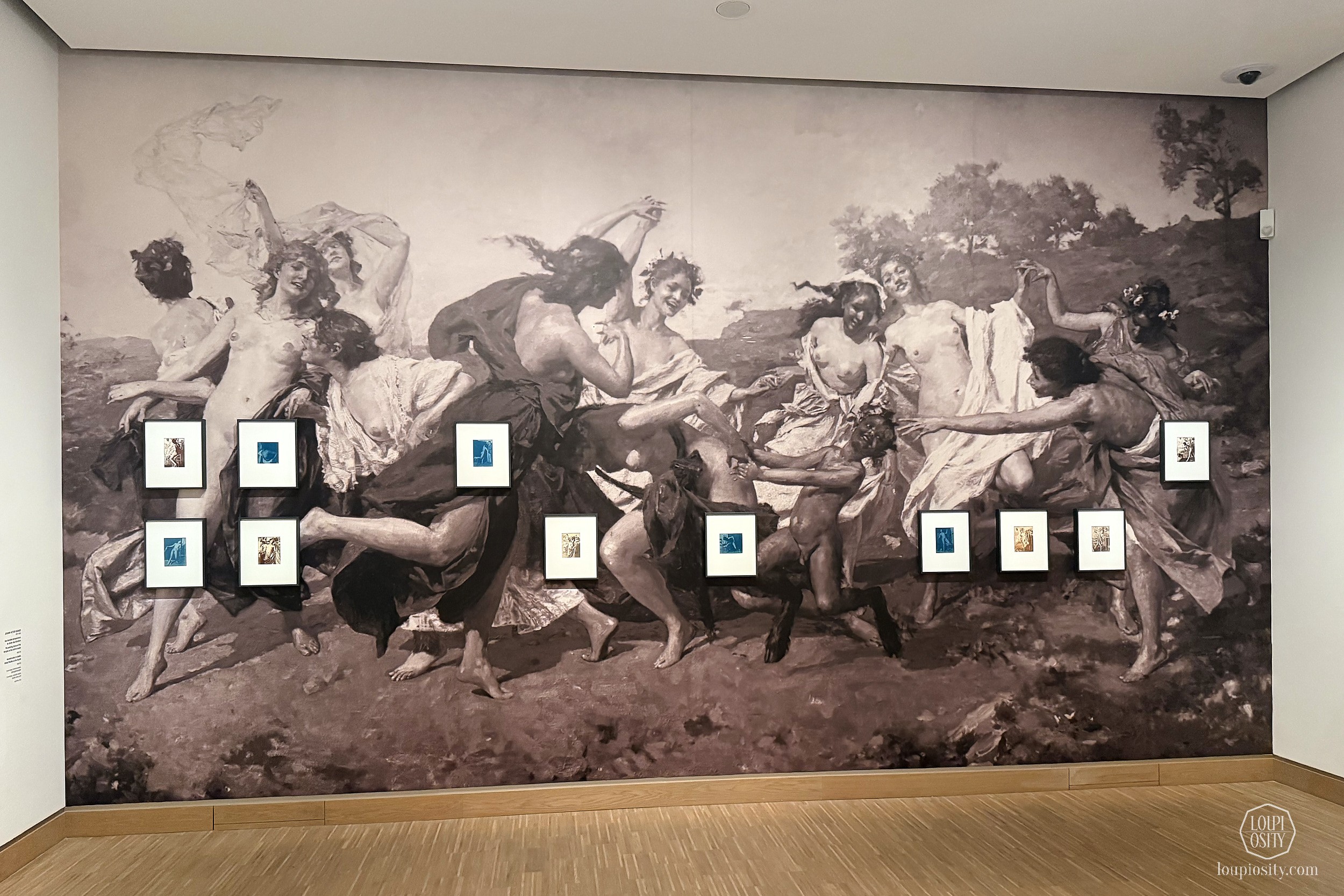
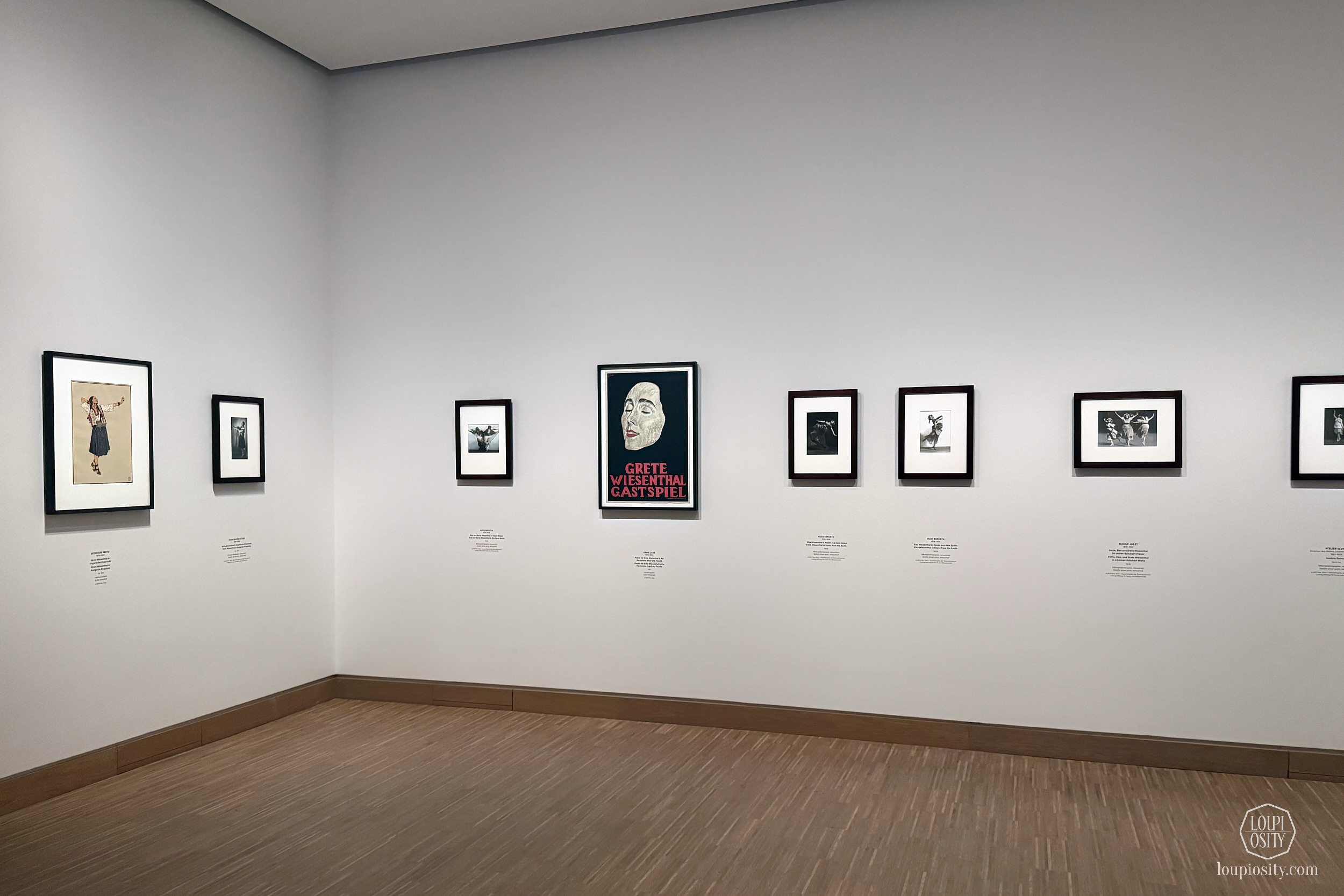
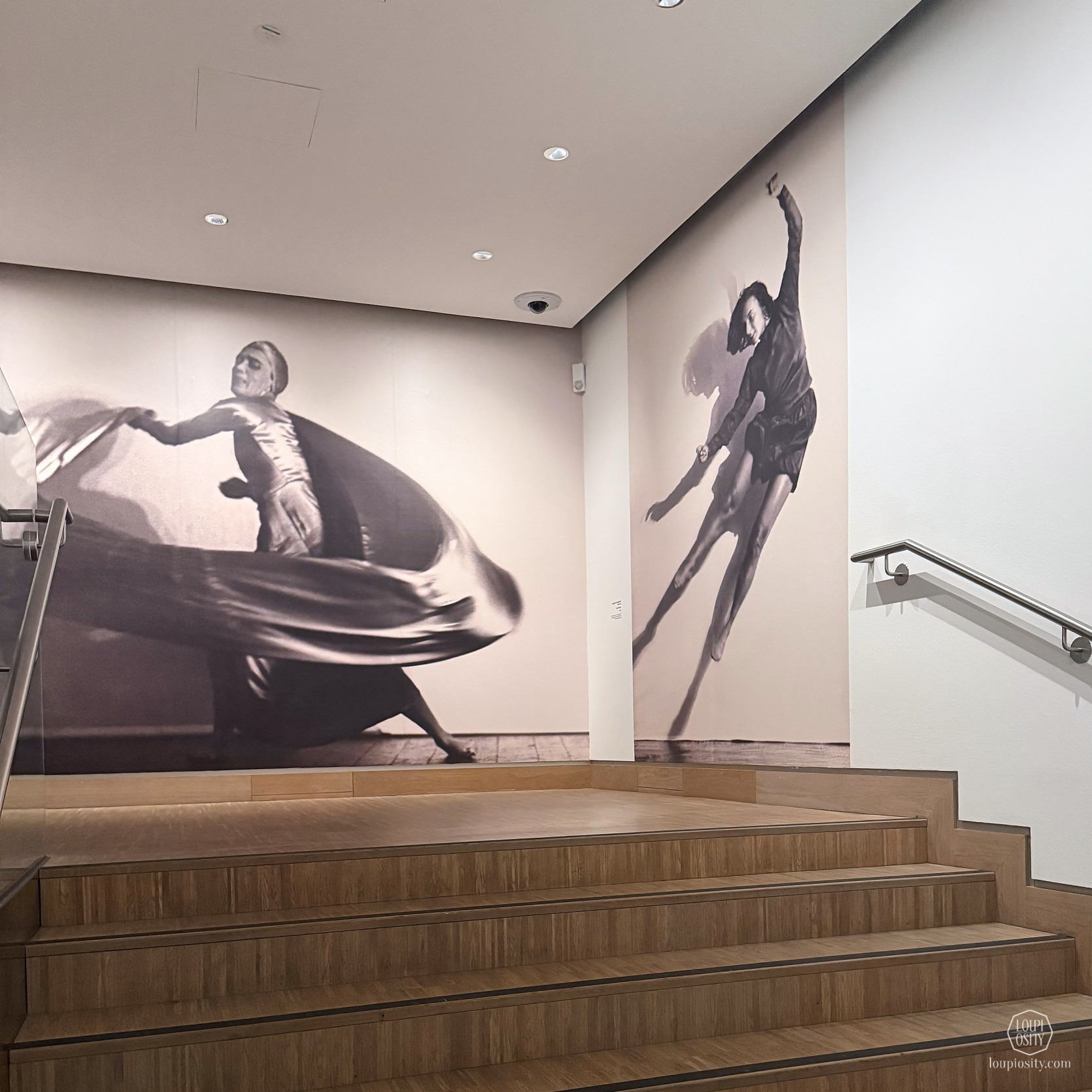
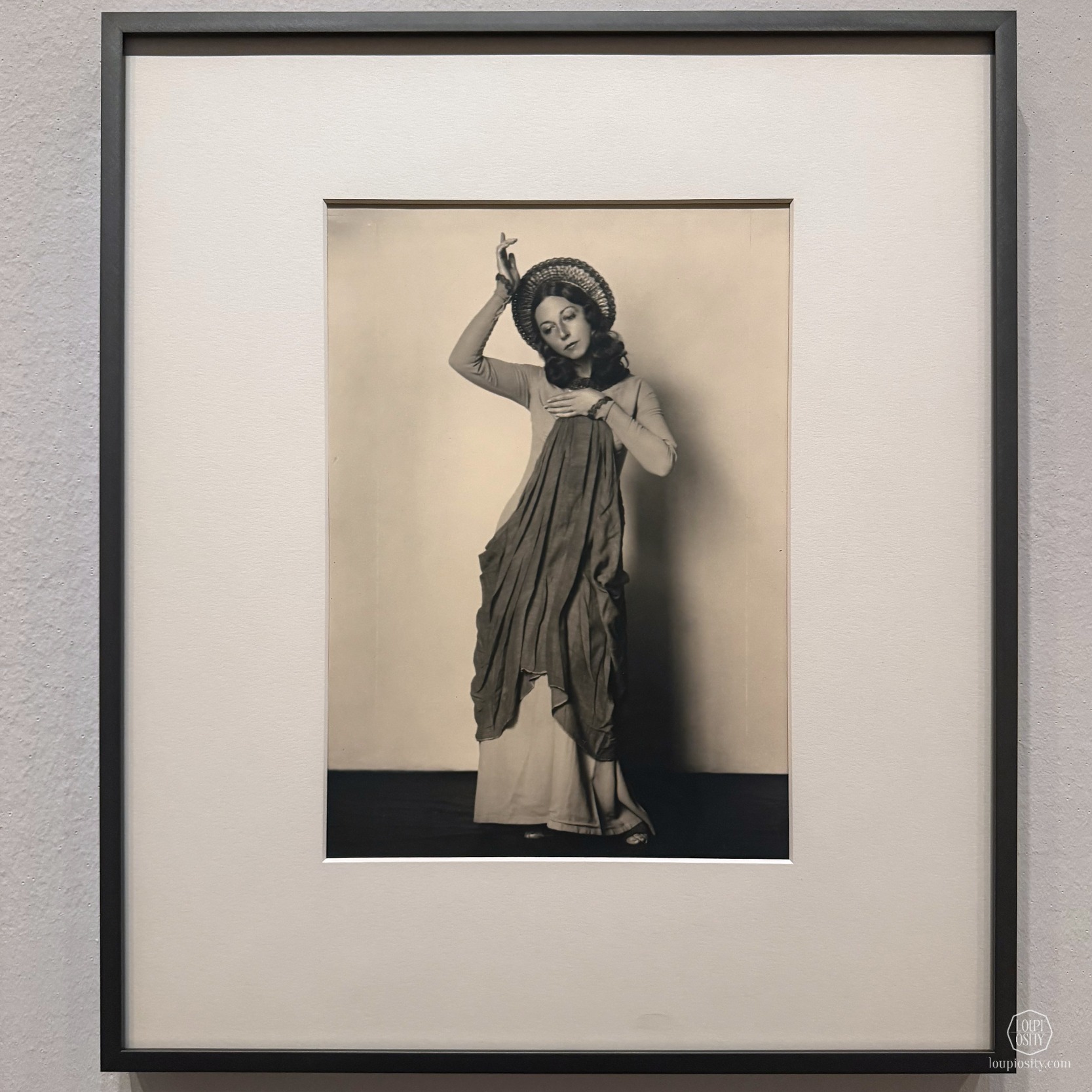
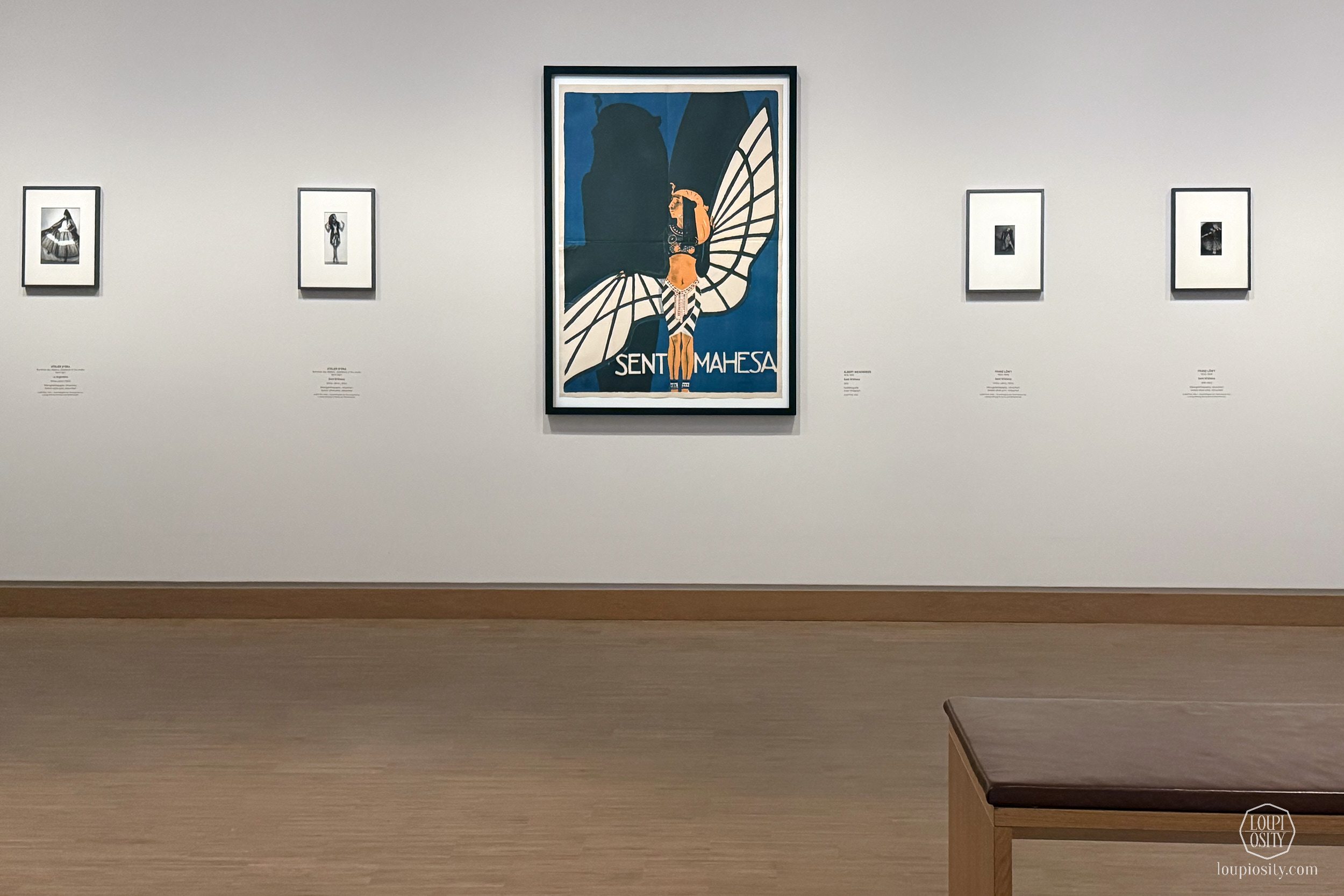
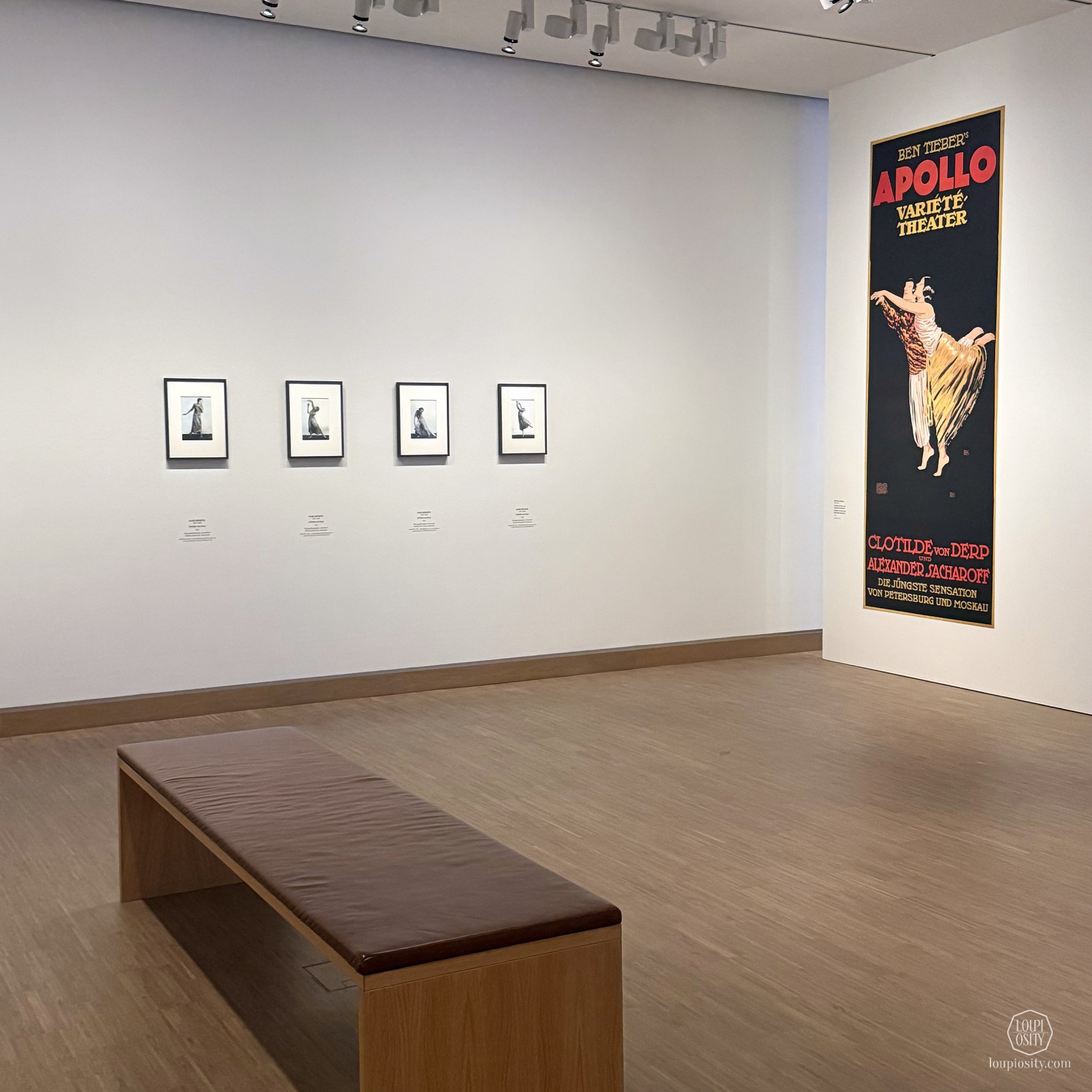
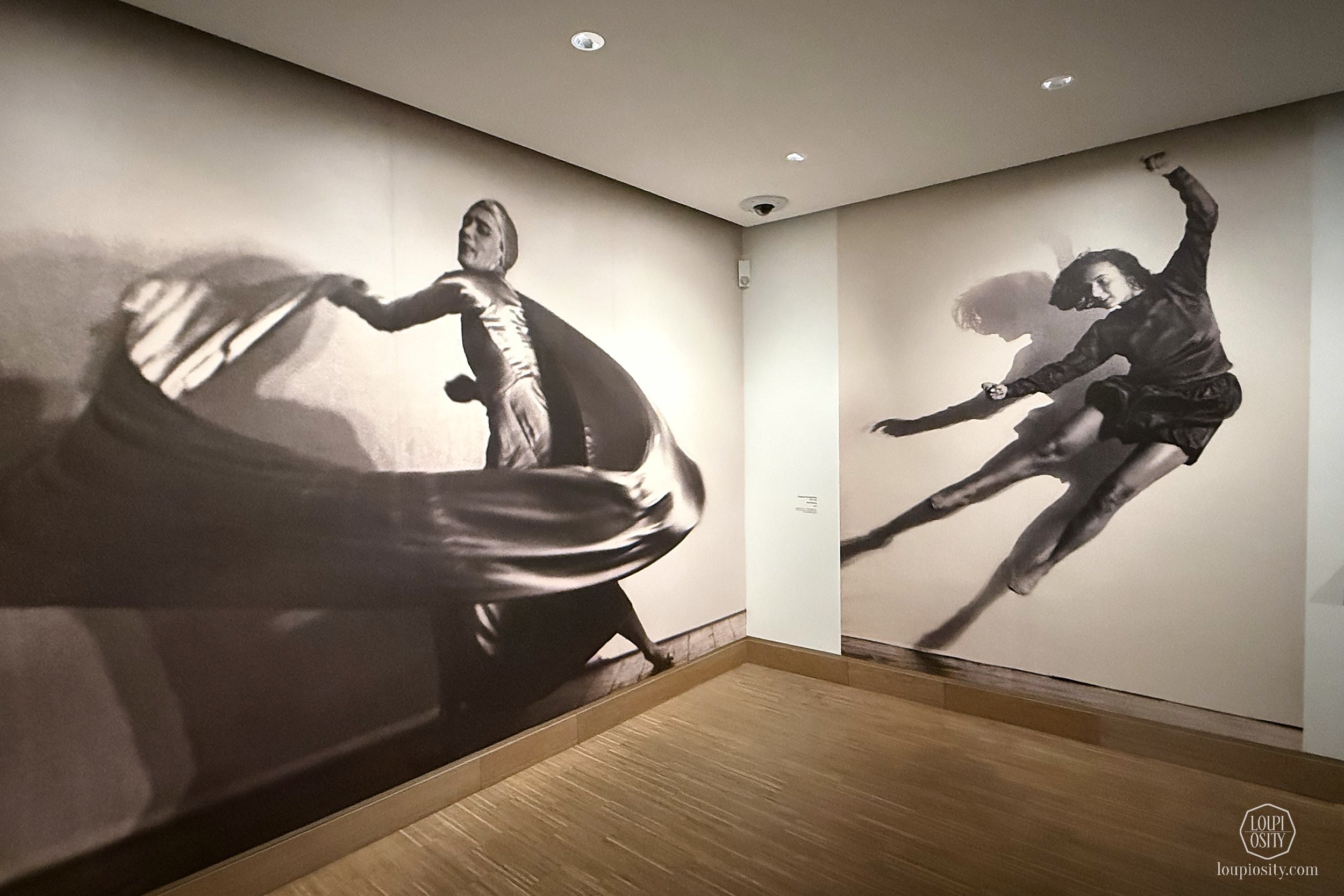
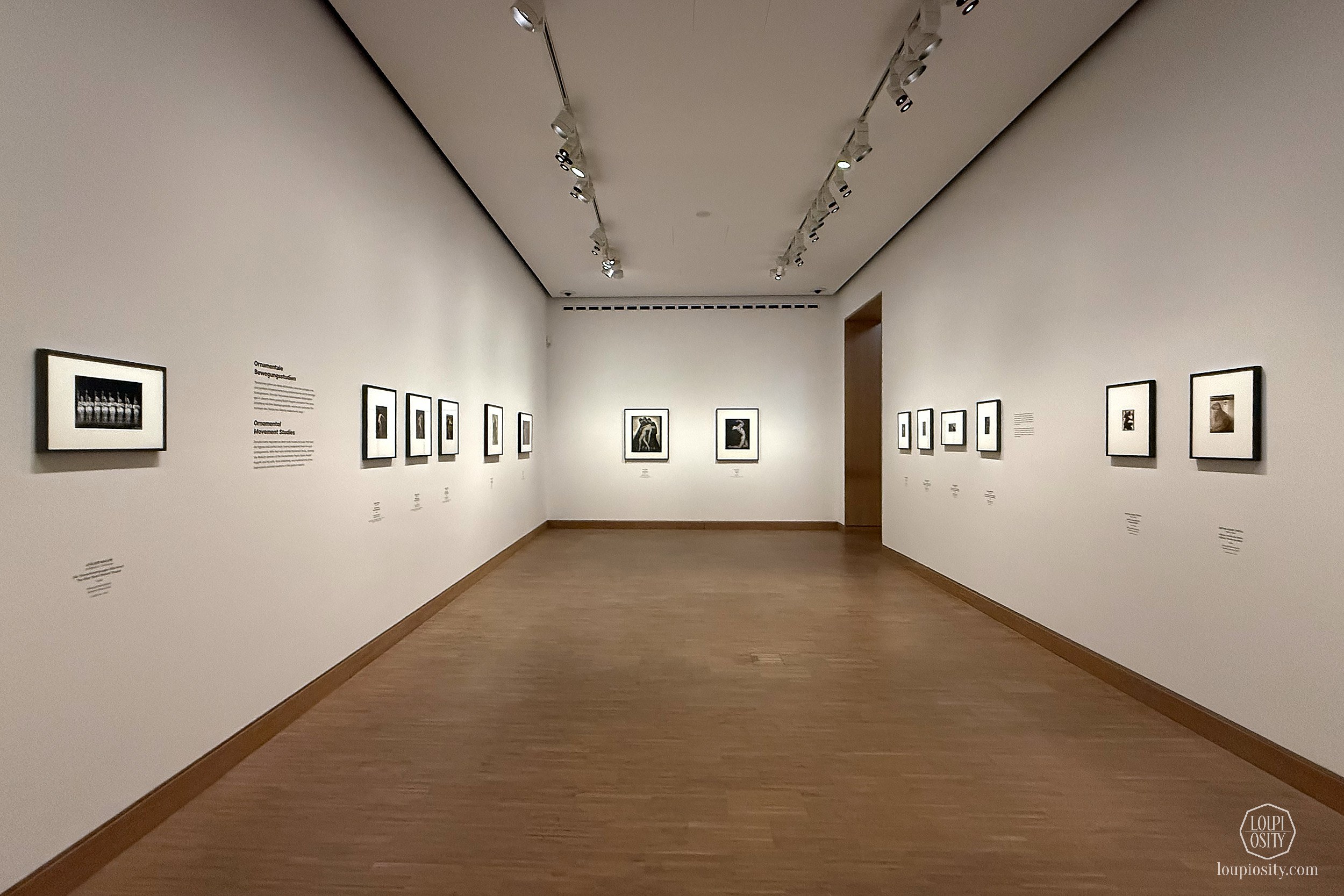
Against the backdrop of the 250th-anniversary celebration, Albertina Modern presents an exhibition dedicated solely to the theme of dance. Curated by Astrid Mahler, the exhibition until 7 June, 2026, and draws exclusively from the museum’s own extensive photographic holdings.
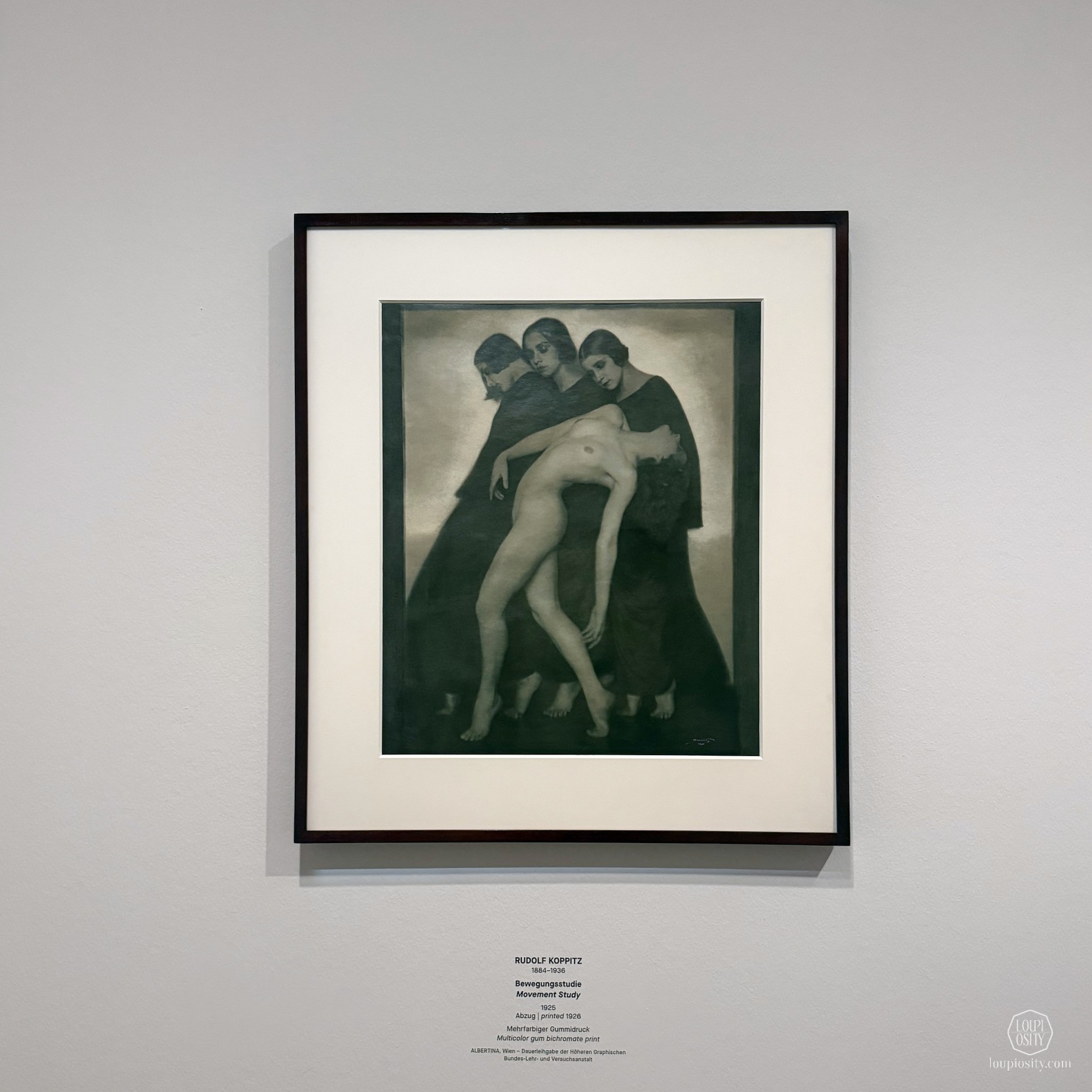
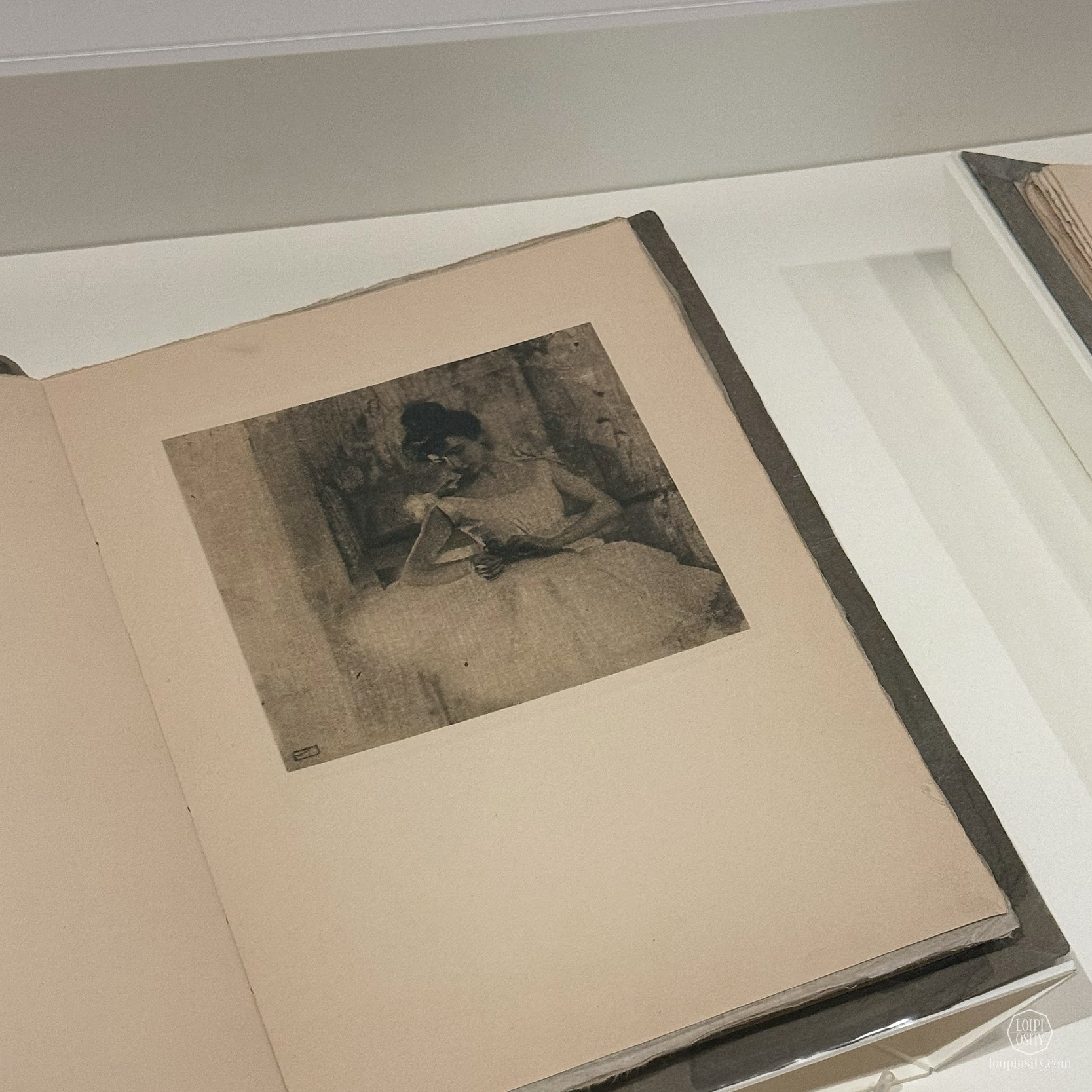
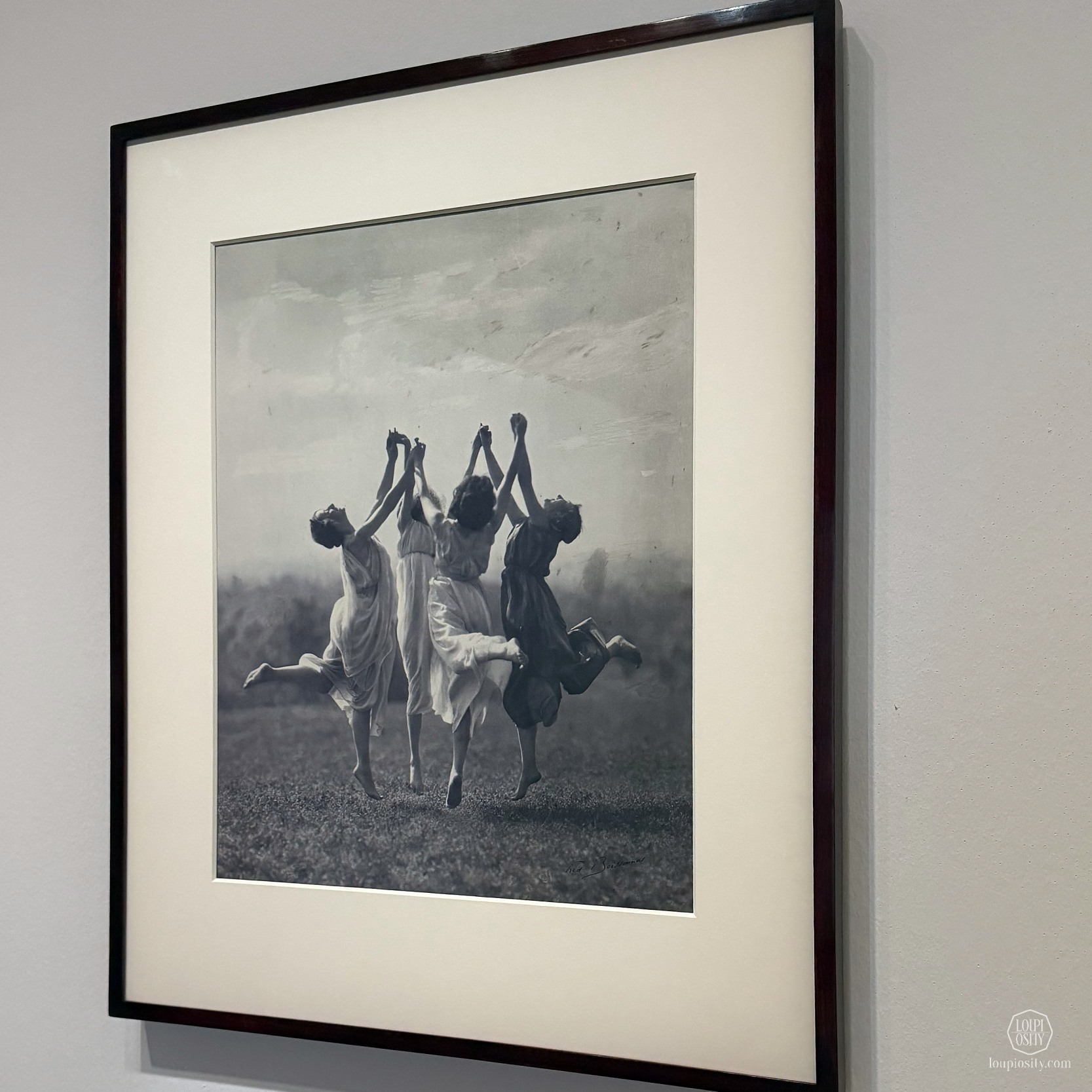
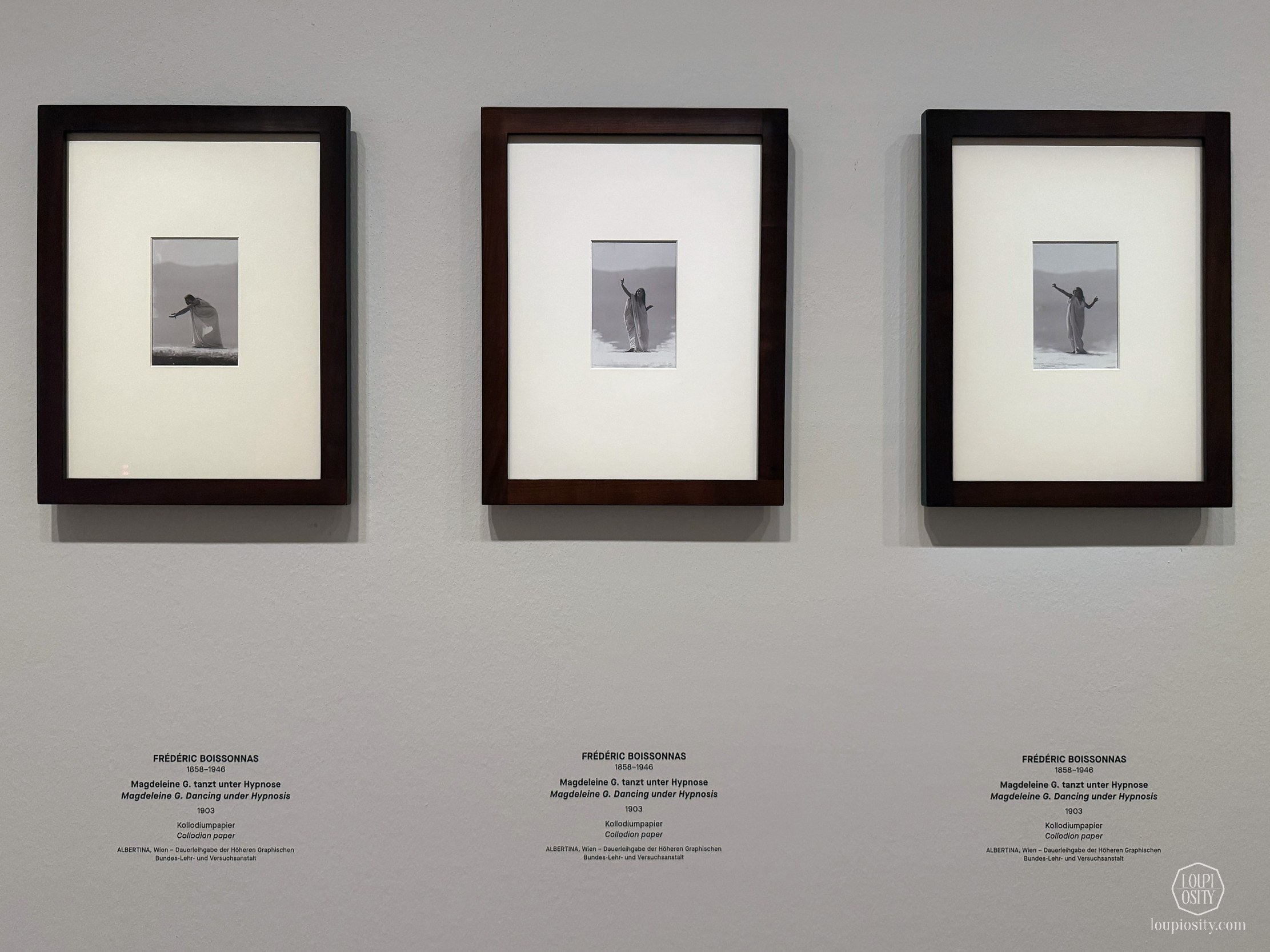
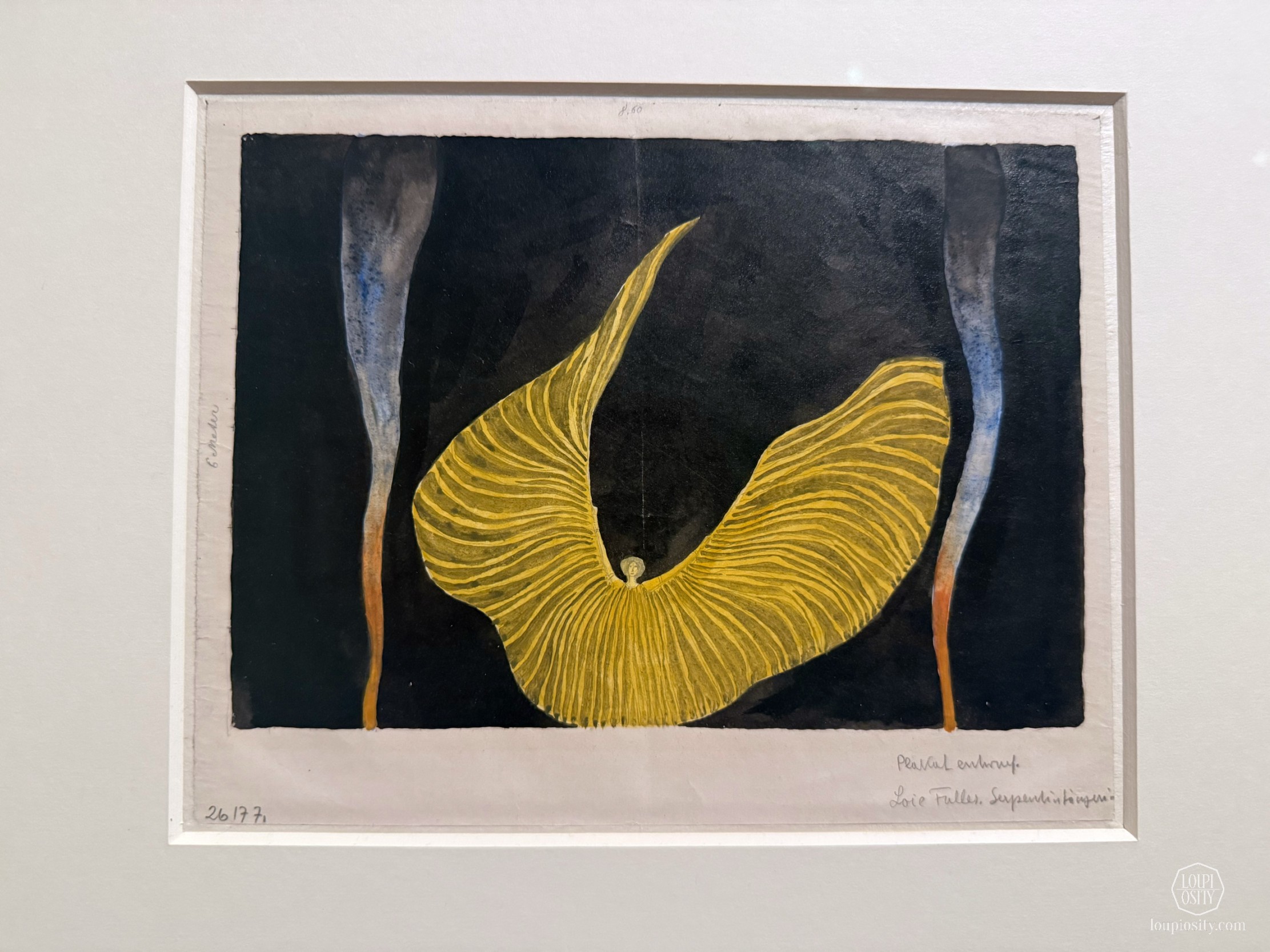
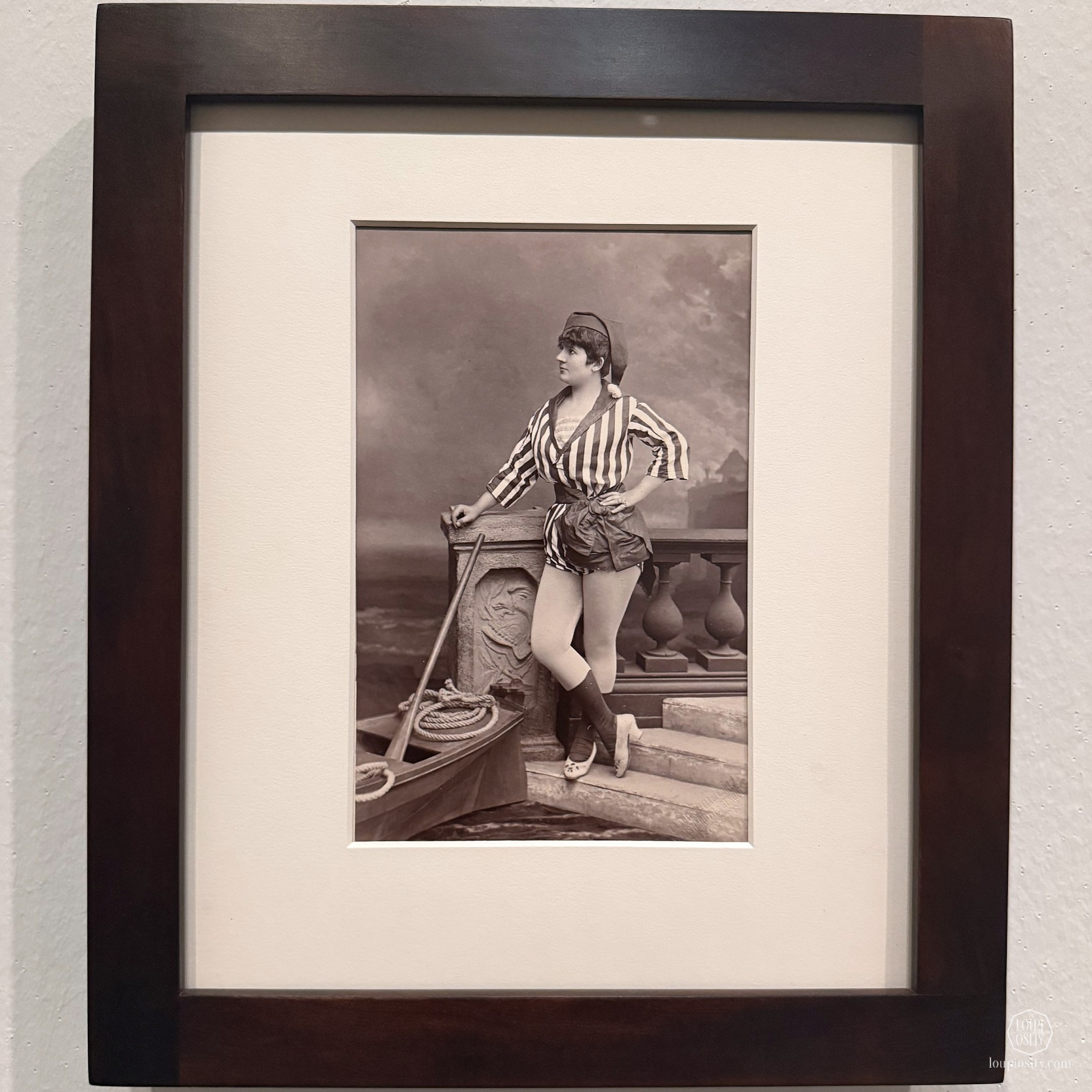
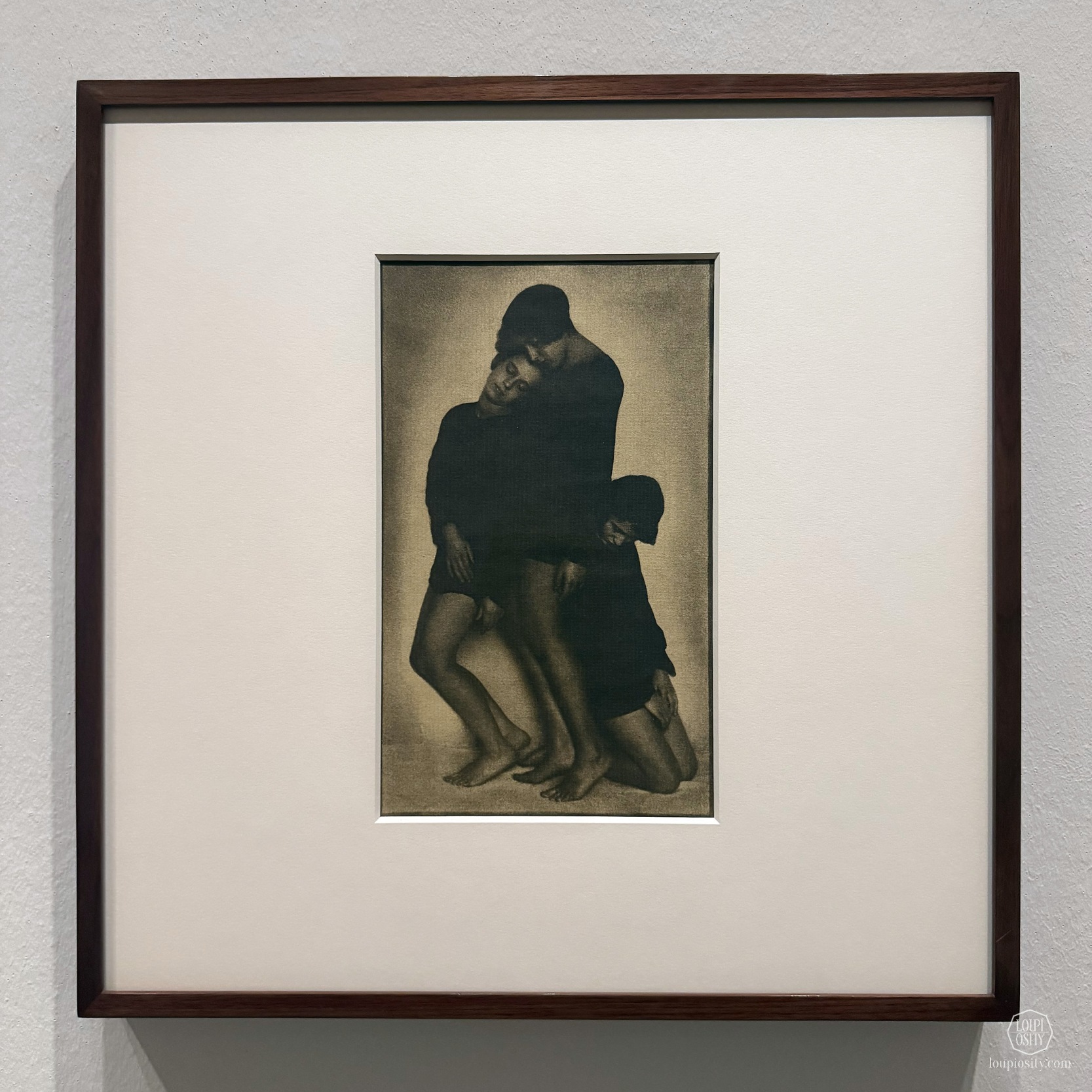
The exhibition traverses a vast chronological and stylistic spectrum, beginning with formal ballet portraits from the 1860s. These early works capture the strict structures and theatricality of classical dance, documenting the transition of movement into a fixed medium. As the timeline progresses to around 1900, the focus shifts to the ‘free dance’ movement, where the constraints of the ballet were abandoned in favour of more organic, expressive forms. This era reflects the broader cultural shifts occurring in Vienna, a city that, at the turn of the 20th century, fostered a vibrant independent scene that redefined dance as a serious art form.
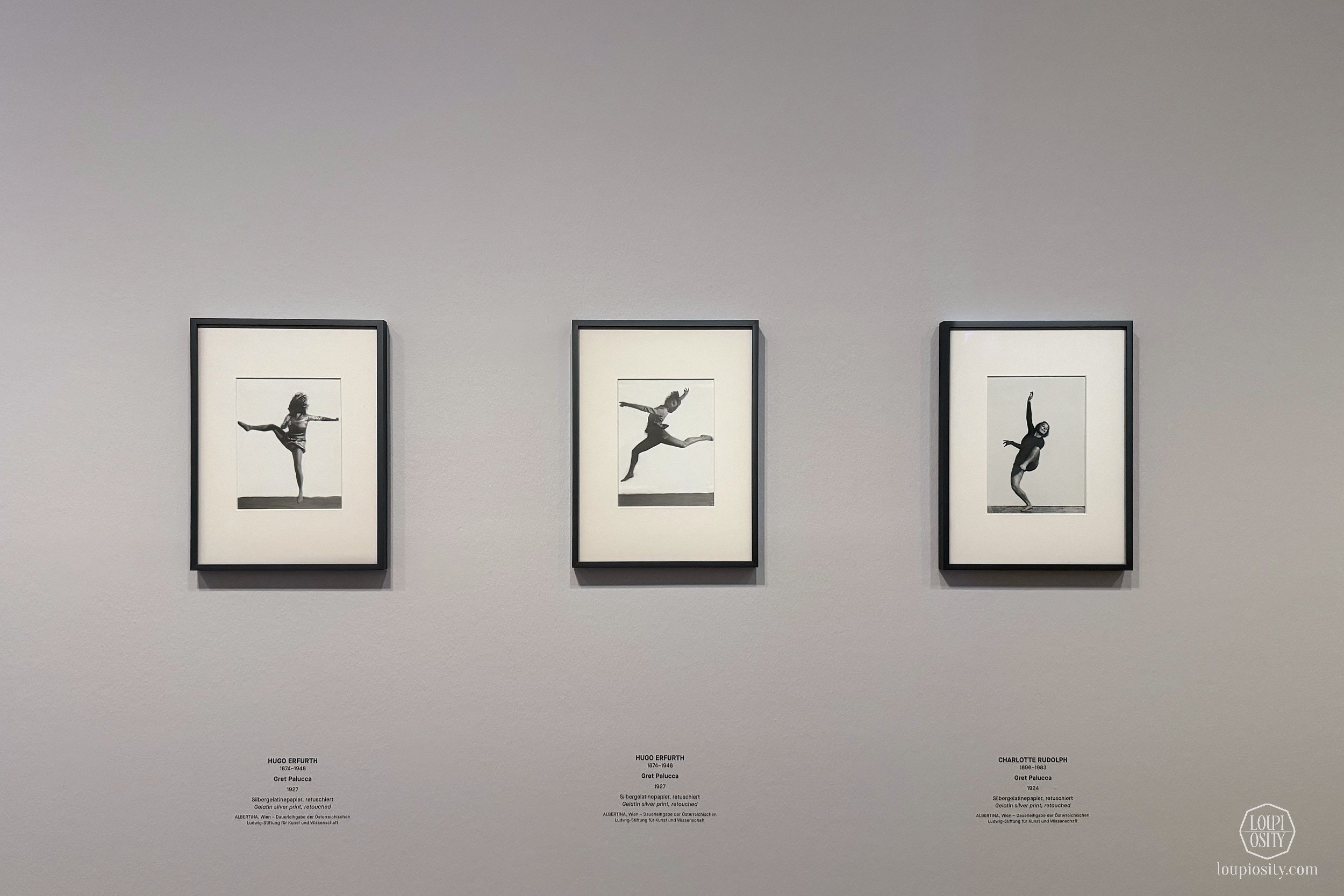
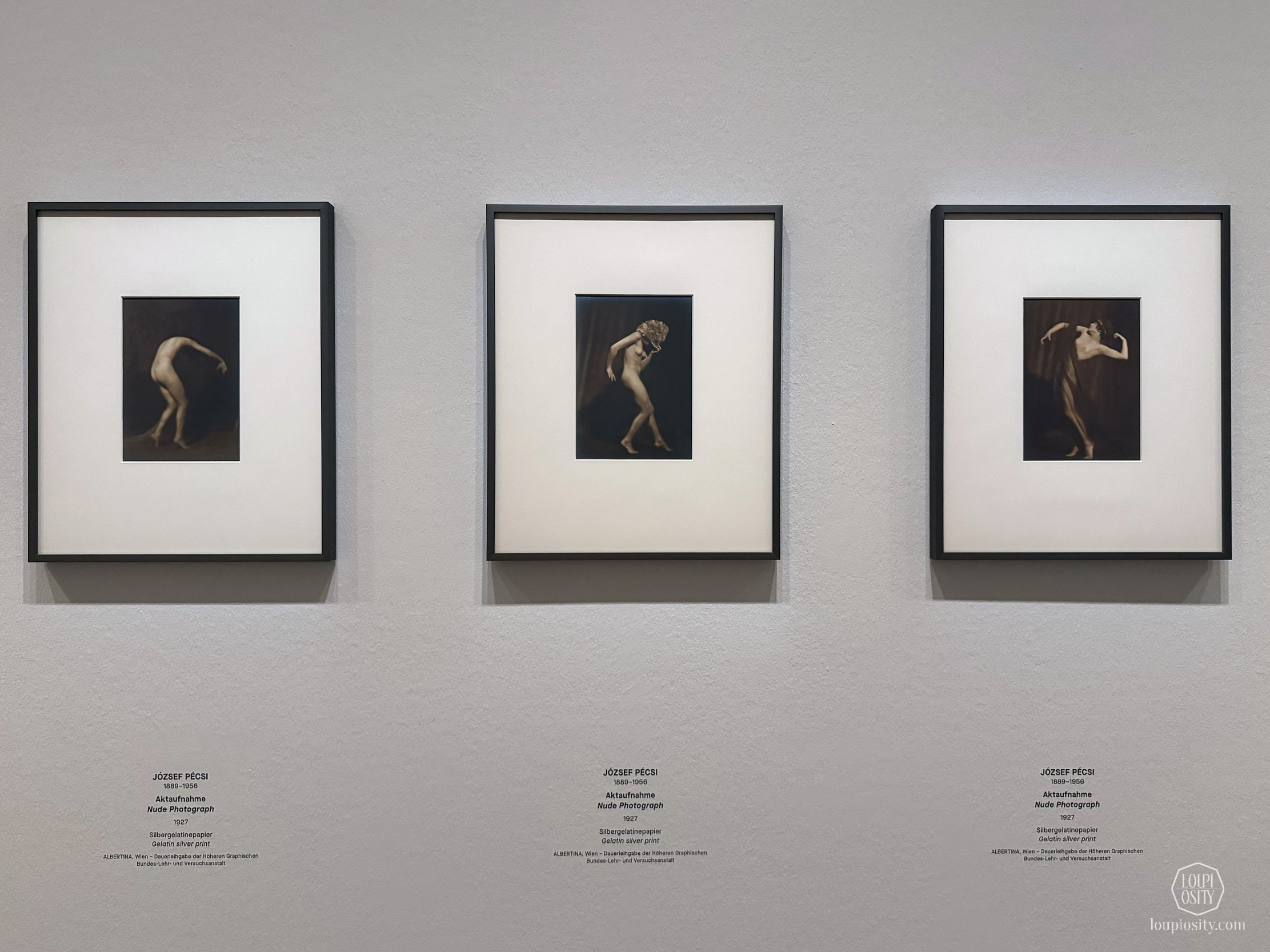
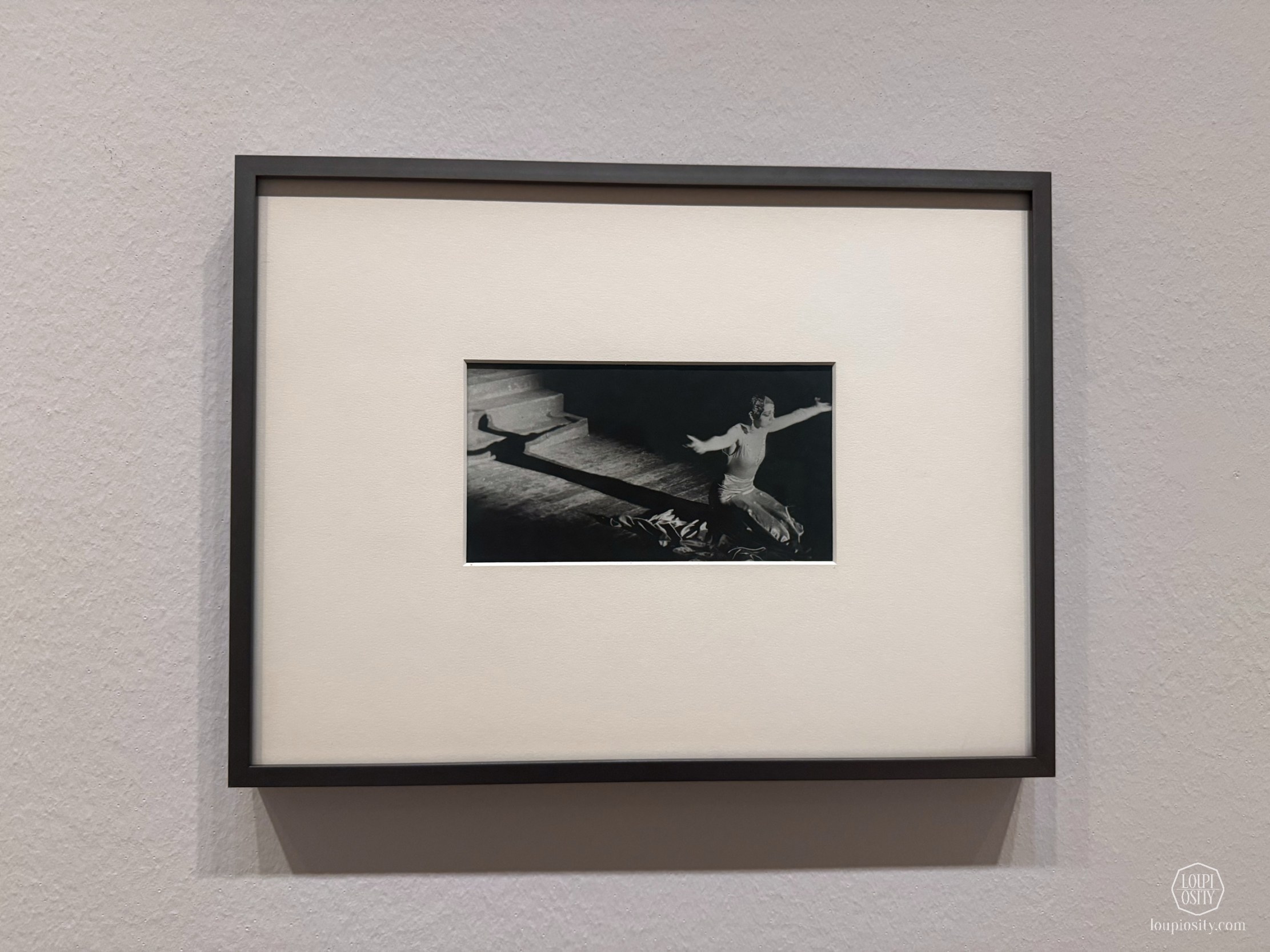
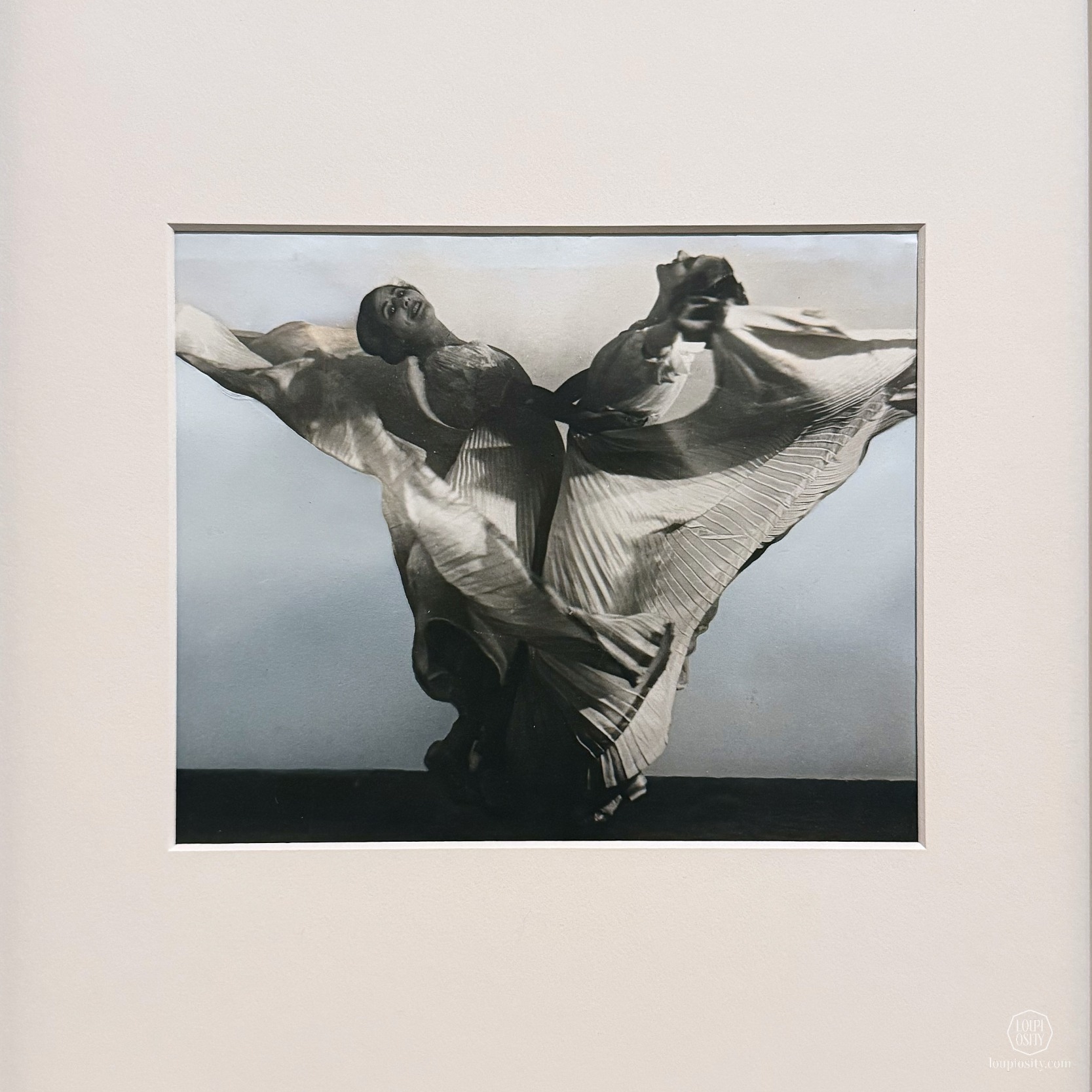
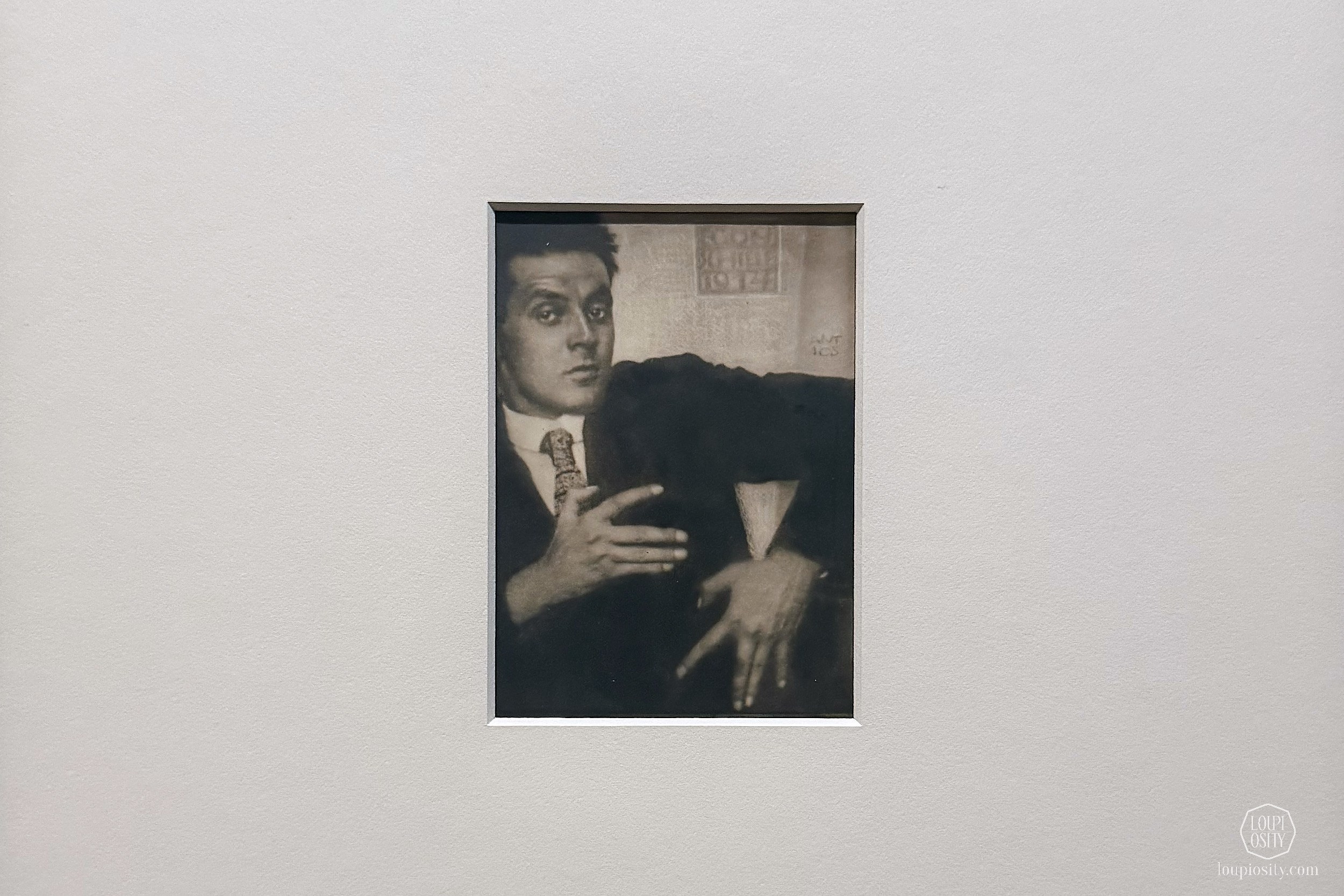
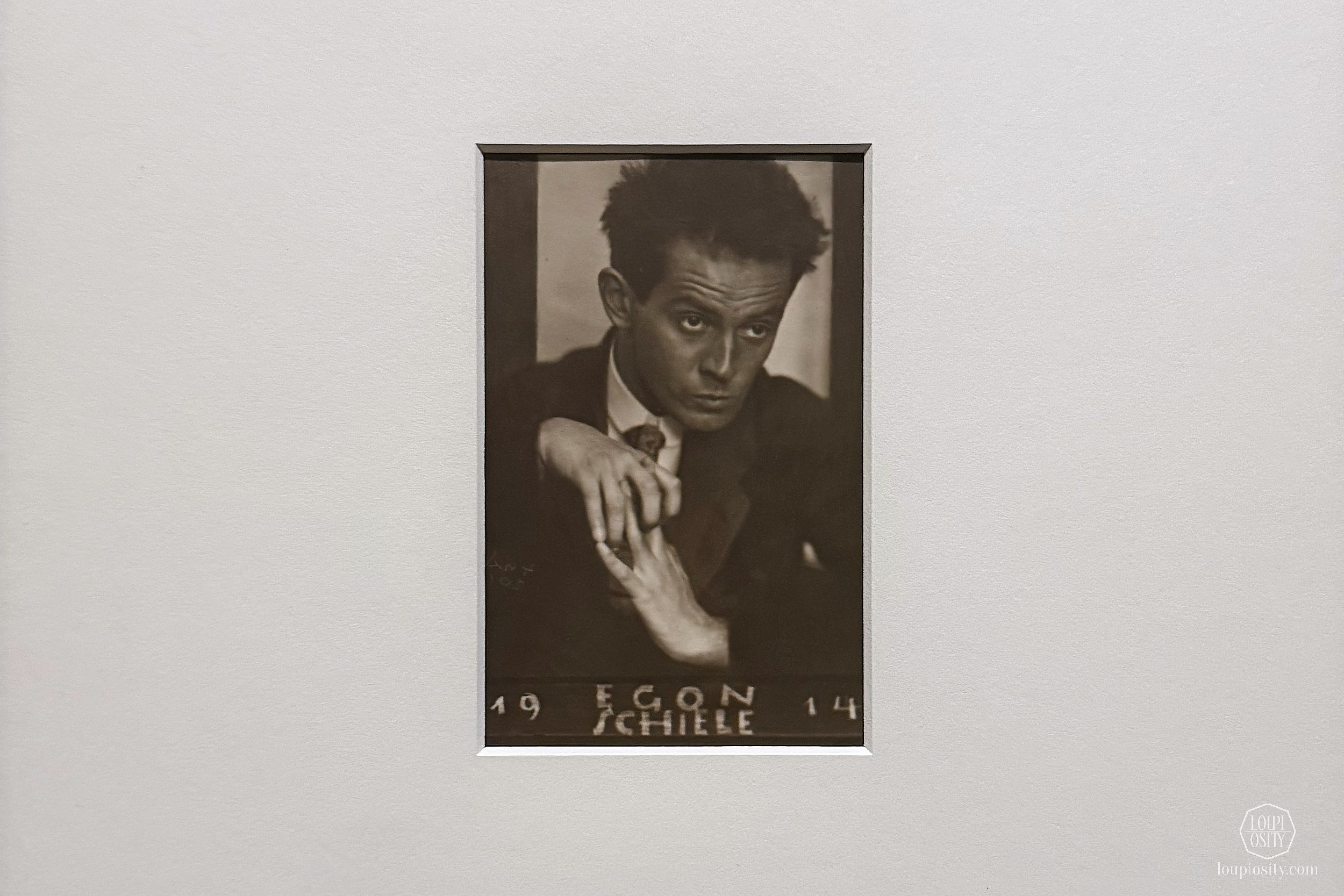
The exhibition culminates with the avant-garde photography of the 1920s and 1930s. Here, photographers began to exploit new technical possibilities, utilising experimental angles, motion blur, and unconventional framing to transform expression, rhythm, and motion into fascinating visual compositions. These images do not merely document a performance; they deconstruct it, offering a modernist interpretation of the human body in motion.
A special emphasis is placed on the Viennese context, highlighting how local photographers contributed to the global dialogue on dance. The works on display illustrate how the city’s unique cultural atmosphere influenced the depiction of movement, blending the legacy of the Secession with the emerging modernist sensibilities of the interwar period. By focusing on these specific eras, the exhibition provides a nuanced look at how photography evolved from a documentary tool to an artistic medium capable of capturing the ephemeral nature of dance.
Looking Ahead
As the institution moves through its anniversary year, a wide range of exhibitions will be presented at the three Albertina locations. After several decades, the French master of political caricature, Honoré Daumier, whose work has influenced many generations of artists to this day, is on display again this spring. The major fall exhibition is dedicated to the two most important figurative painters of the 20th century: Pablo Picasso and Francis Bacon.
The ‘Collecting for the Future – 250 Years of the ALBERTINA Museum’ anniversary exhibition will be on view from 19 June until 11 October 2026.
With ‘KAWS. Art & Comix’, the Albertina Modern invites visitors to engage in a dialogue of contemporary art at the intersection of comics and art. ‘Vasarely – Adrian, Moving images’ will showcase Victor Vasarely’s multilayered oeuvre in the summer, while from November visitors can learn more about Australian First Nations art at the ‘DOWN UNDER Art from Australia’ exhibition.
The theme for the year at the Albertina Klosterneuburg is ‘Donated with Love‘. The exhibition is a presentation of the latest donations to the collection, from Sean Scully to Julie Mehretu.
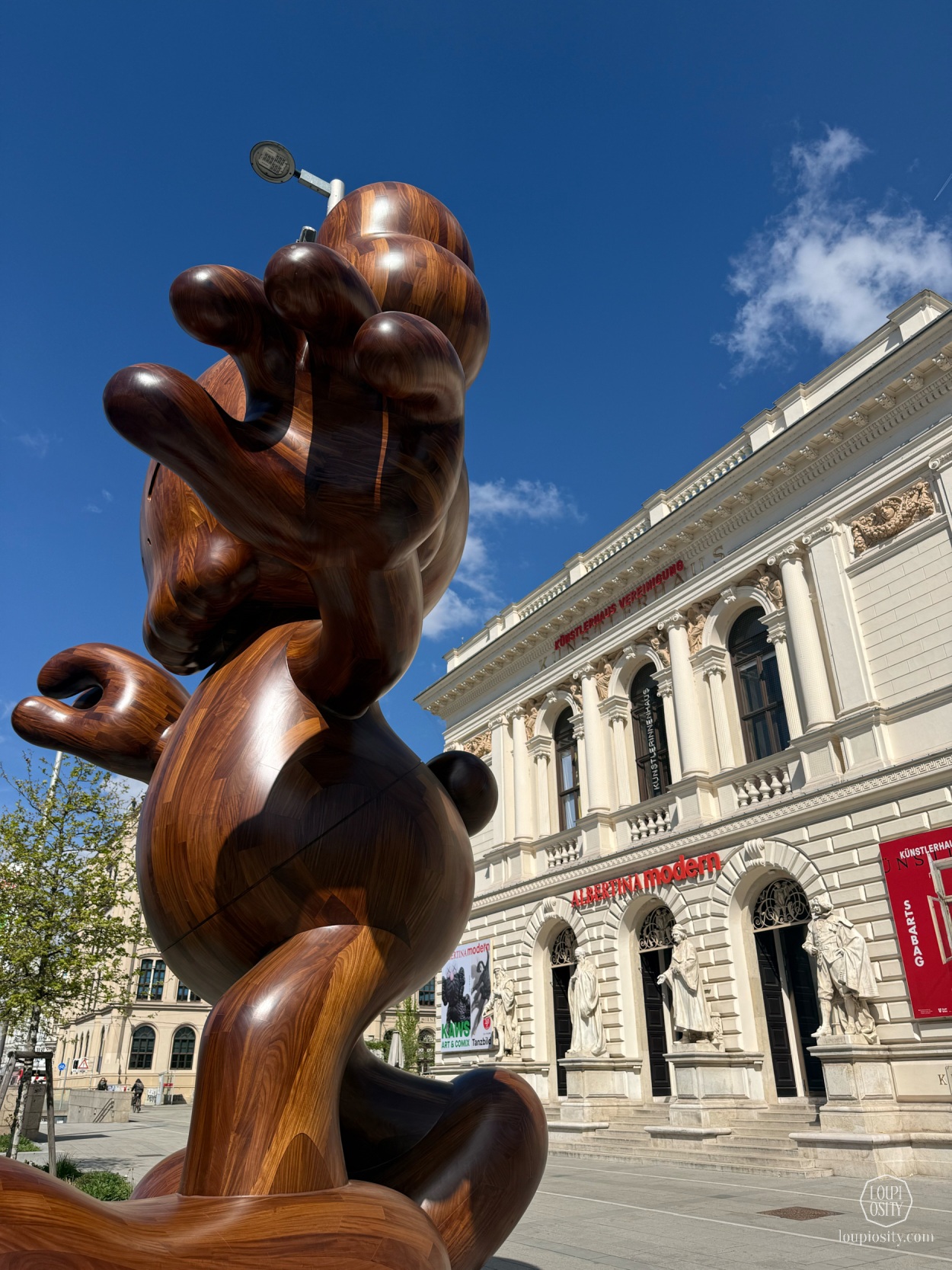
Photo credits: Loupiosity.com
All registered trademarks are property of their respective owners.
All rights reserved.