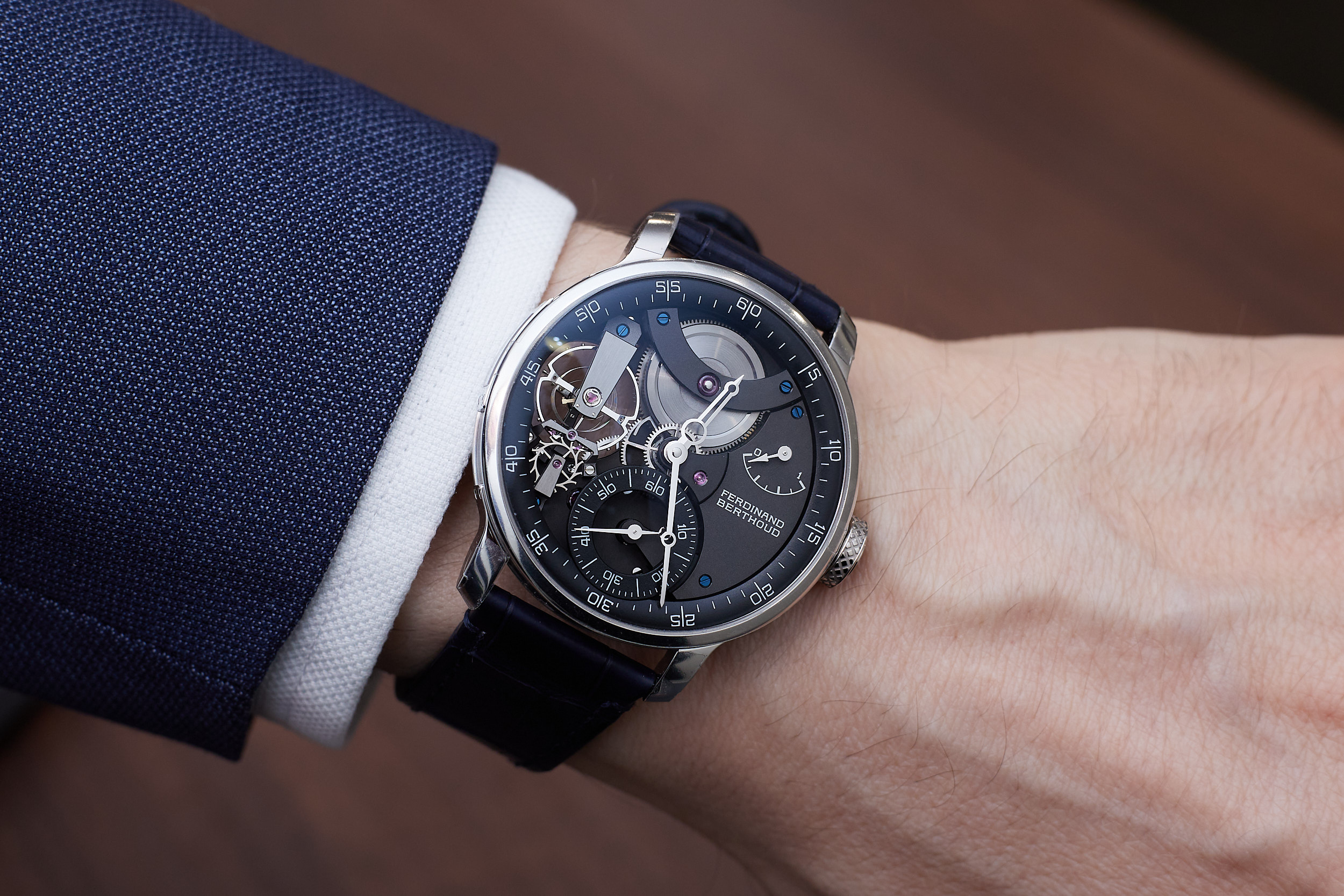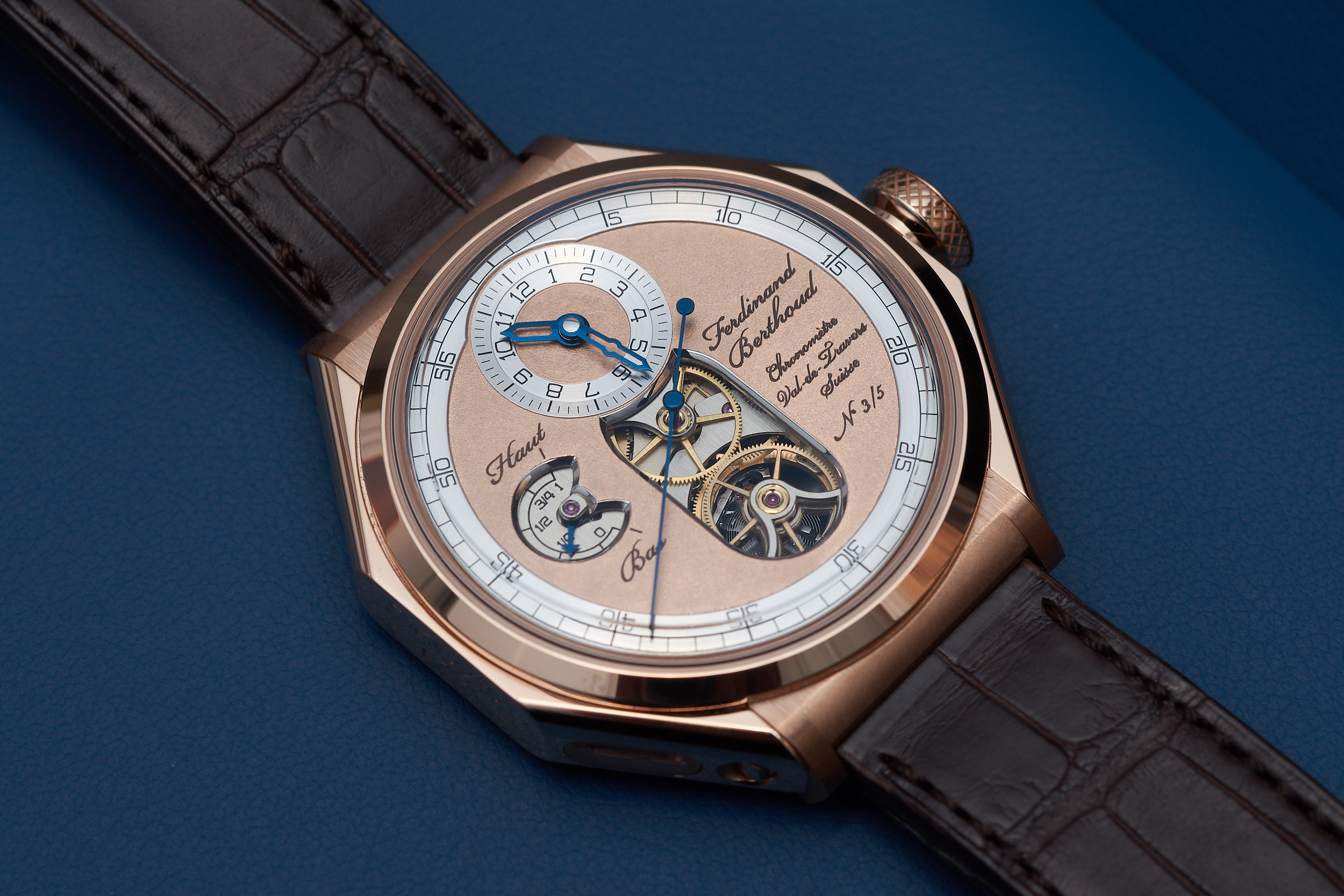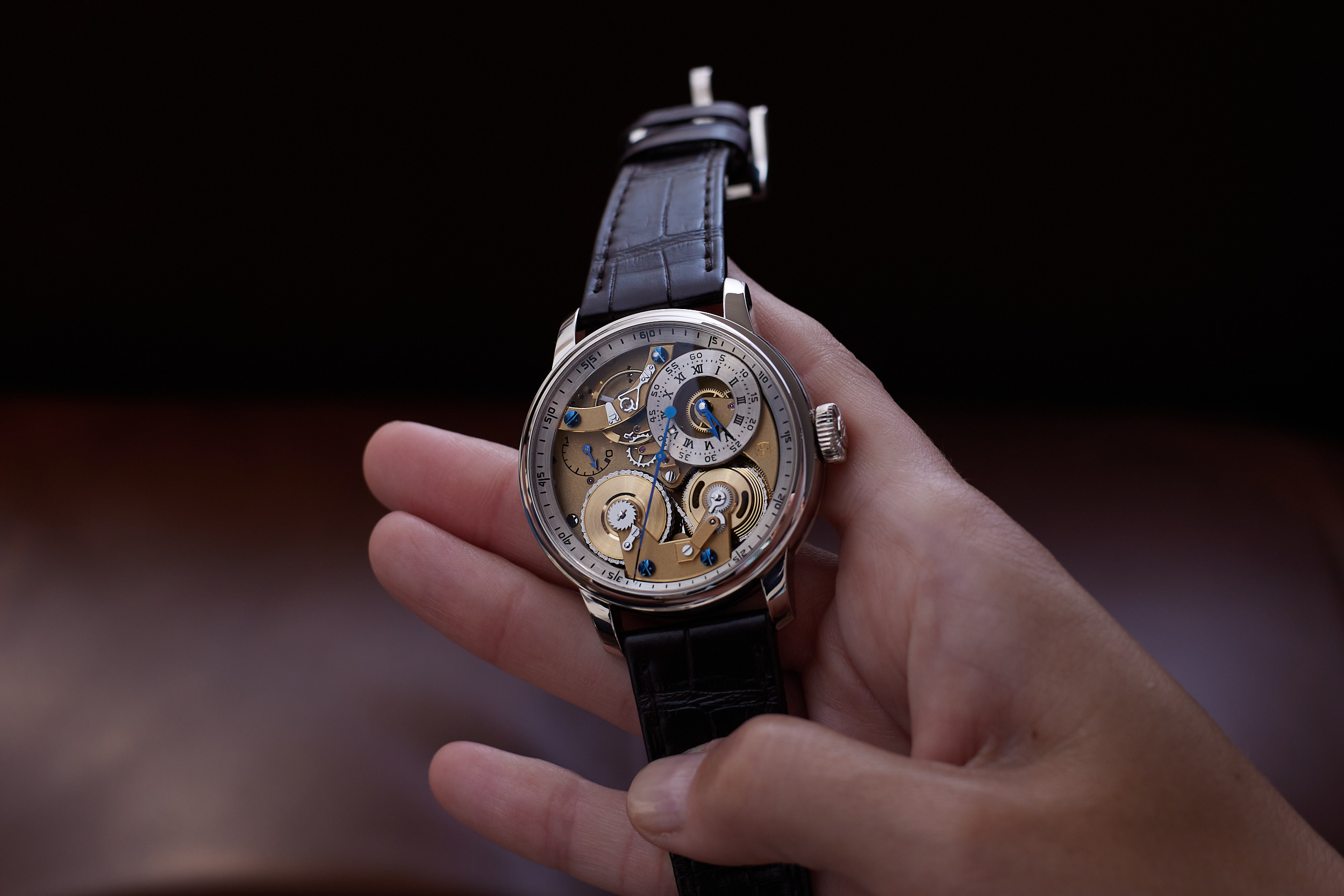
The Naissance d’une Montre 3 represents the culmination of a six-year journey to revive forgotten watchmaking techniques. The final piece, which boasted exceptional chronometer performance achieved through traditional methods, was auctioned in November 2025. The ten subsequent gold pieces were sold out in advance, and the first unit is now ready for delivery. We visited Atelier Traditionel, the workshop where it was born, located at the Ferdinand Berthoud Manufacture.
Handmade
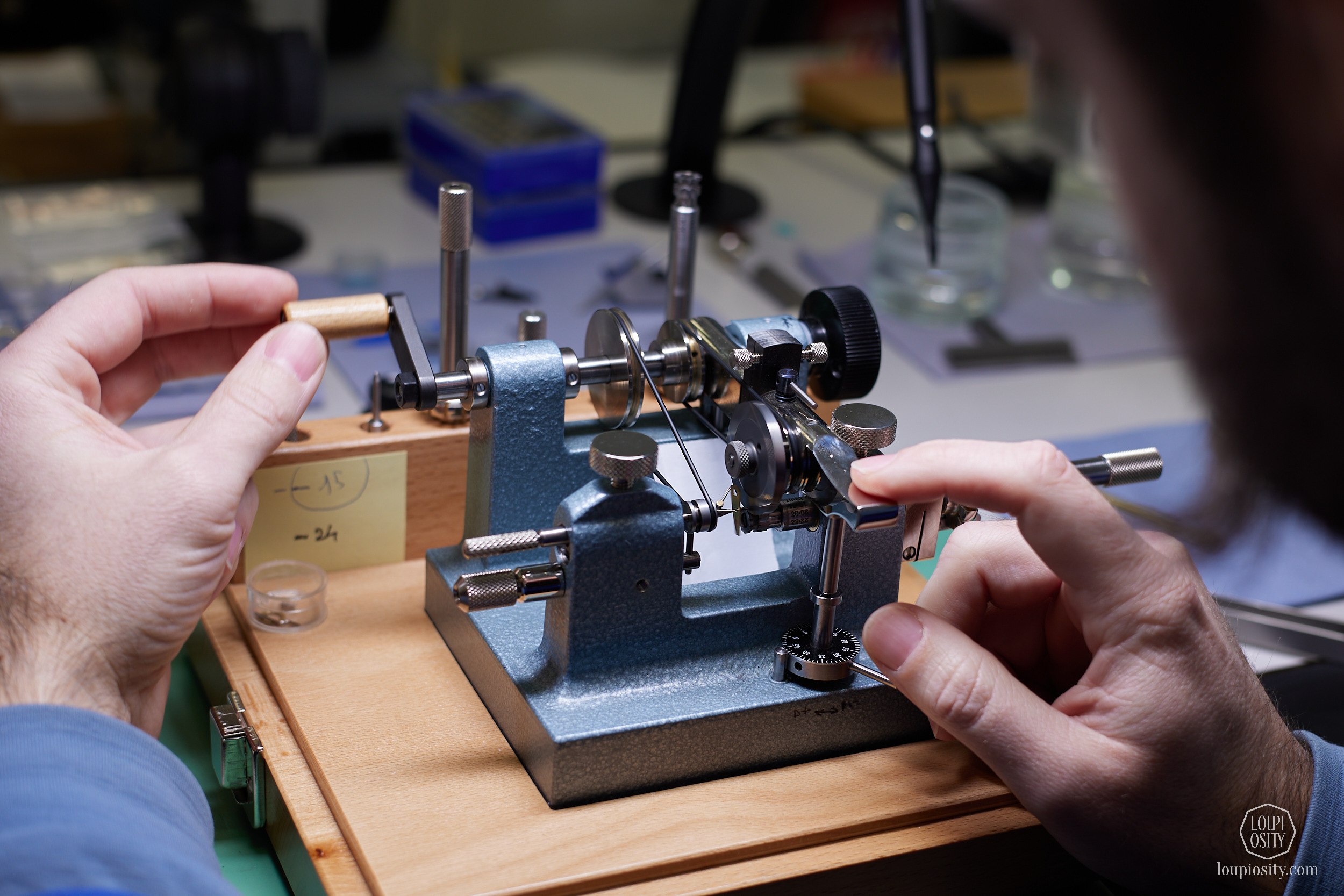
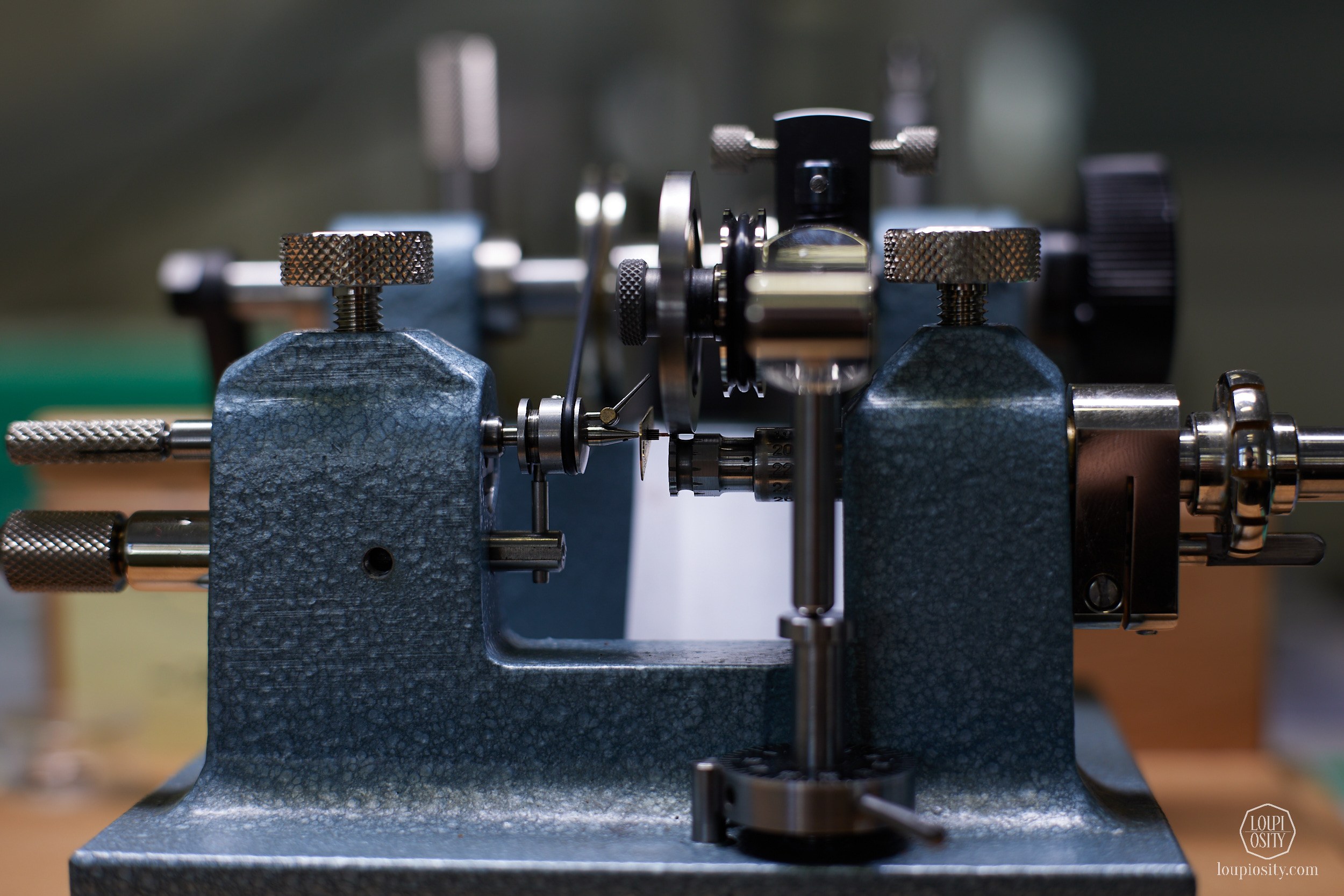
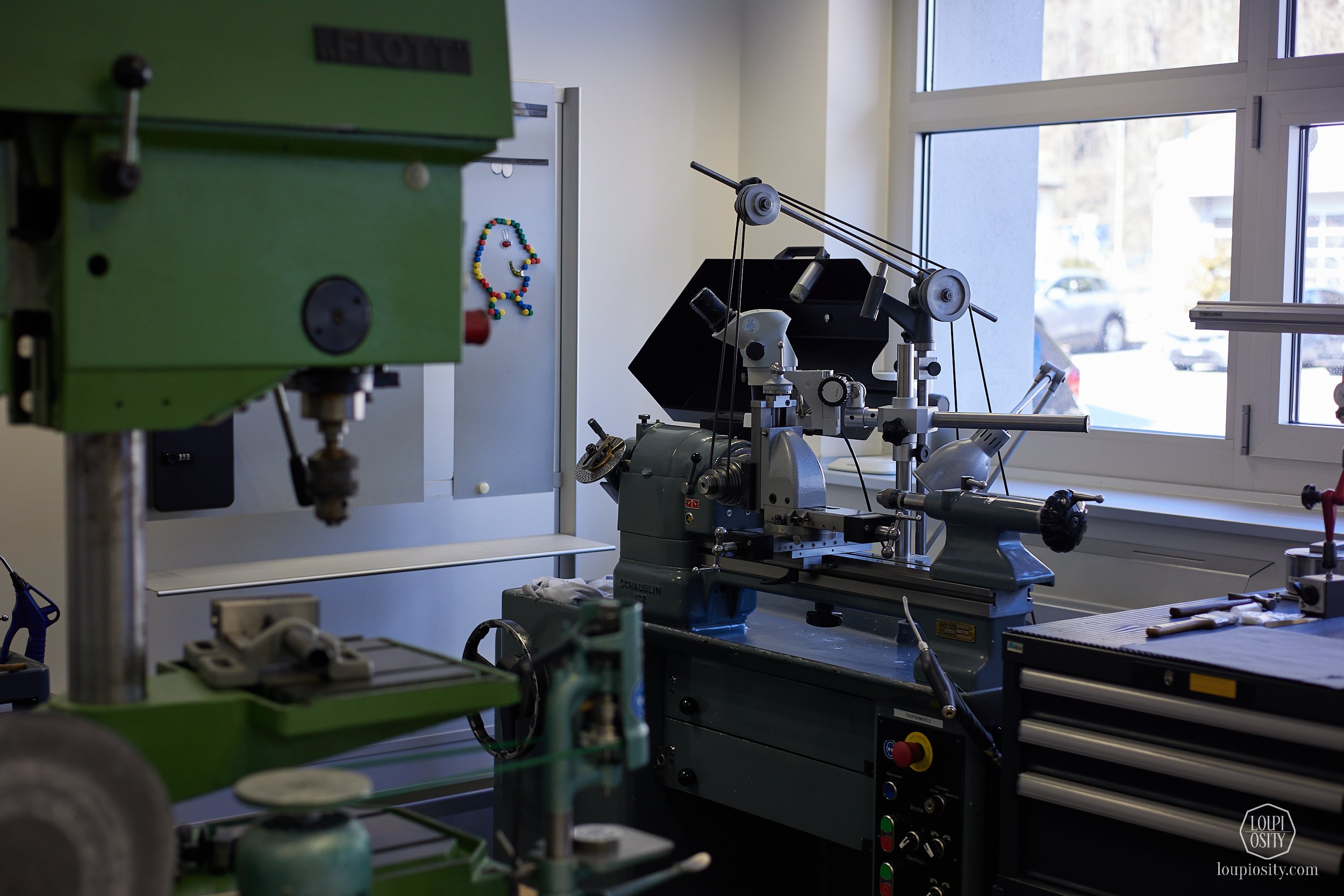
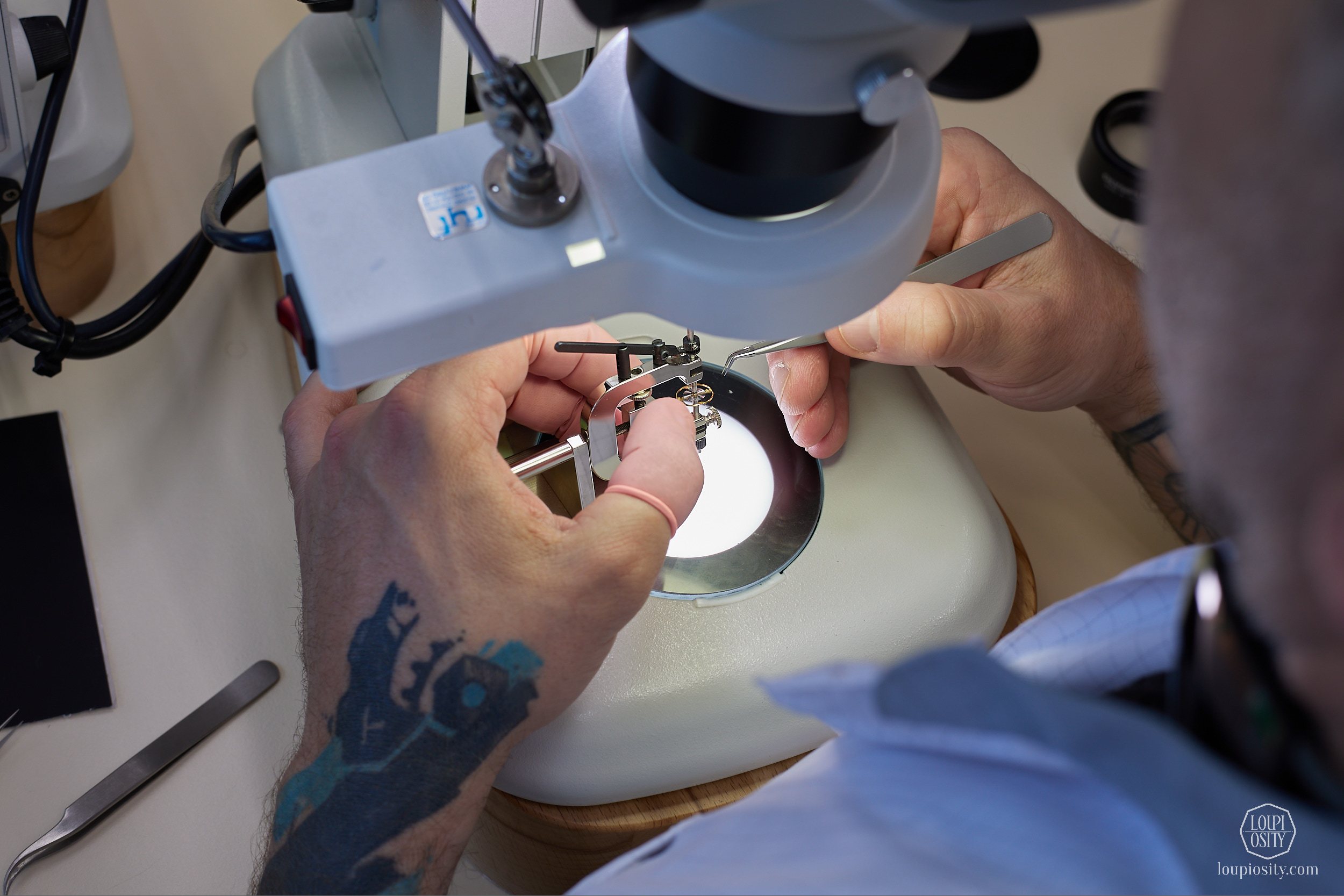
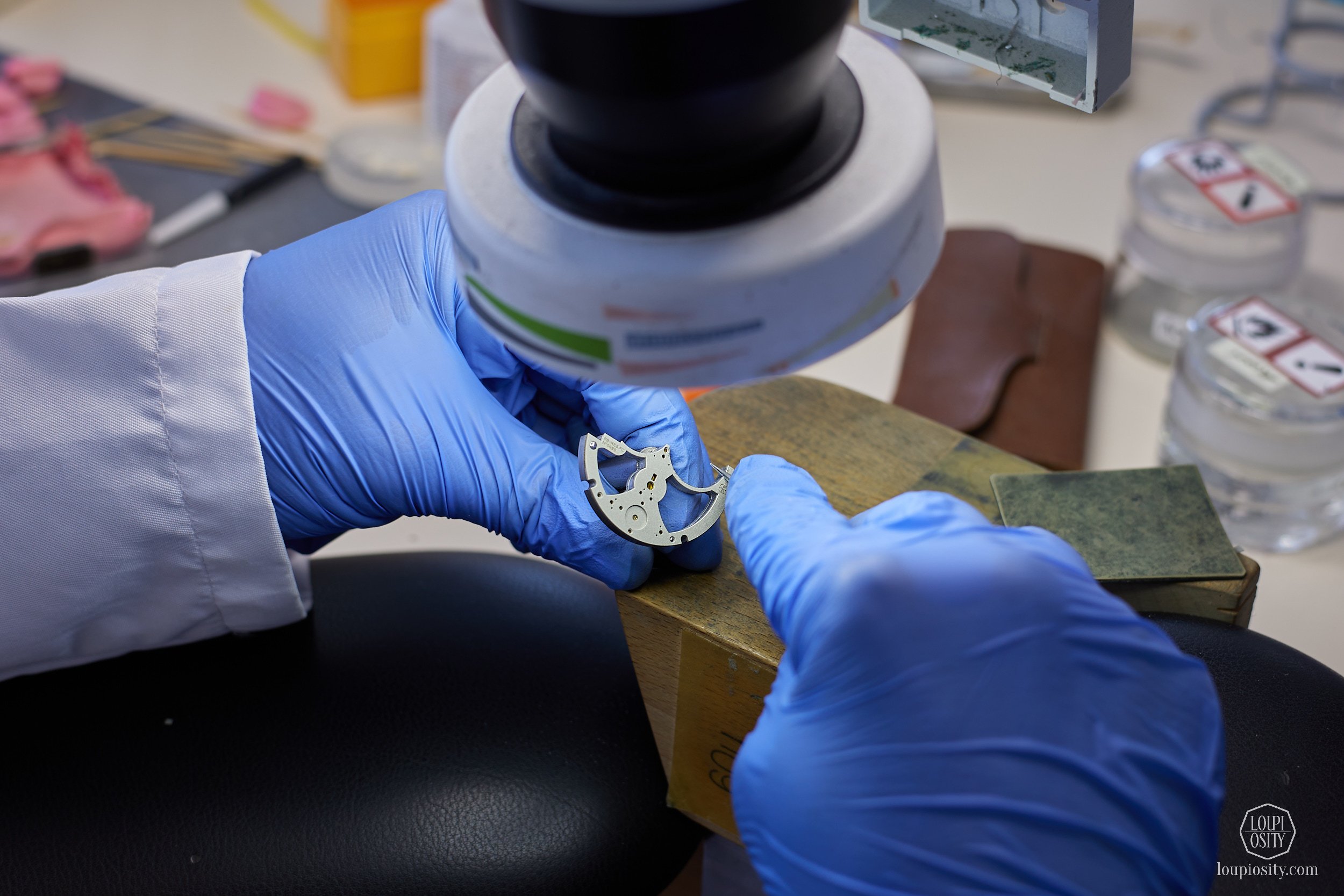
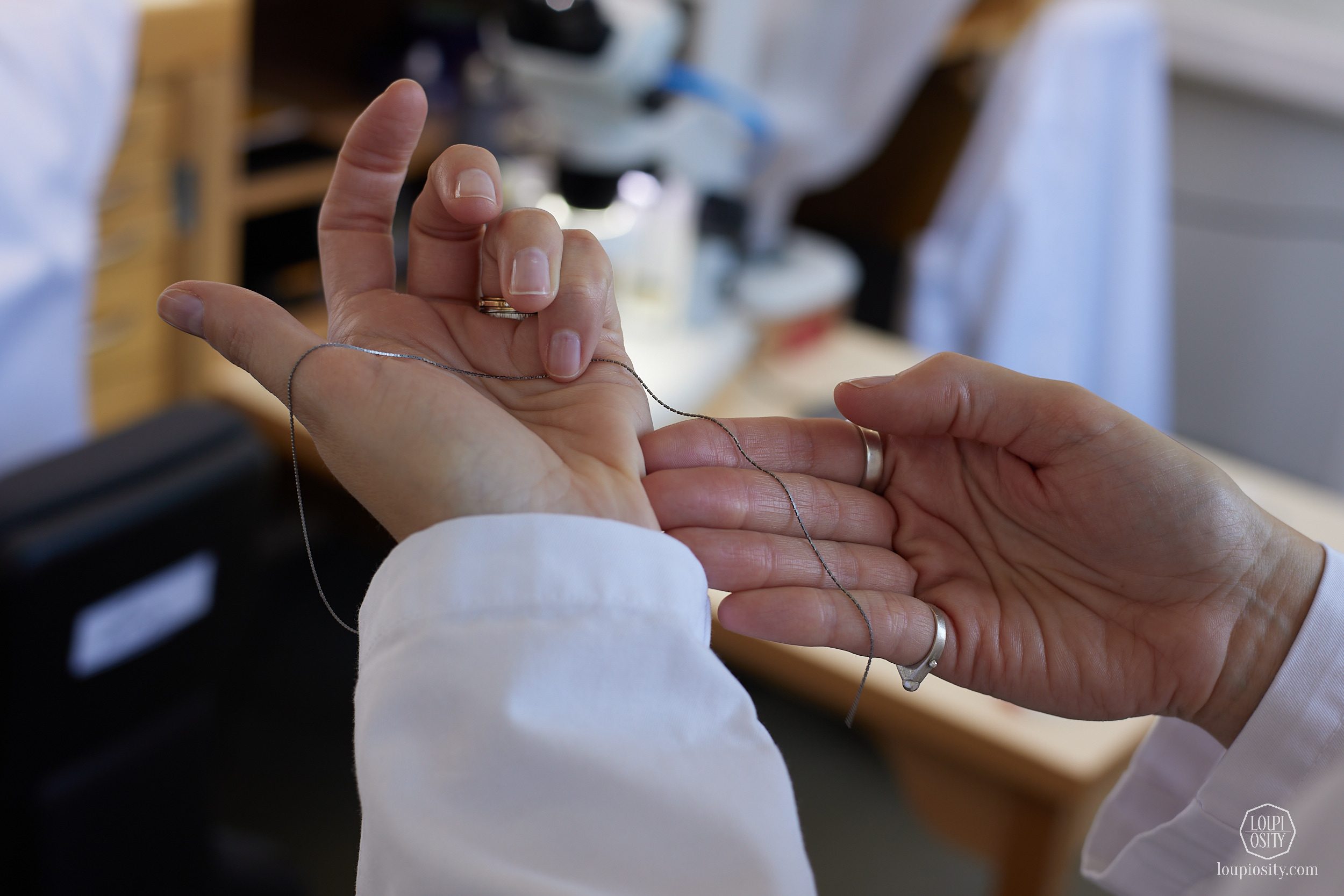
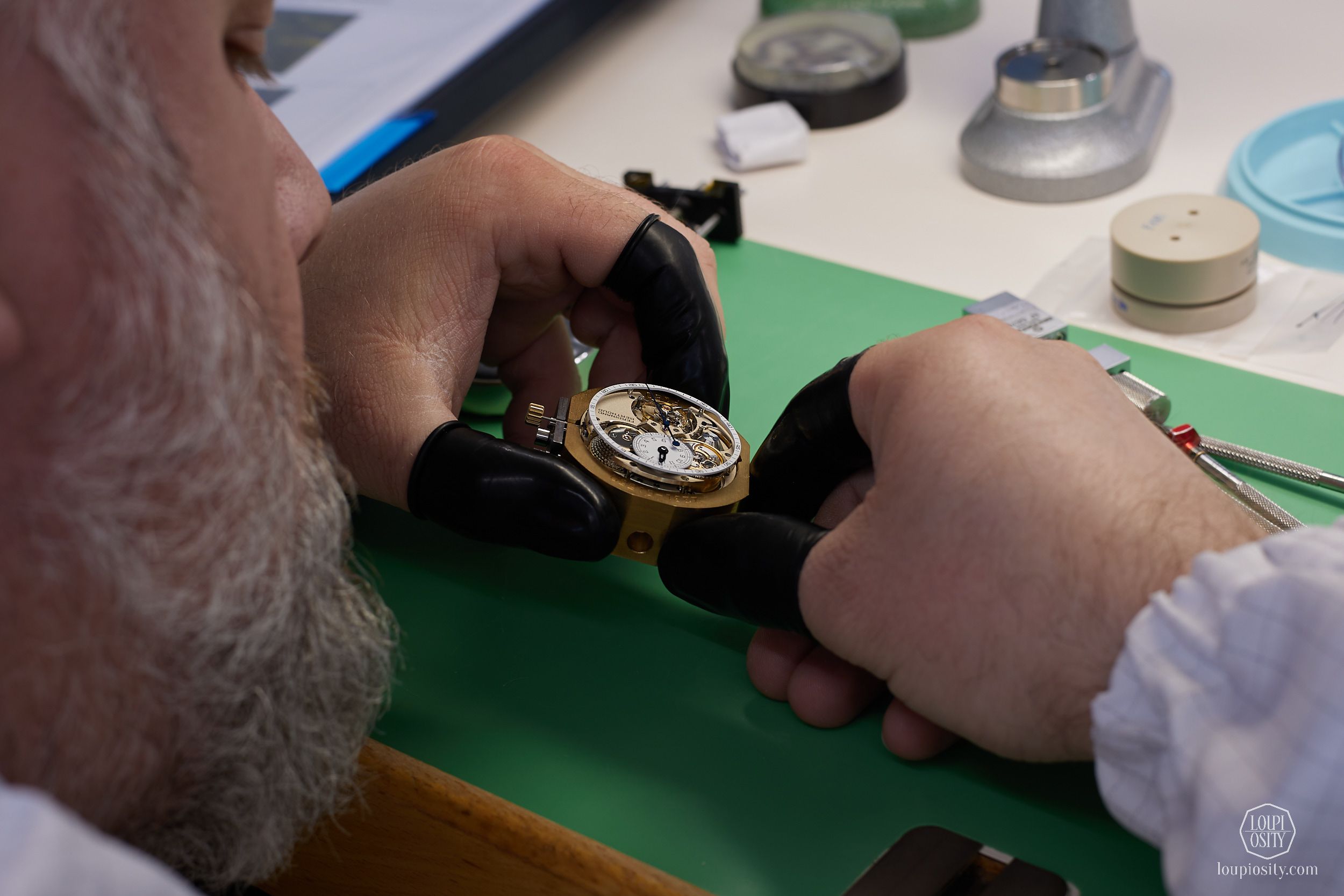
Looking at an assembled watch, one doesn’t always realize the intricate work that goes into the individual parts. Especially when it’s a piece like the Naissance d’une Montre 3, which is done entirely by hand. Participants of the project that kicked off in 2019 and produced the final piece in 2025 took on not only the creation of the watch, but perhaps even more importantly the revival of the long-forgotten manufacturing methods like creating a bi-metallic balance wheel and the rediscovery of the traditional watchmaking tools.
While here, it is interesting to think about whether all the techniques were available in Berthoud’s time, e.g., cutting screws in such small dimensions. Wristwatches were not available back then and pocket watches did not require this level of miniaturization. From this perspective, the undertaking was therefore even more ambitious.
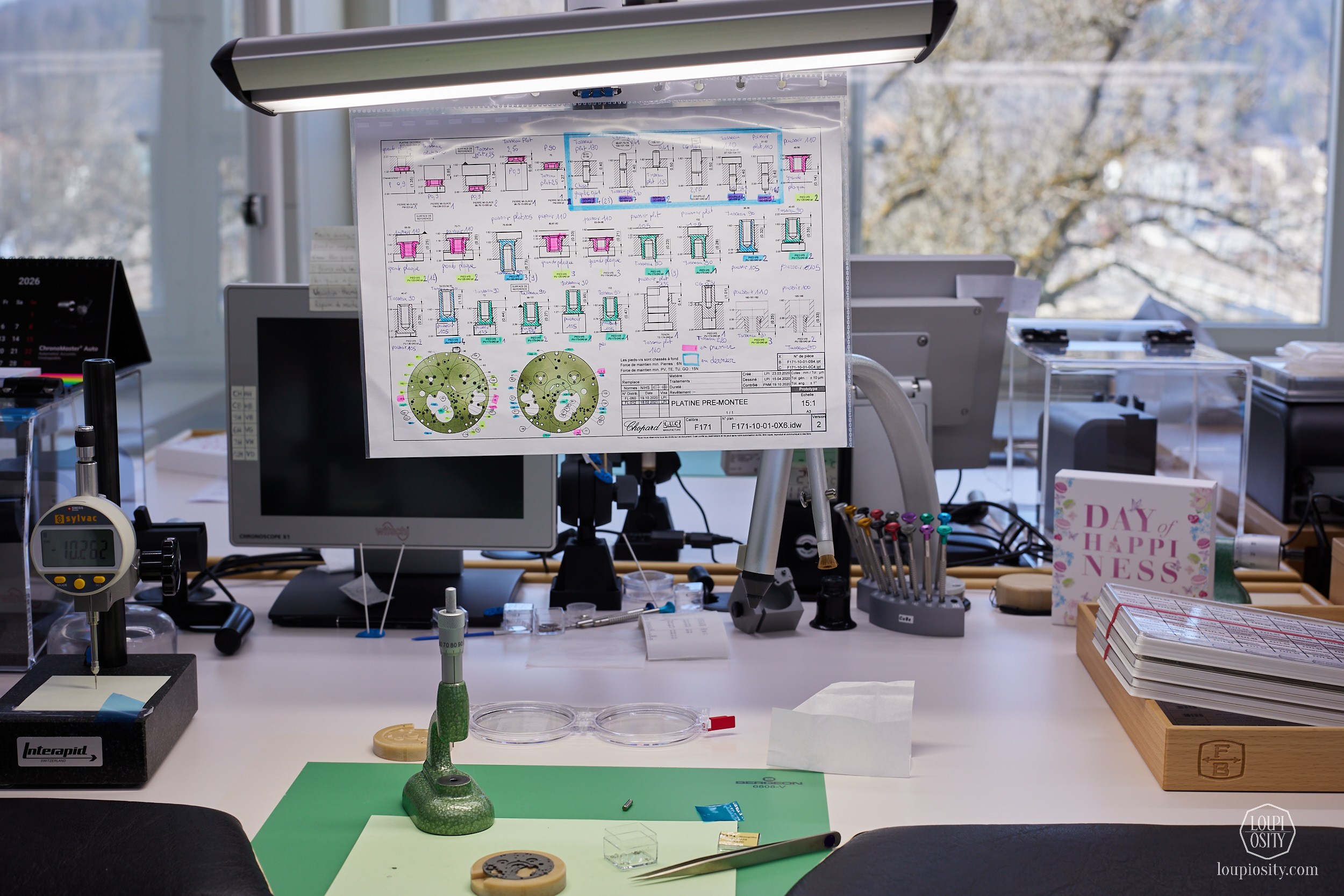
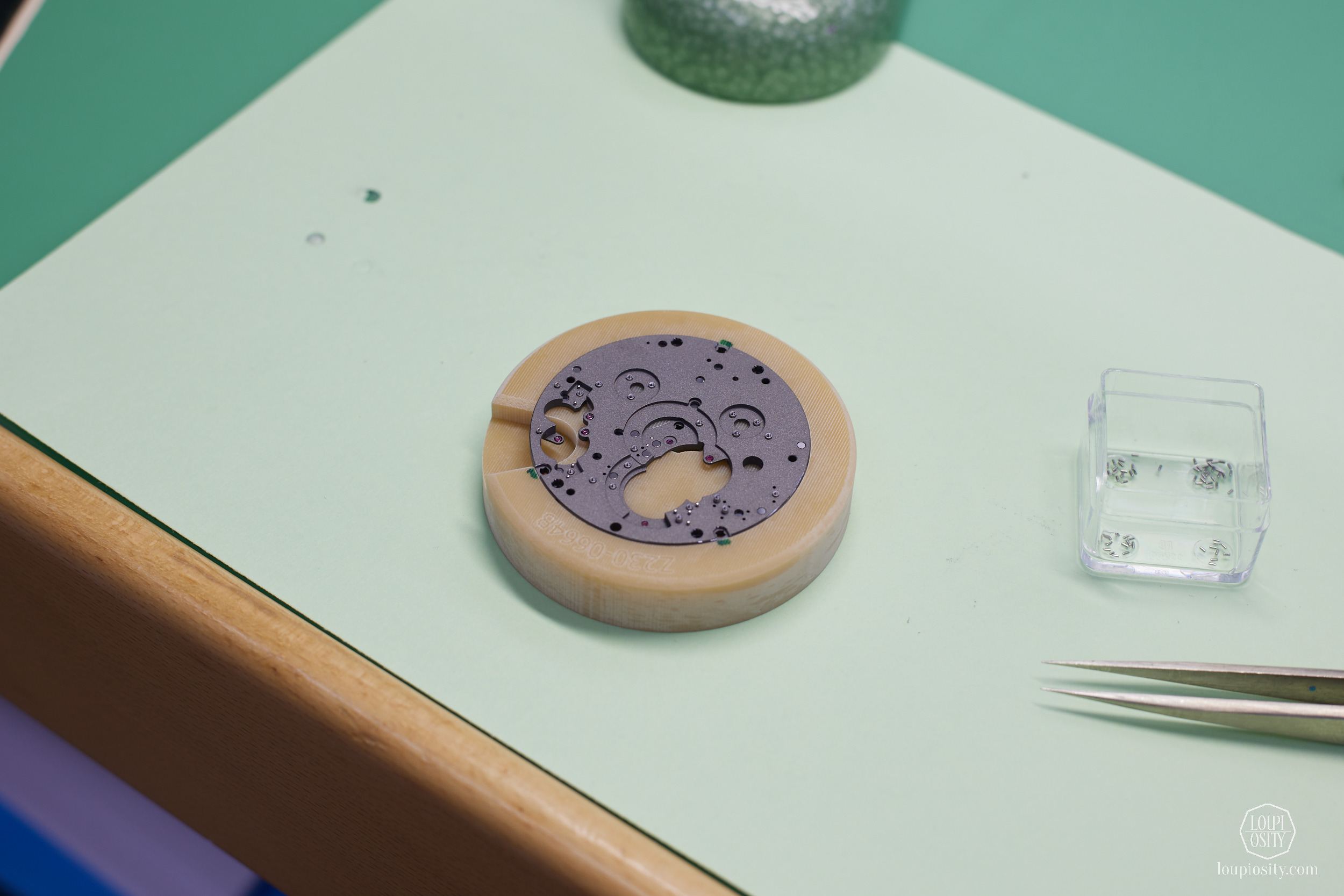
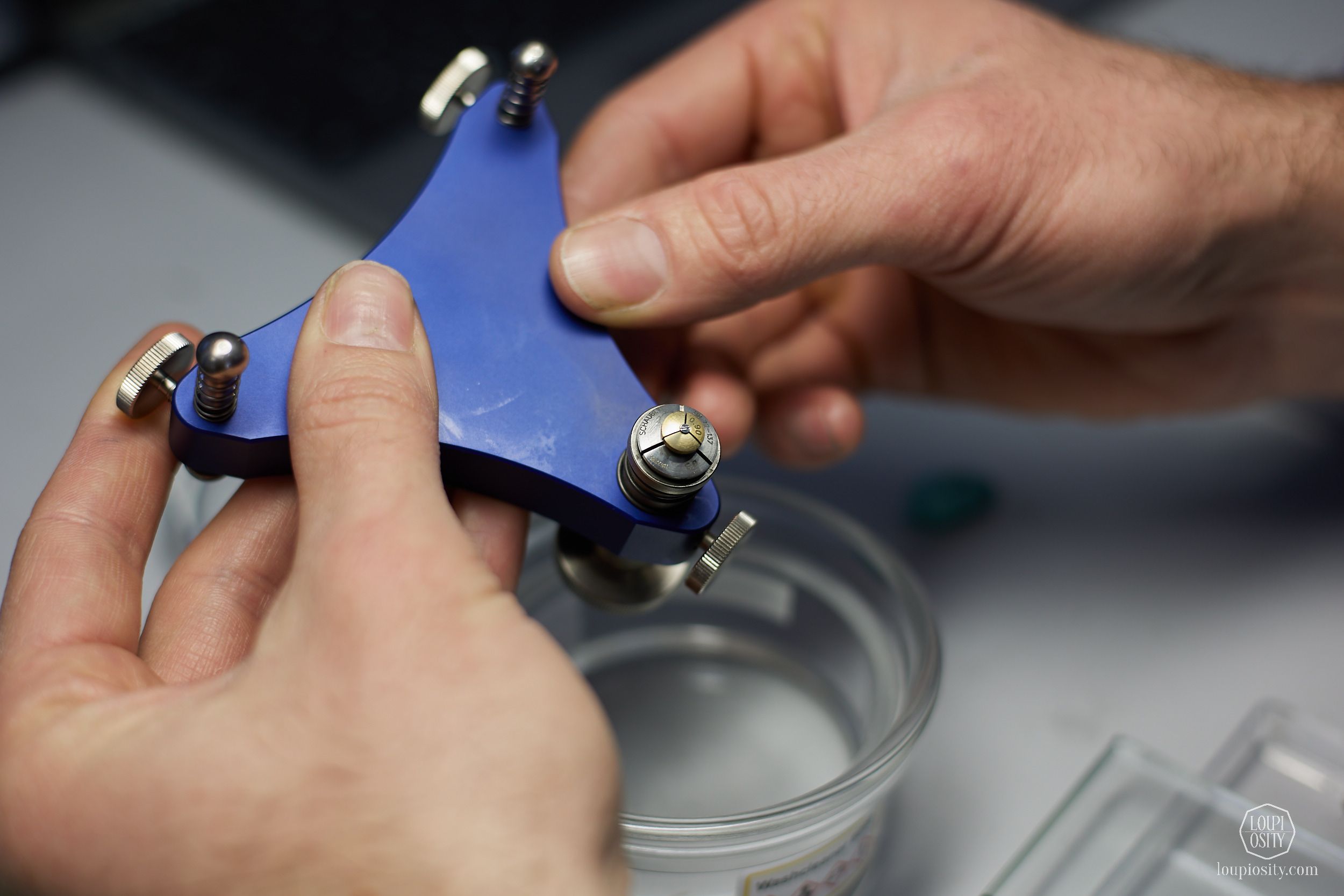
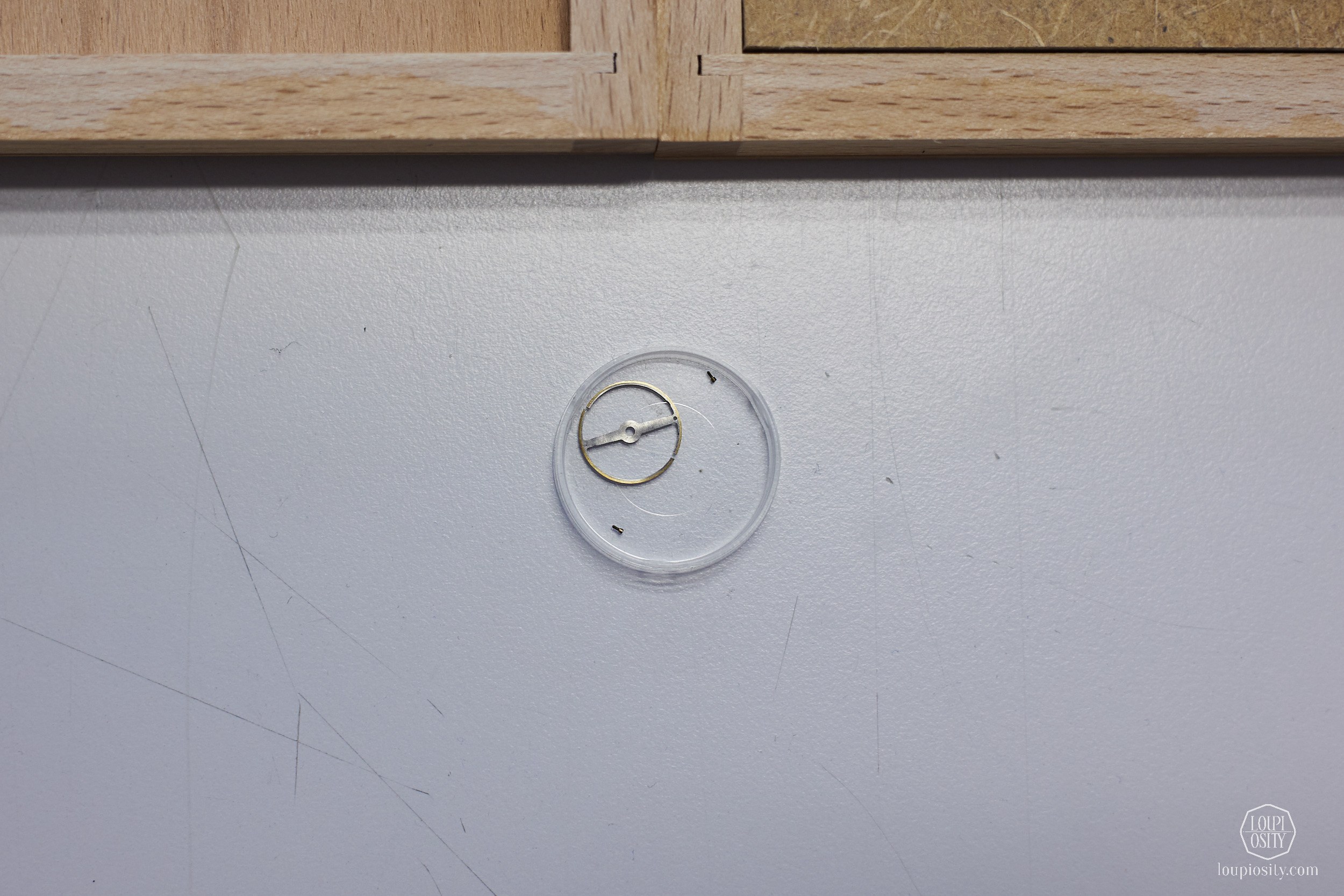
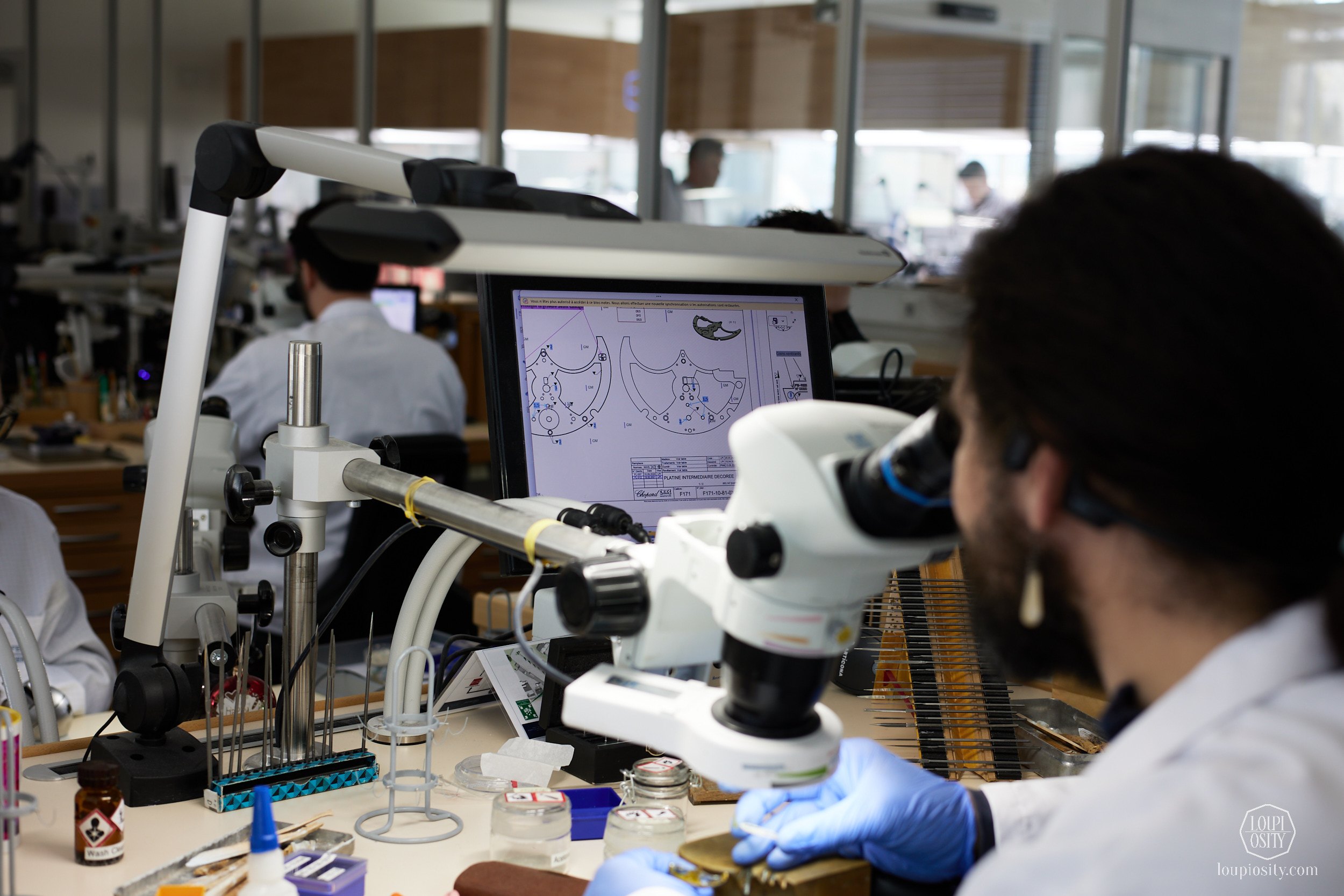
Within the Ferdinand Berthoud Manufacture Atelier Traditionel, a dedicated contingent was established to own the discovery, the tools refurbishing, and the creation of the final piece. After six years of focused work, Ferdinand Berthoud presented the masterpiece in steel at the Geneva Watch Days in 2025. It was subsequently auctioned by Phillips Watches in November at the Watches: Decade One (2015-2025) auction. The quest continued as Ferdinand Berthoud undertook to make ten more pieces in relentlessly high quality in gold by the end of the decade. Built on the experience gathered and using the reinstated machines, they can produce two units annually.
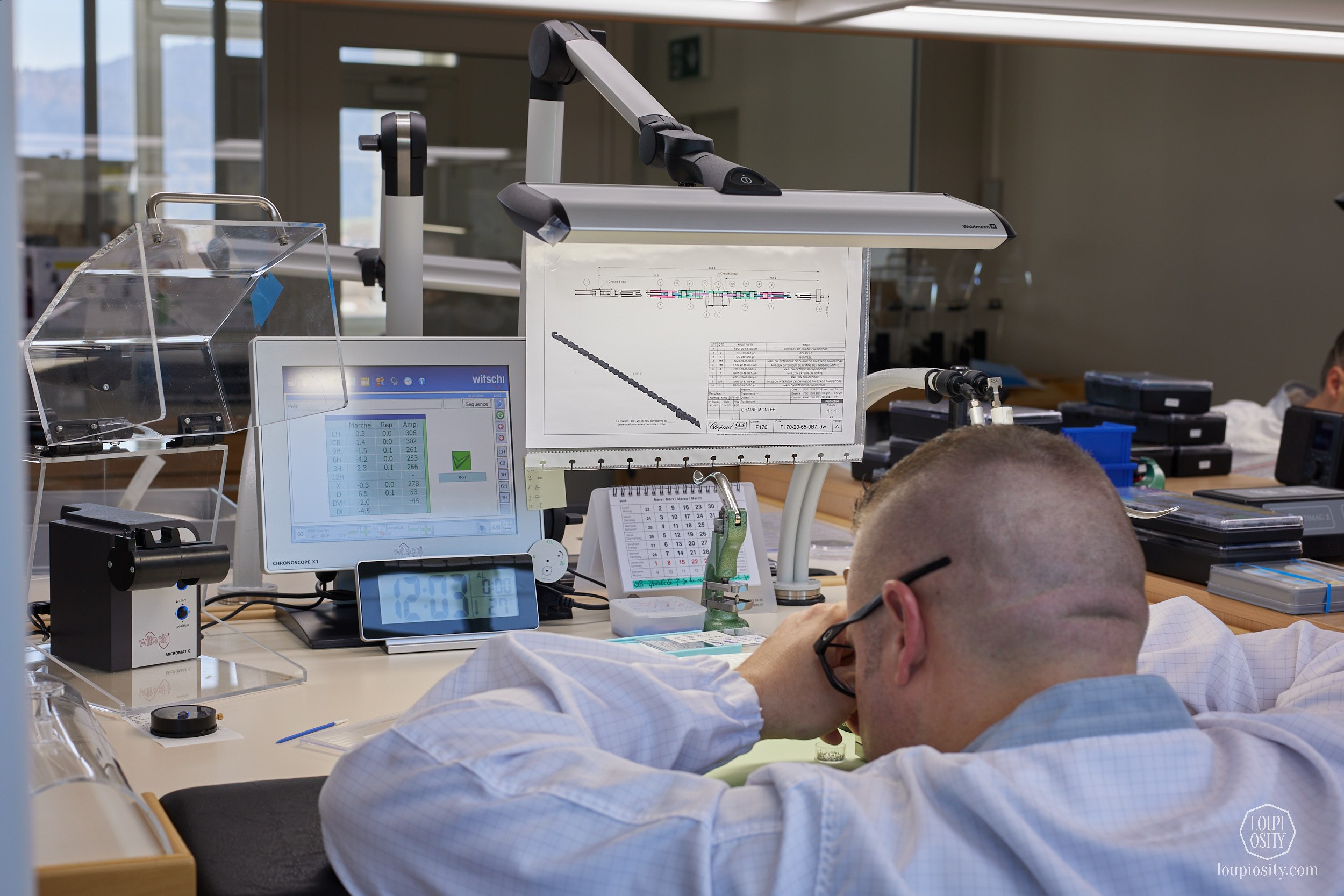
After having undergone the traditional Chronometer Certification tests, the first of the ten just arrived back from COSC at the time of our visit. The results are exceptional, especially if you factor in the fact that the whole piece was done entirely by hand using traditional tools: 0.61 sec/day mean daily rate in all 5 positions (req: -4/+6), -0.99 sec/day difference between horizontal and vertical positions (req: -6 / +8), and -0.06 sec/day/°C variation of rate per 1 Celsius (req: -0.6 / +0.6).
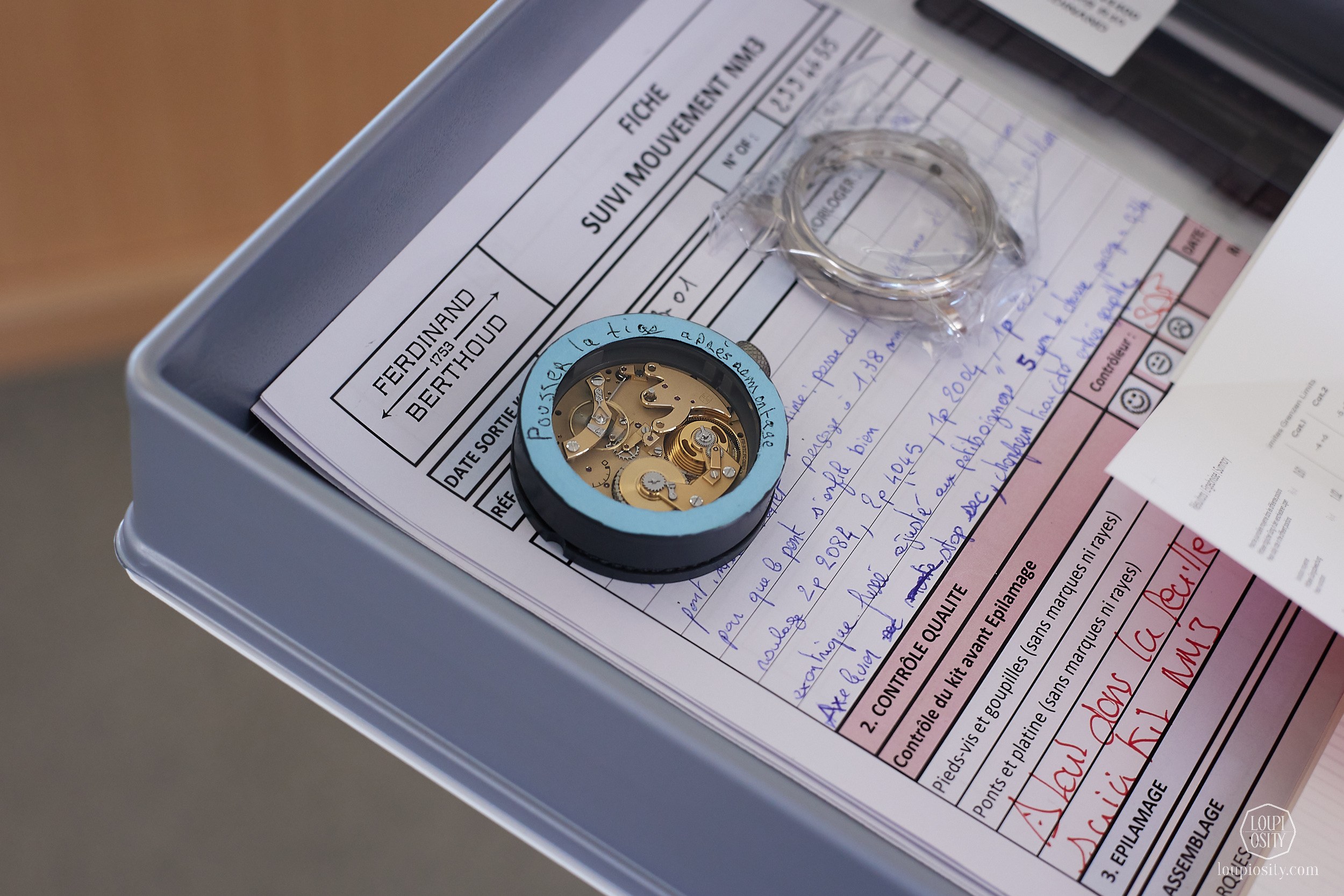
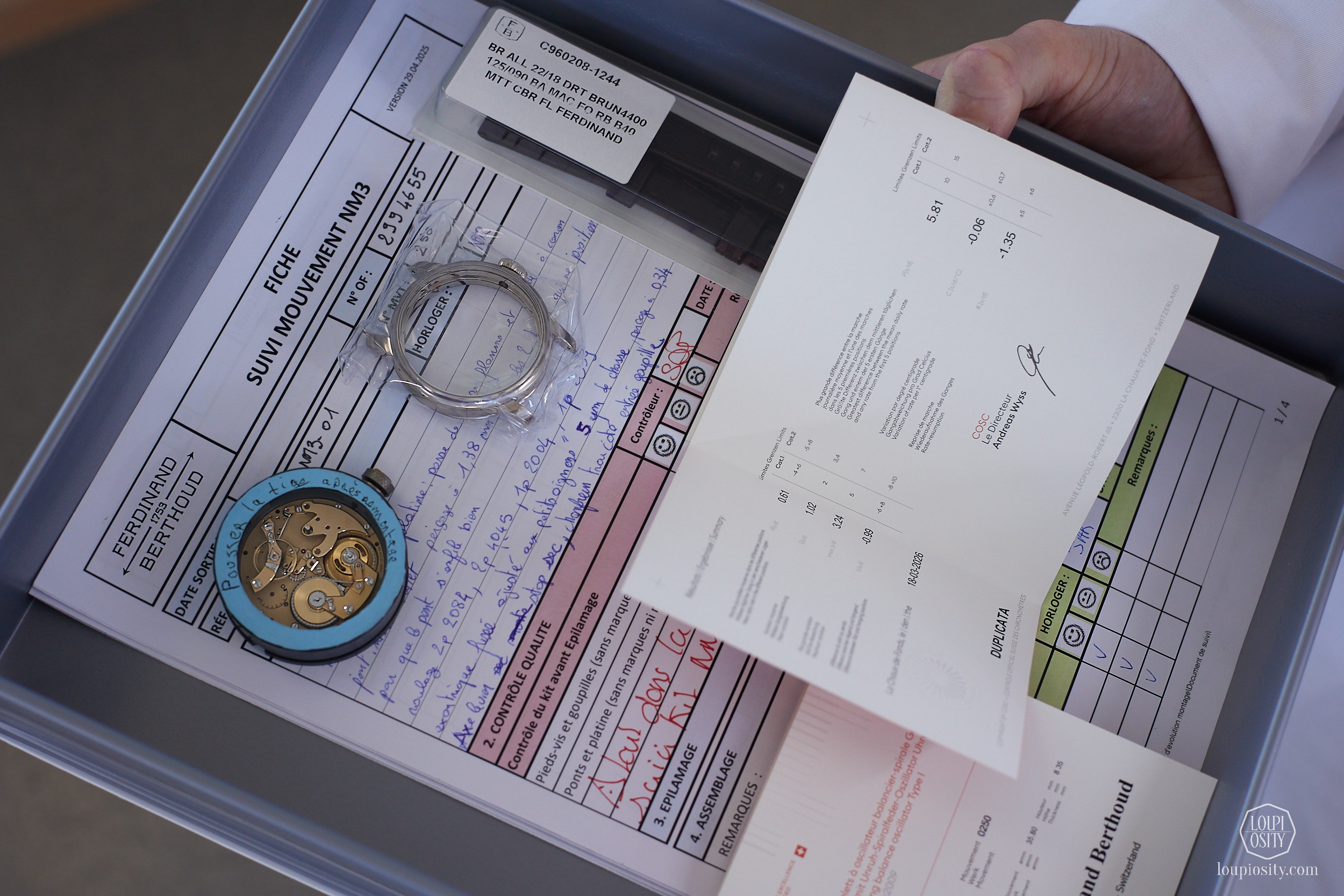
The impact of Atelier Traditionel on Ferdinand Berthoud
Watchmaking manufactures in the quiet district of Val-de-Travers in the canton of Neuchâtel are particularly impacted by the shortage of skilled population. Watchmaking students end up getting employed by the main luxury groups of the Neuchâtel, Bern, and Geneva areas. Smaller companies like Ferdinand Berthoud and its sister company Chopard must find creative approaches to attract and retain young talent in its main manufacturing facilities in Fleurier.
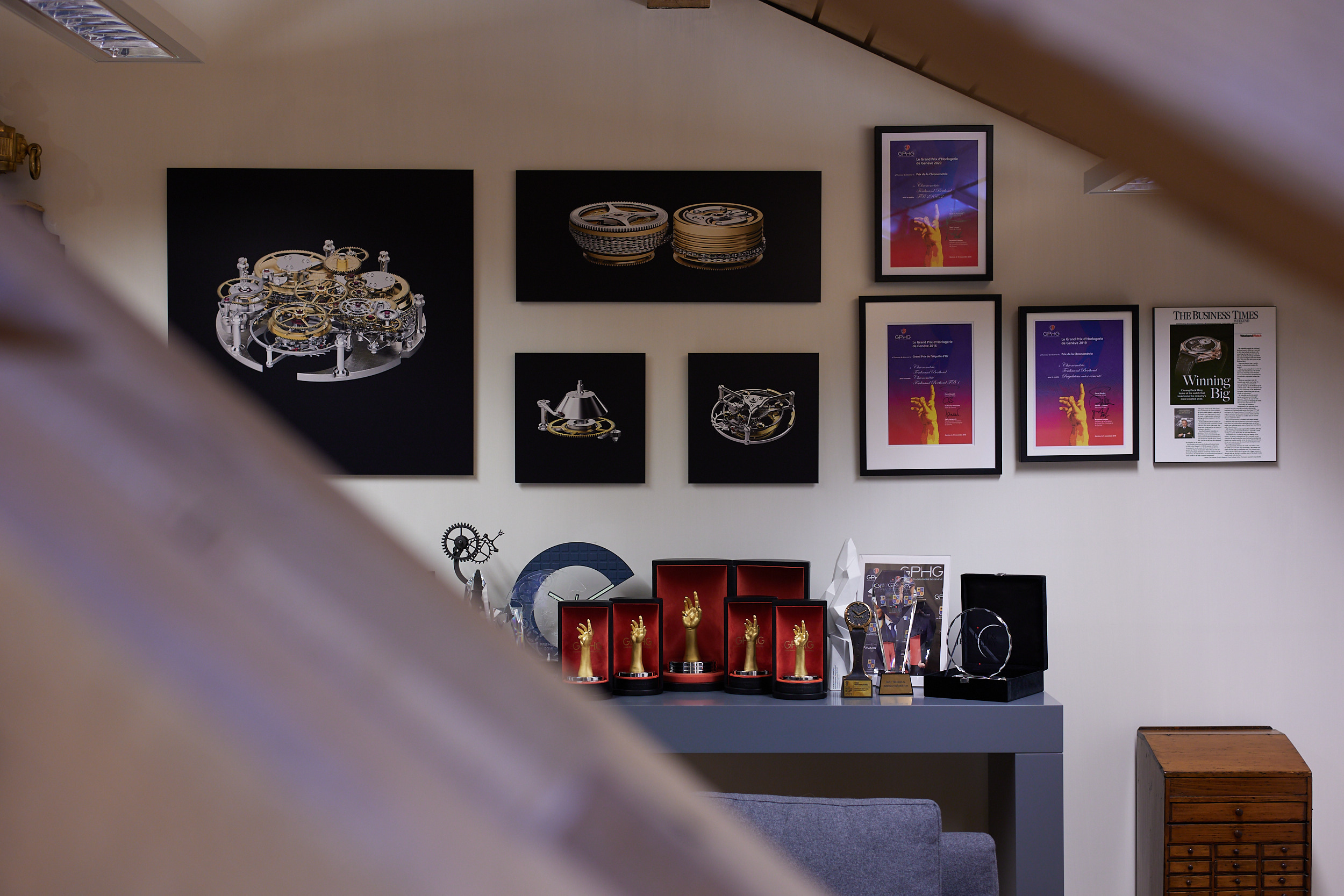
For the Ferdinand Berthoud team, embarking on a project spanning over five years was far more than a fad. While walking the long-forgotten paths of the predecessors, wrestling with the emerging technical difficulties has proven to be a strong cohesion power among the coworkers. Discussing ideas and even more the hardships of the many trials have brought them closer not only to the solution but to each other. A short break from the highly concentrated micro-mechanical work at the desk became not only a much-needed stretch for the tired body but also an opportunity to brainstorm together. Intellectual companionship, the shared enthusiasm for smart beautiful mechanisms, the freedom of creation, the many international acknowledgments of the invested work, and the social bonding (e.g., the lively group lunches at the Chopard canteen) became the secret sauce of the Manufacture.
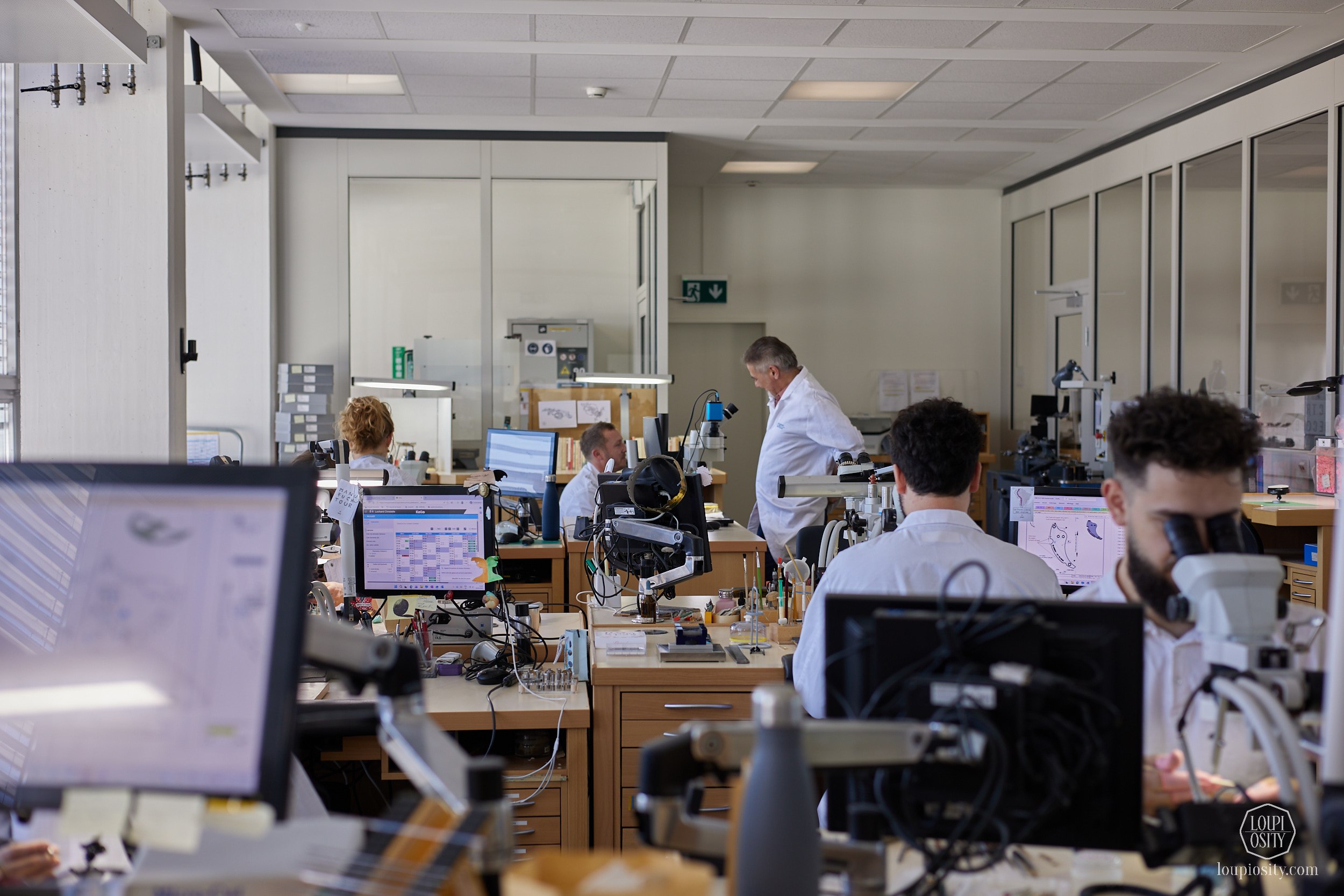
A culture that produces masterpieces like this naturally contributes to corporate branding. The modern Ferdinand Berthoud Manufacture established in 2015 can now use the notable success of its past 10 years to attract and retain talents. While it continues to create the rest of the ten Naissance d’une Montre 3 pieces, Atelier Traditionel is open for young watchmakers who want to immerse themselves into the centuries-old techniques and machines. Who knows, maybe you’ll enjoy the joint discovery and want to stick around for a little longer.
Chronometer testing
Let’s come back to chronometer testing for a while. The values for Naissance d’une Montre 3 piece are exceptionally good. However, the 50 years old ISO 3159 standard-based COSC Chronometer Certification has been criticized for not being strict enough (e.g., certifying uncased movements, no magnetic exposure, allowing higher rate tolerances).
Therefore, beyond obtaining the Chronometer Certification of an independent body (COSC), multiple brands applied more stringent criteria on top of it. Qualité Fleurier added accelerated ageing and wearing simulation while movement rating must be within the range of 0 to +5 seconds per day. Rolex introduced the Superlative Chronometer certification, which on top of a prior COSC certificate tests for a -2/+2 daily rate tolerance after casing and adds testing for magnetic resistance and waterproofness. Patek Philippe’s proprietary Seal goes even further, allowing -1/+2 daily rate difference for finished timepieces. Omega and the Swiss Federal Institute of Metrology (METAS) jointly developed the Master Chronometer certificate on top of COSC in 2015. In 2024, Swatch Group opened the Laboratoire de Précision, a new accredited testing lab operated by Omega and authorized by the Swiss Accreditation Service (SAS). SAS is the only body to consecrate chronometer testing laboratories in Switzerland, which opened a new competitive situation for chronometer testing.
Under this landscape, it’s no wonder that COSC has introduced a new Excellence Chronometer Certification in February 2026, which reduces the daily rate tolerance to -2/+4 seconds of encased timepieces, tests for magnetic resistance under a field of 200 Gauss, verifies power reserve, and simulates the wear in 6 semi-dynamic positions. The COSC Excellence Chronometer Certification is undergoing a pilot phase in March with more news expected during Watches and Wonders mid-April 2026.
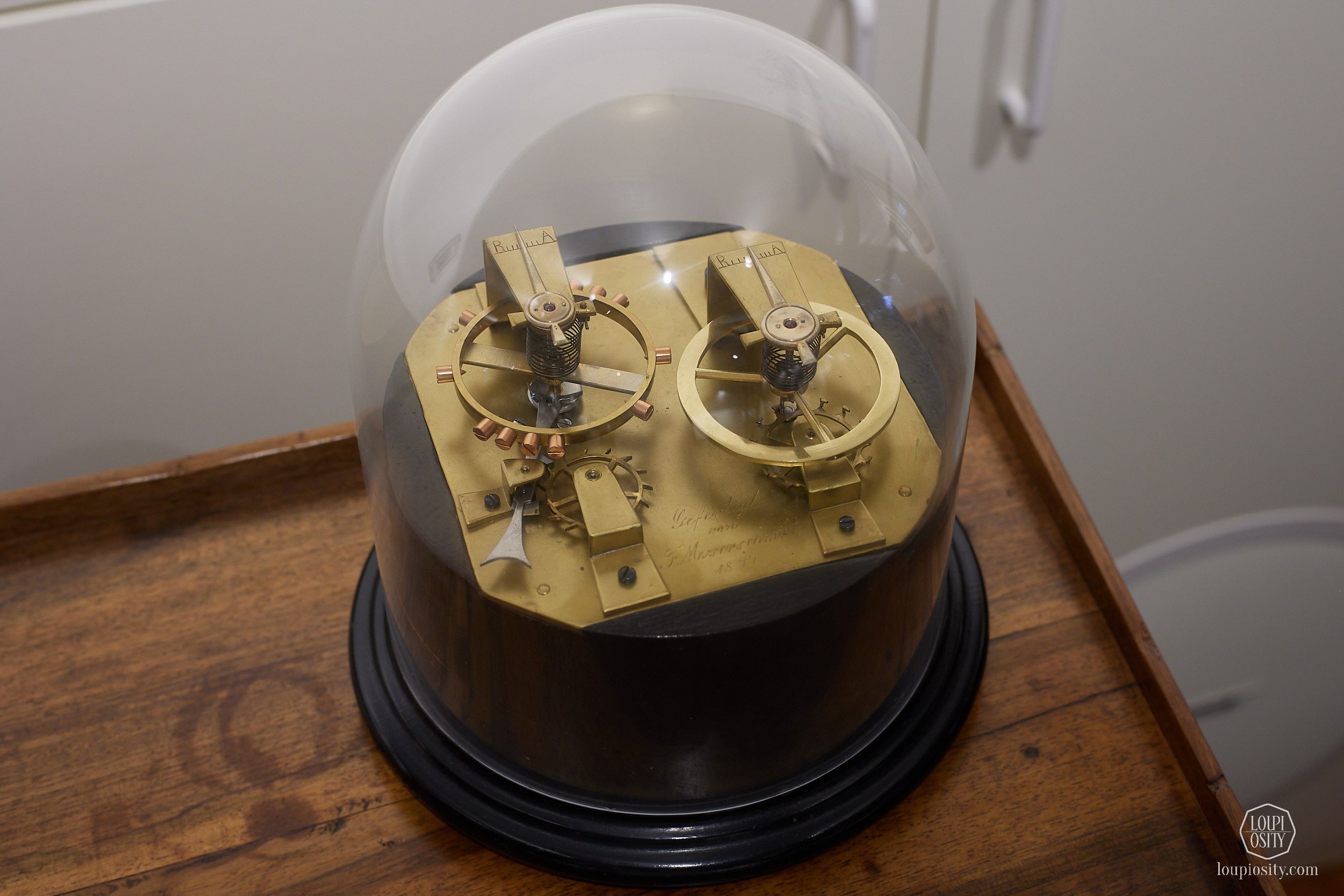
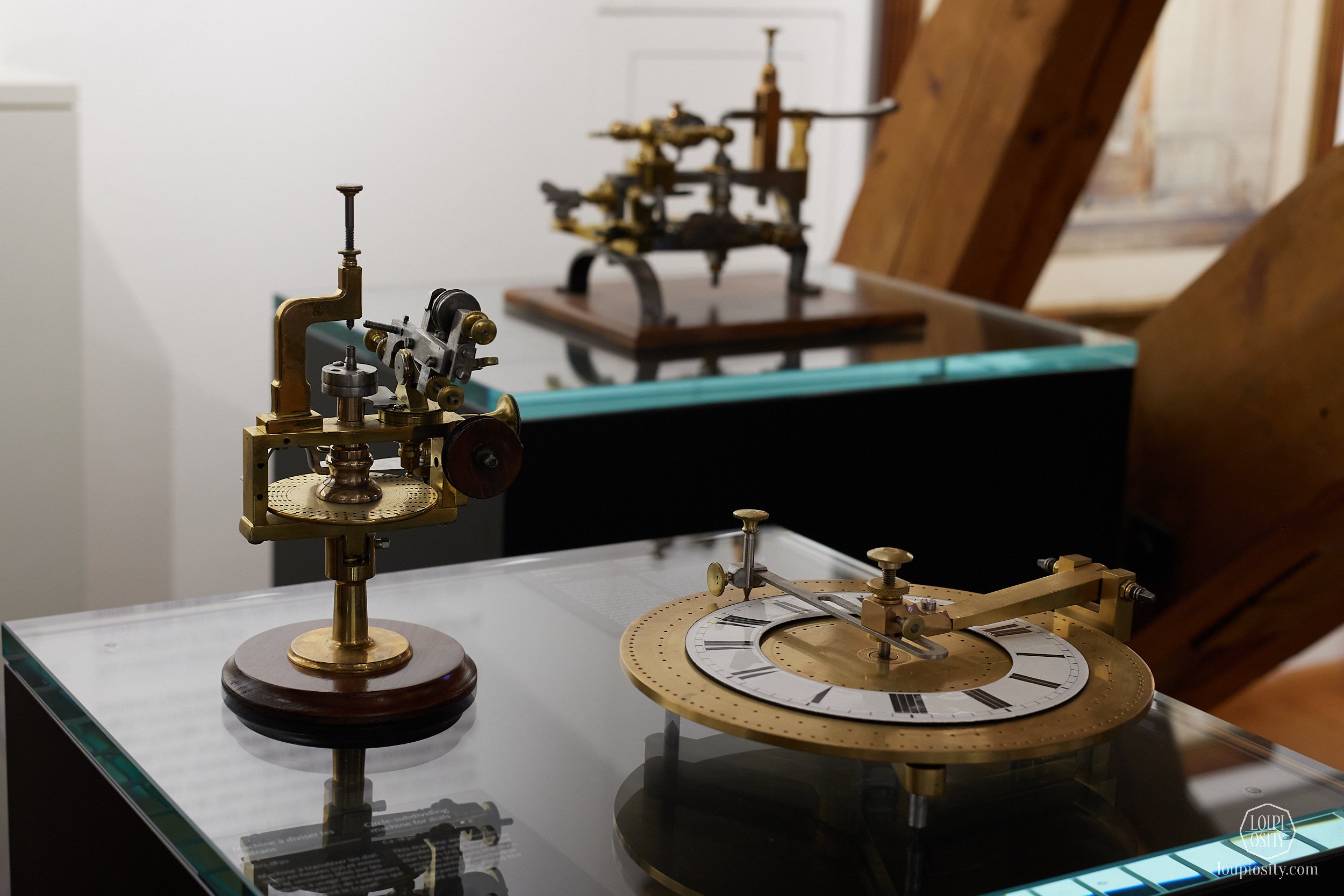
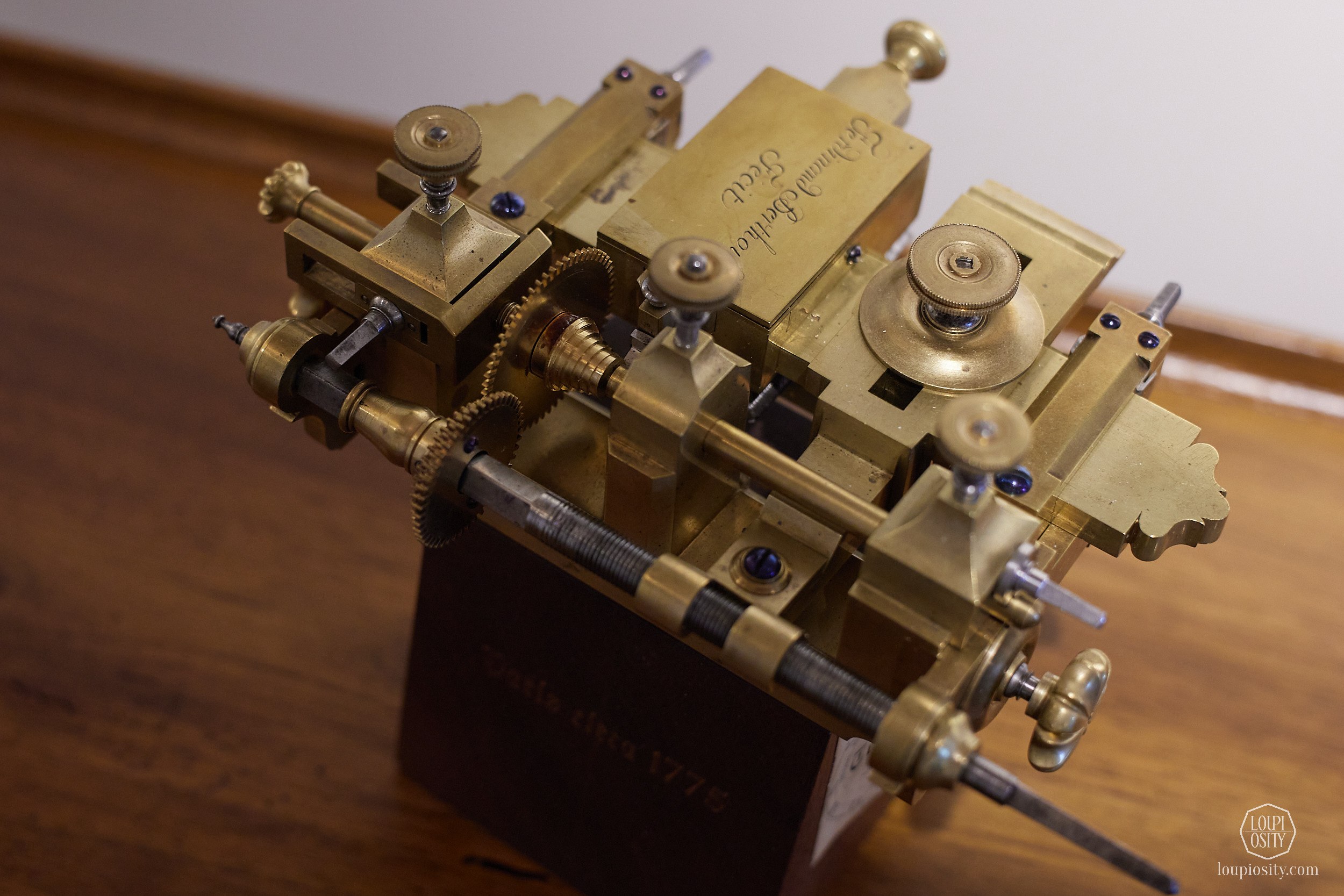
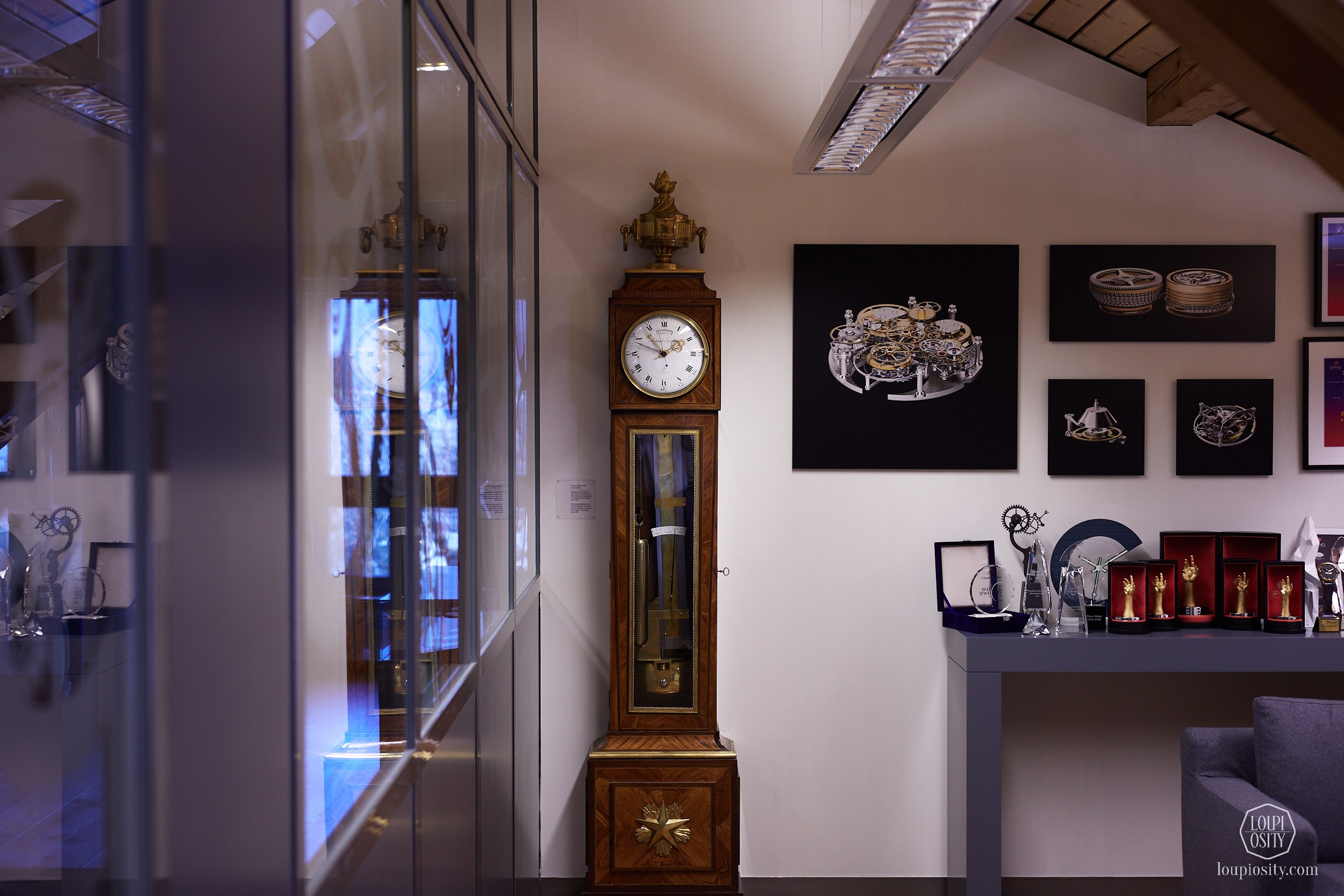
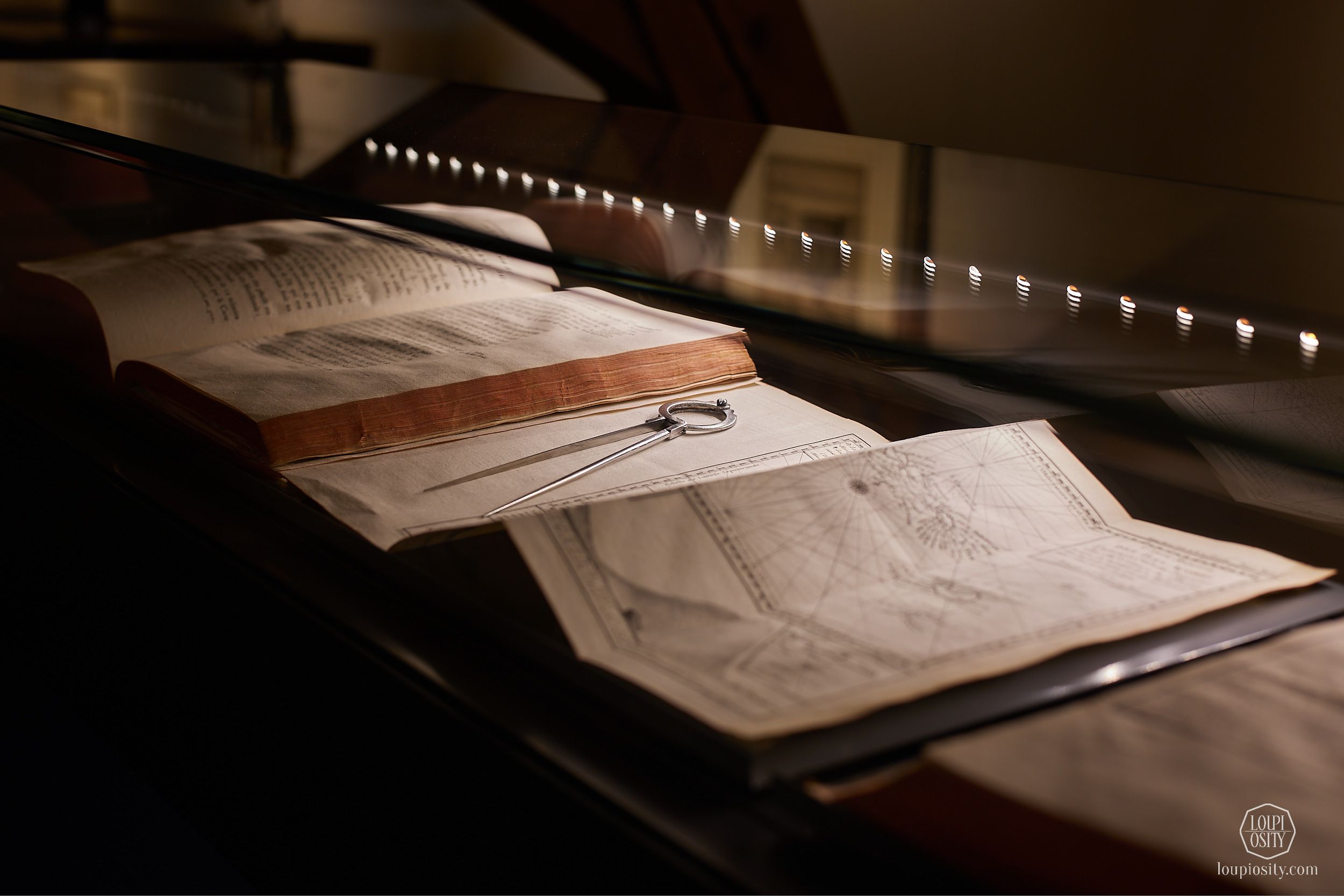
Photo credits: Loupiosity.com
All registered trademarks are property of their respective owners.
All rights reserved.