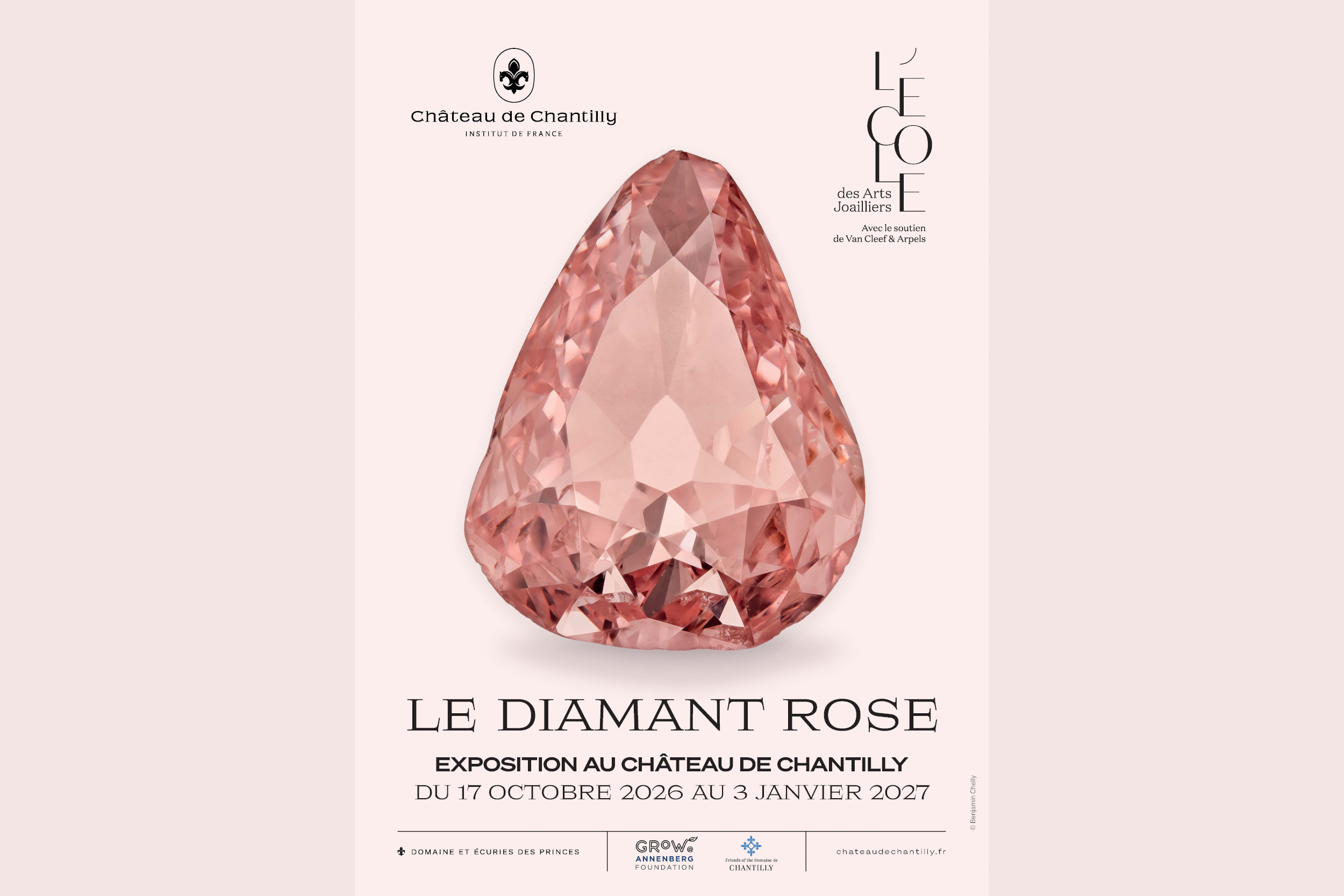
A special exhibition about a very special gemstone is on view at the Musée Condé in the Château de Chantilly, in partnership with L’ÉCOLE, School of Jewelry Arts, supported by Van Cleef & Arpels.
The Musée Condé at the Château de Chantilly is currently hosting a rare convergence of history and science with “The Pink Diamond,” an exhibition running from 17 October 2026 to 3 January 2027. In a partnership with L’ÉCOLE, School of Jewelry Arts, and supported by Van Cleef & Arpels, the museum presents the story of the “Grand Condé,” a historic gemstone weighing over 9 carats.
The exhibition showcases the culmination of an interdisciplinary research project that has peeled back centuries of mystery surrounding one of France’s most interesting gem treasures.
On 20 October “The Pink Diamond: Secrets Revealed” online talk brought together the exhibition’s two curators, Mathieu Deldicque, (Chief Heritage Curator, Director of the Musée Condé and the Living Museum of the Horse at the Château de Chantilly), Marie-Laure Cassius-Duranton (Art Historian and Gemologist at L’ÉCOLE, School of Jewelry Arts); Emmanuel Fritsch (Professor of Physics and Gemologist at the University of Nantes), and Florent Guérif (Art Historian, Jeweler and Lecturer at L’ÉCOLE, School of Jewelry Arts).
A Storied Provenance
The history of the Pink Diamond is as interesting as its hue. Its journey through French aristocracy is well-documented in newly uncovered archives. First documented in 1740 following the death of Louis Henri de Bourbon, Prince of Condé, the diamond became a cornerstone of the Condé treasury.
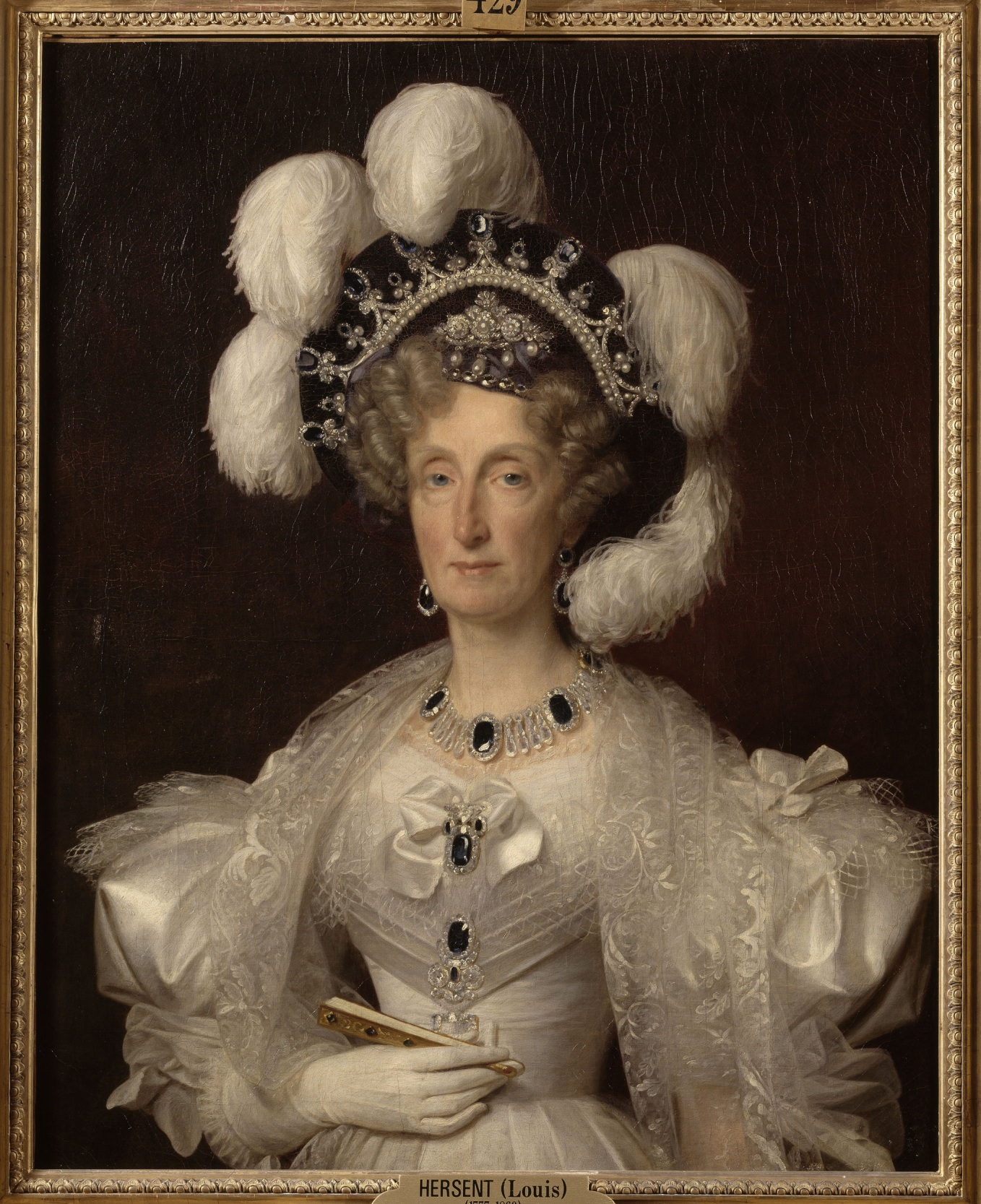
The stone later entered the possession of Queen Marie-Amélie of Bourbon-Sicily, who originally intended it for her grandson, Louis of Orléans. However, the prince’s untimely death shifted the jewel to his father, Henri of Orléans, the Duke of Aumale. He eventually bequeathed his entire collection, including the Pink Diamond, to the Institut de France, ensuring its permanent home at the Château.
Yet, the diamond’s narrative took a sensational turn in the 20th century. In October 1926, the jewel was stolen during a burglary. The subsequent recovery, weeks later, revealed a detail that has since become part of local legends: the diamond had been hidden inside an apple and left in a hotel room where the thieves were sheltering. A hotel chambermaid named Suzanne Schiltz found the apple and wanted to eat it – and found the missing pink gem.
Unlocking Gemological Secrets
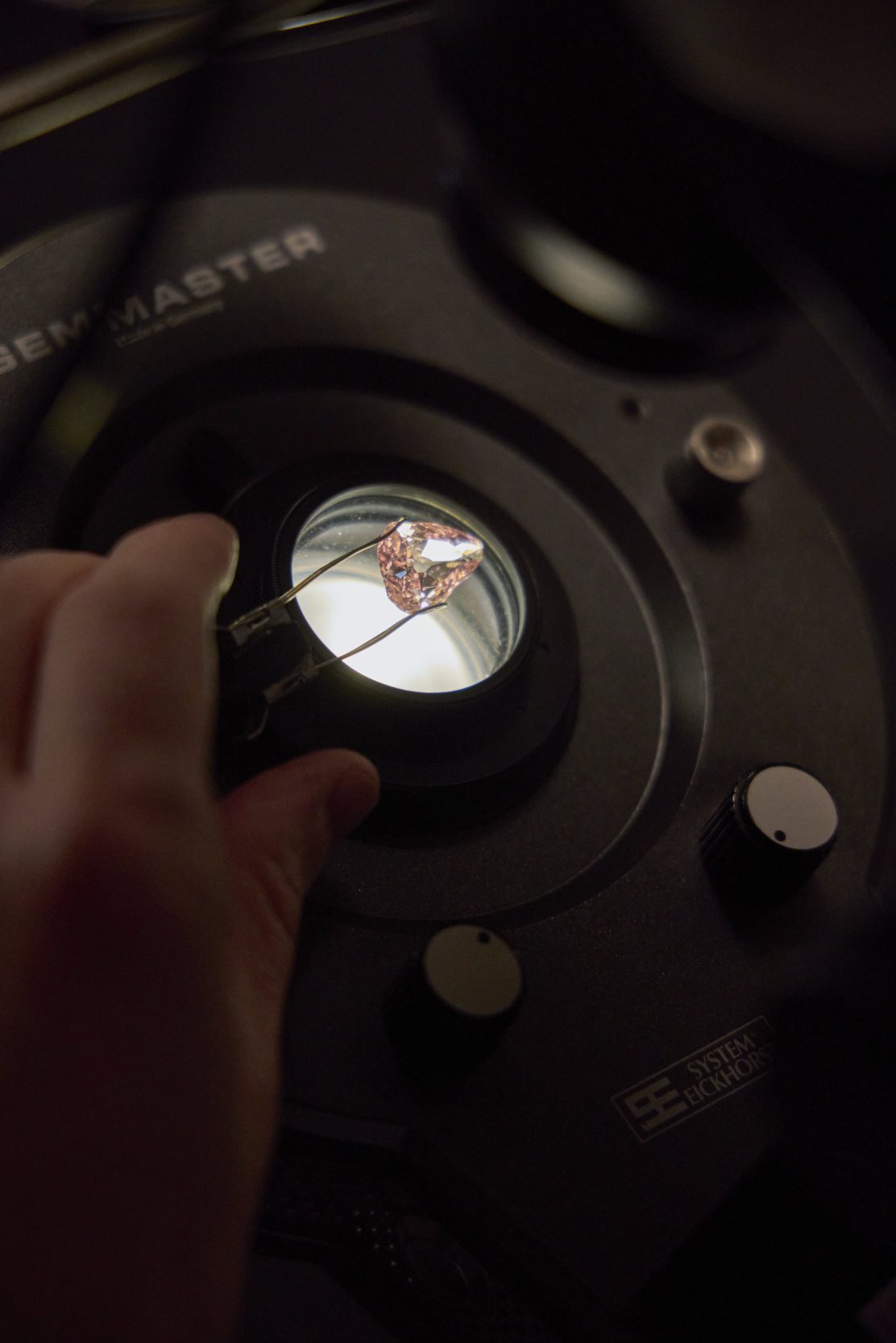
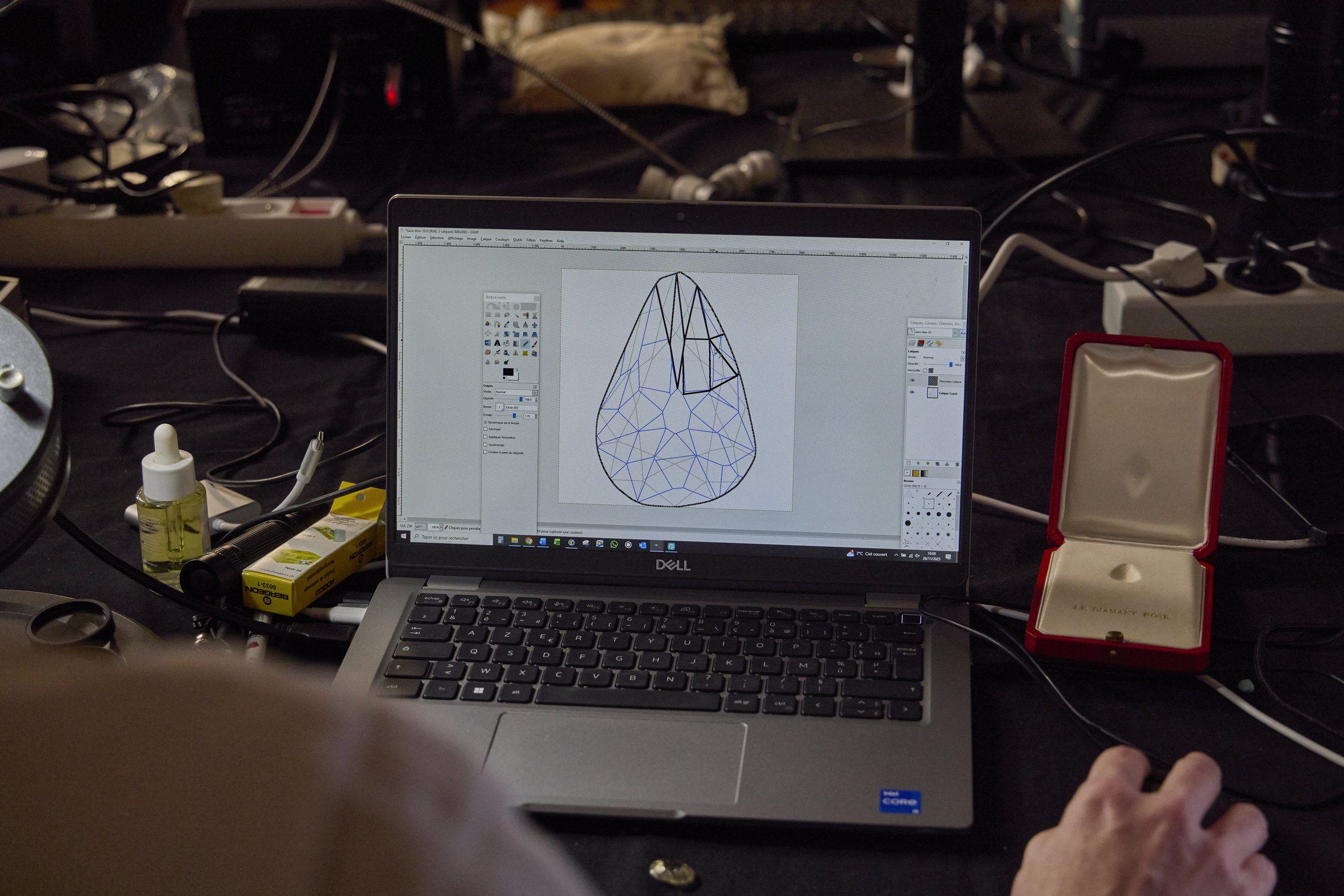
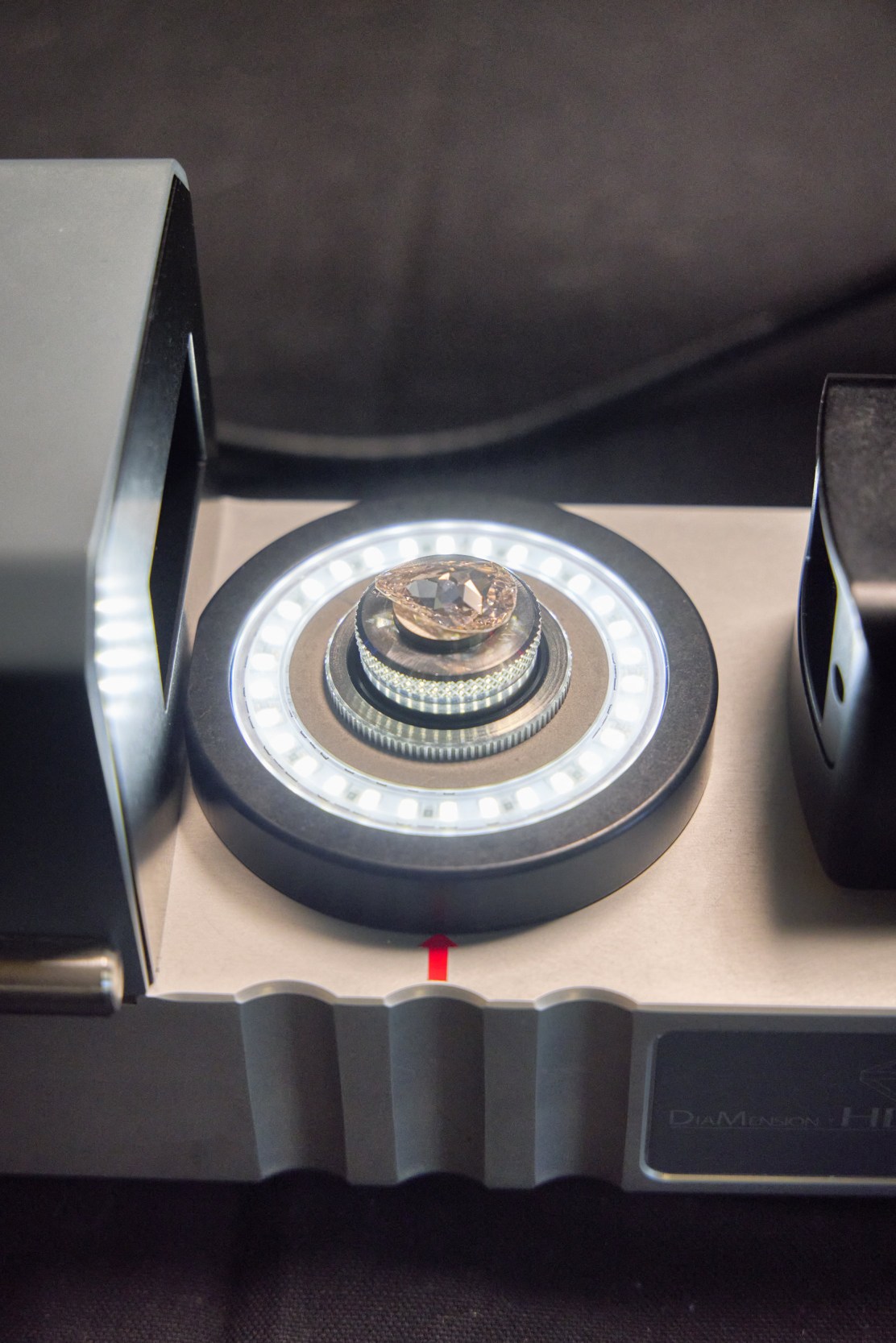
A rigorous scientific inquiry was undertaken by the Musée Condé and L’ÉCOLE, the first of its kind for a diamond of this caliber. A team of experts, including Emmanuel Fritsch, professor emeritus of physics and gemologist at the University of Nantes, alongside Aurélien Delaunay and Annabelle Herreweghe from the French Gemological Laboratory (LFG), utilised advanced tools like automated profilometers and microscopes to study the stone.
The scientists have determined that the diamond’s exceptional pink color stems from physical characteristics rarely observed in nature. These findings significantly enrich the understanding of historic French diamonds and offer new perspectives on the broader history of gemstones.
Diamond is the hardest known natural mineral. It is typically about 99.95 percent carbon. The other 0.05 percent can include one or more trace elements, some of these can influence its colour or crystal shape. With regards to “white diamonds” the colour is more like the “lack of colour”. The white colour grading scale at GIA (the Gemological Institute of America) goes from D-to-Z, where D-F is colourless, G-J is near colourless, K-M faint colour, N-Z light colour, but not fancy coloured diamonds.
Contained elements can be nitrogen or boron, acquired naturally during the course of formation (in some cases elements can be added as the result of treatment or synthesis in a laboratory, but that was not a feasible option in the 18th century). Depending on this element, we can divide diamonds into two main type categories: Type I which contains some nitrogen impurities and Type II which doesn’t.
Type I breaks down into two further groups: Ia and Ib. In Type Ia diamonds the nitrogen atoms are in groups, these stones are colourless or yellow. The vast majority of natural diamonds belong to this group. The nitrogen atoms in the Type Ib diamonds are spread, isolated and the colours are orange, yellow or brown (about less than 0,1% of the diamonds).
Type II diamonds have virtually no measurable nitrogen impurities – but as Marie-Laure Cassius-Duranton underlines, nowadays gemologists have much more sensitive tools to discover much smaller amount of impurity.
They have two further subcategories, too: Type IIa and IIb. Type IIa diamonds make up 1–2% of all natural diamonds. These diamonds usually have very good clarity and many of them are colourless or have a nice yellow, orange, pink, red, or blue colour.
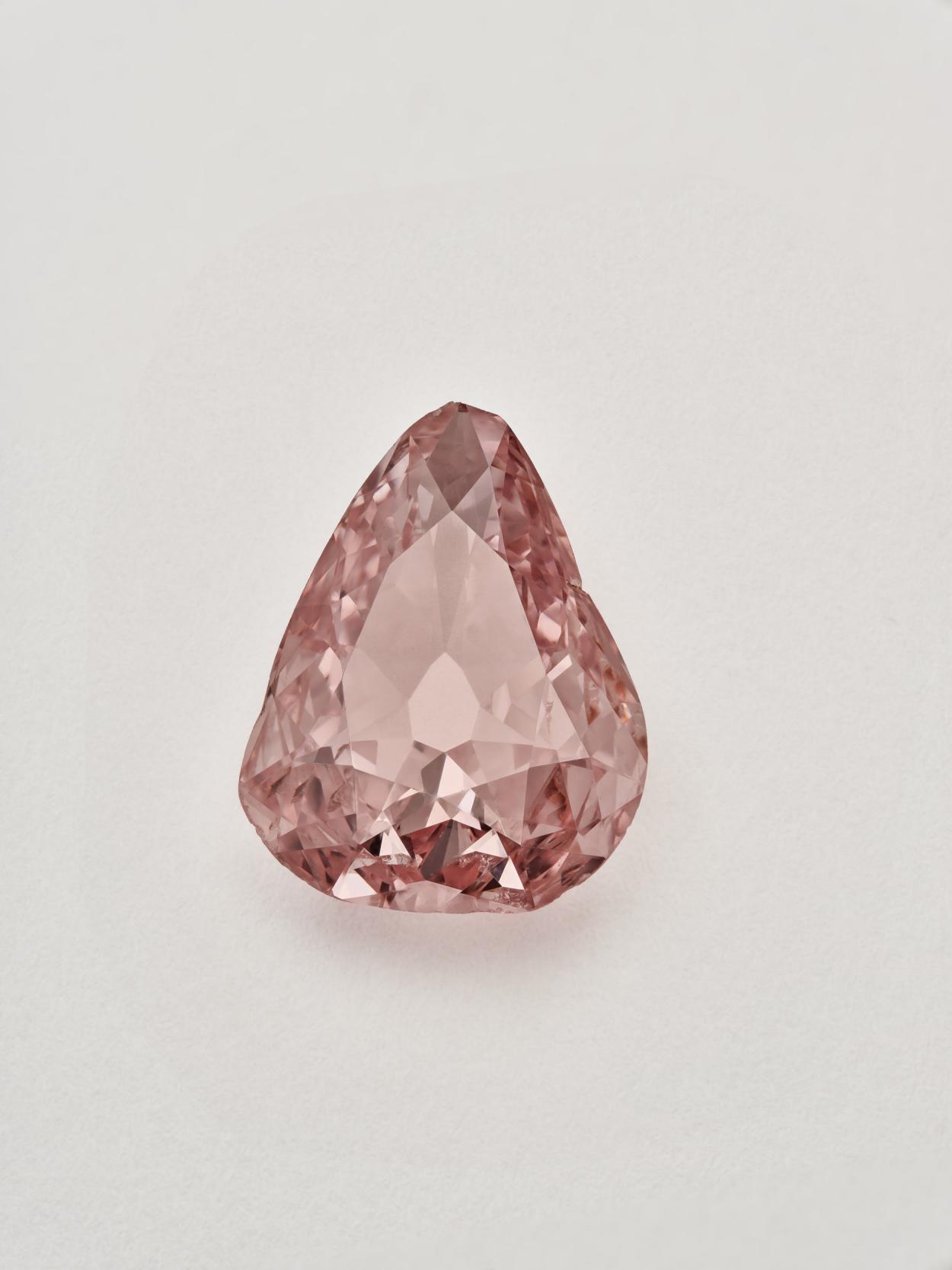
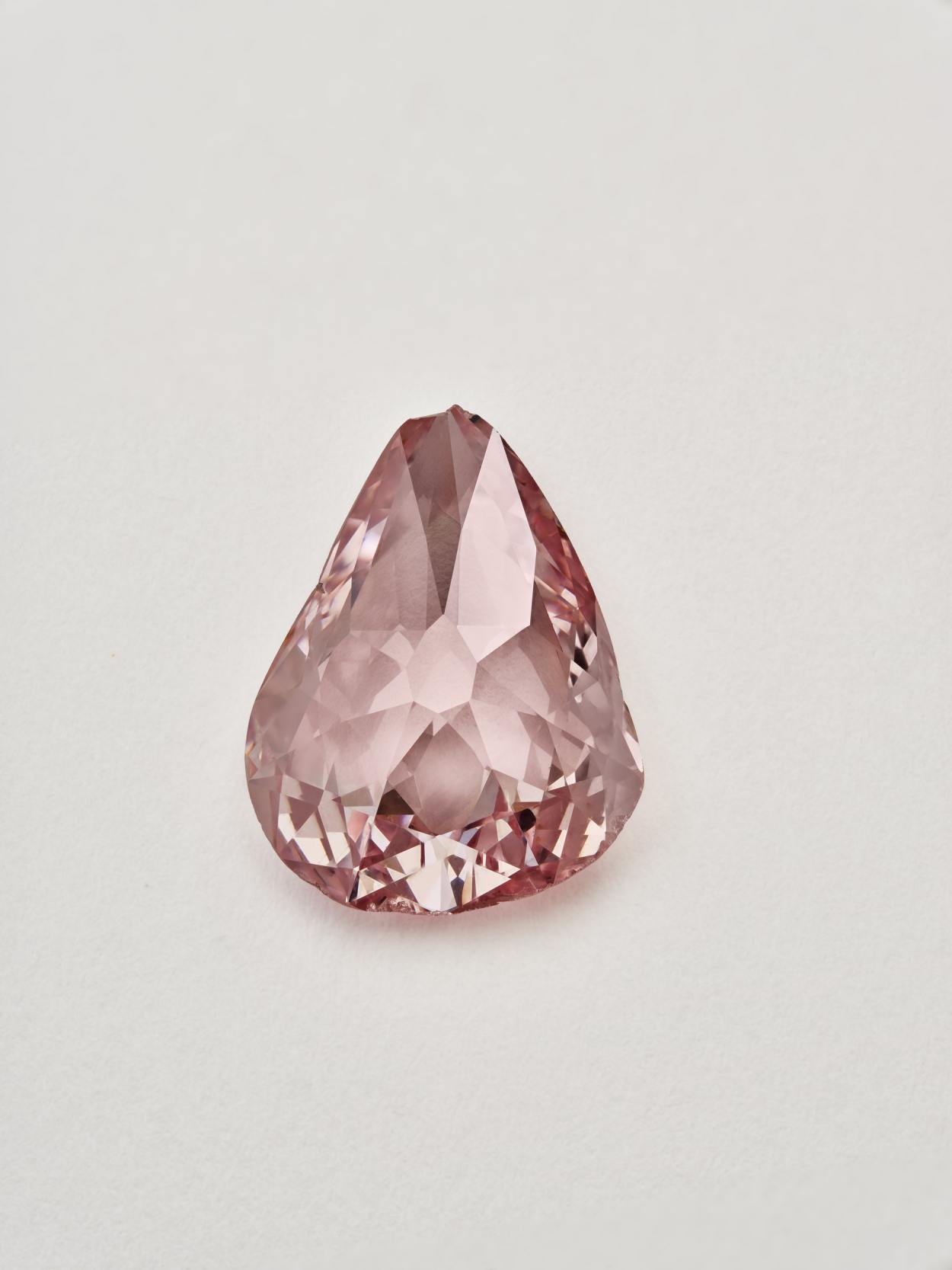
The Grand Condé is a Type IIa diamond, meaning it is virtually free of nitrogen. It shows an homogeneous fancy pink coloration with a subtle orangey component, and no discernable colored graining.
The Exhibition Experience
Located in the Gem Room and the Gallery of Psyche, the display features previously unseen archival material, historical photographs, press cuttings, and investigation documents. These elements reconstruct the timeline of the 1926 theft, the search for the missing stone, and its eventual return.
The exhibition transforms the visitor from a passive observer into a participant in a gemmological inquiry, revealing how modern science can breathe new life into historical artifacts.
You can access the exhibition with a standard 1-day ticket to the Château de Chantilly. For more details, visit the website of the museum.
Source: press release. Photo credits: Courtesy of L’ÉCOLE, School of Jewelry Arts.
All registered trademarks are property of their respective owners.
All rights reserved.


