The skies have always fascinated IWC, but 2026 marks a decisive turning point in the transition from terrestrial aviation to the conquest of outer space. At Watches and Wonders, the Manufacture presented the Pilot’s Venturer Vertical Drive, the first timepiece engineered and certified for human spaceflight. The Big Pilot’s Watch Perpetual Calendar Ceralume® glowed from head to toe, while the Portofino collection joins celebrating the 20th anniversary of the Le Petit Prince edition.
IWC Schaffhausen has maintained a profound connection with aviation since the 1930s, evolving from the iconic Mark XI to the modern Top Gun series. This heritage is deeply rooted in the stories of pilots like IWC’s own Hombergers (Hans and Rudolf, certified pilots and sons of Ernst Jakob Homberger CEO of IWC at the beginning of the 20th century) or the famous writer and aviator Antoine de Saint-Exupéry, who relied on robust instrument watches during the early days of flight.
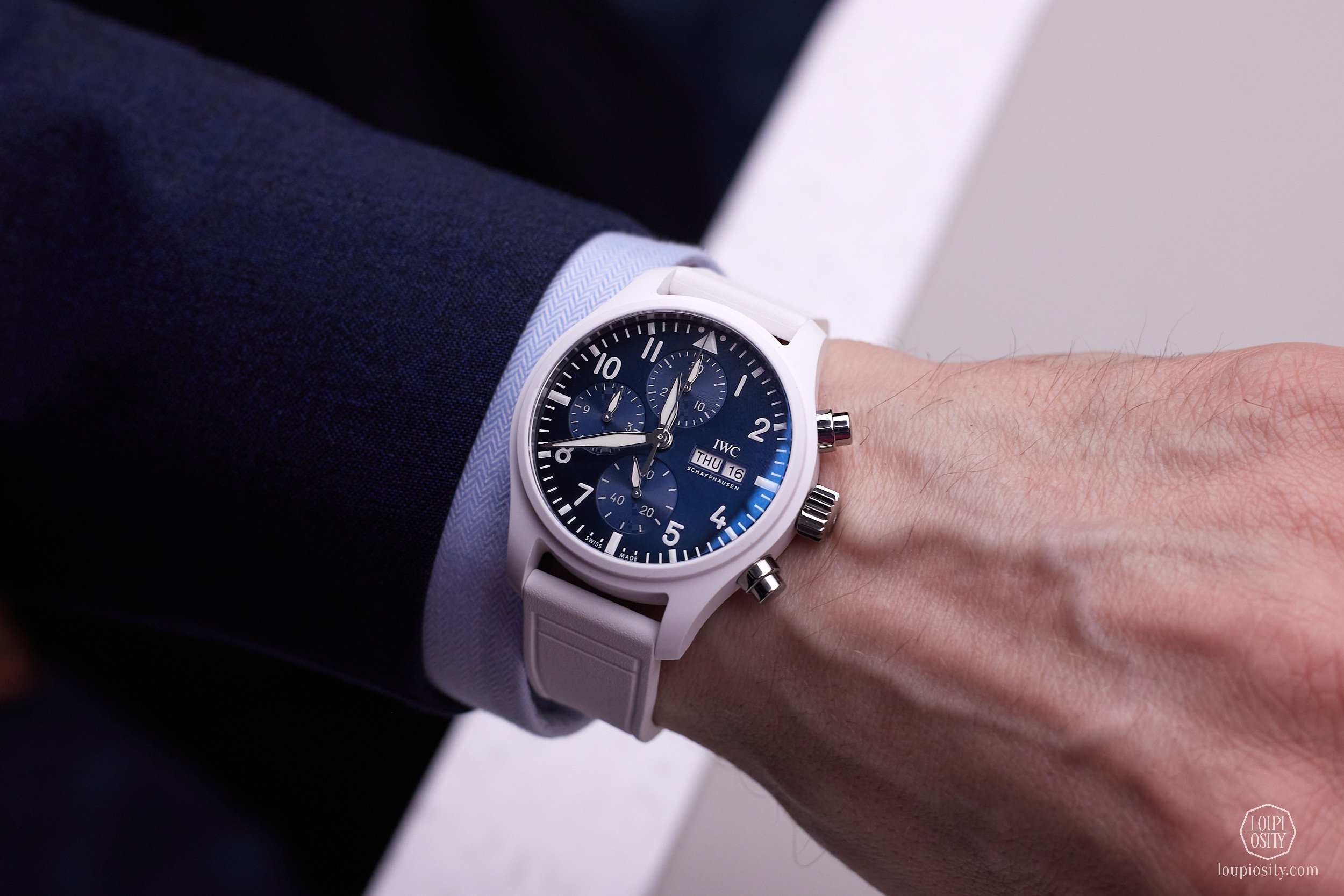
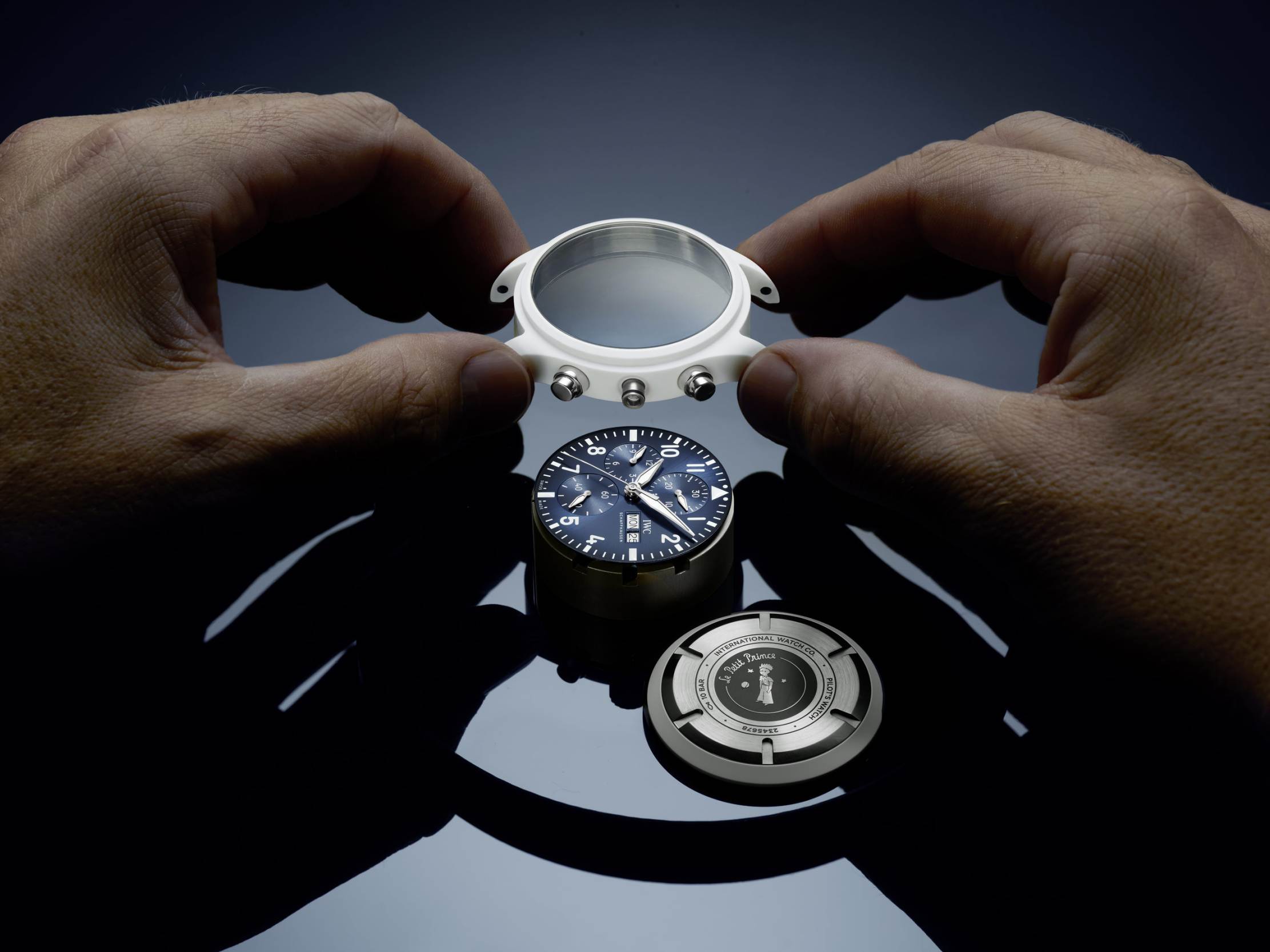
IWC’s Le Petit Prince edition is a tribute to the writer and his restless flying spirit through the character of his own creation. 2026 marks the 20th anniversary of the Manufacture’s collaboration with the heirs of Antoine de Saint-Exupéry. In this occasion they introduced a number of new Pilot’s models, and interestingly the first Le Petit Prince edition in the Portofino collection.
Leaving his asteroid to explore various planets of the universe, the Little Prince ended up on Earth. IWC is preparing to fly the opposite direction: from the Earth to the cosmos. While previous IWC timepieces have traveled to space via missions like Inspiration4 and Polaris Dawn, those were adaptations of terrestrial aviation watches. In a partnership with VAST (the company developing next-generation space stations), the watch manufacture is sending the Pilot’s Venturer Vertical Drive to outer space, a tool watch specifically designed for the unique demands of human spaceflight.
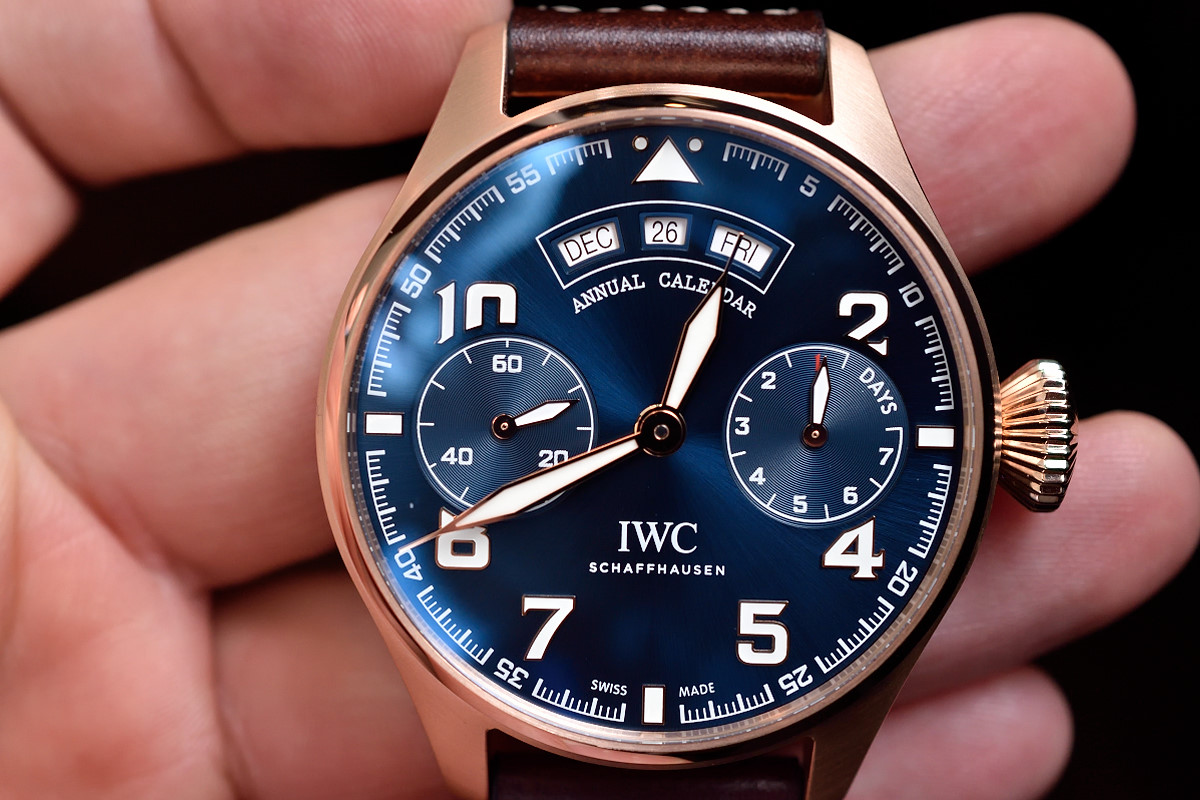
The aviation themed lineup is complemented by the Big Pilot’s Watch Perpetual Calendar Ceralume®, representing a breakthrough in luminous materials in series production.
Pilot’s Venturer Vertical Drive
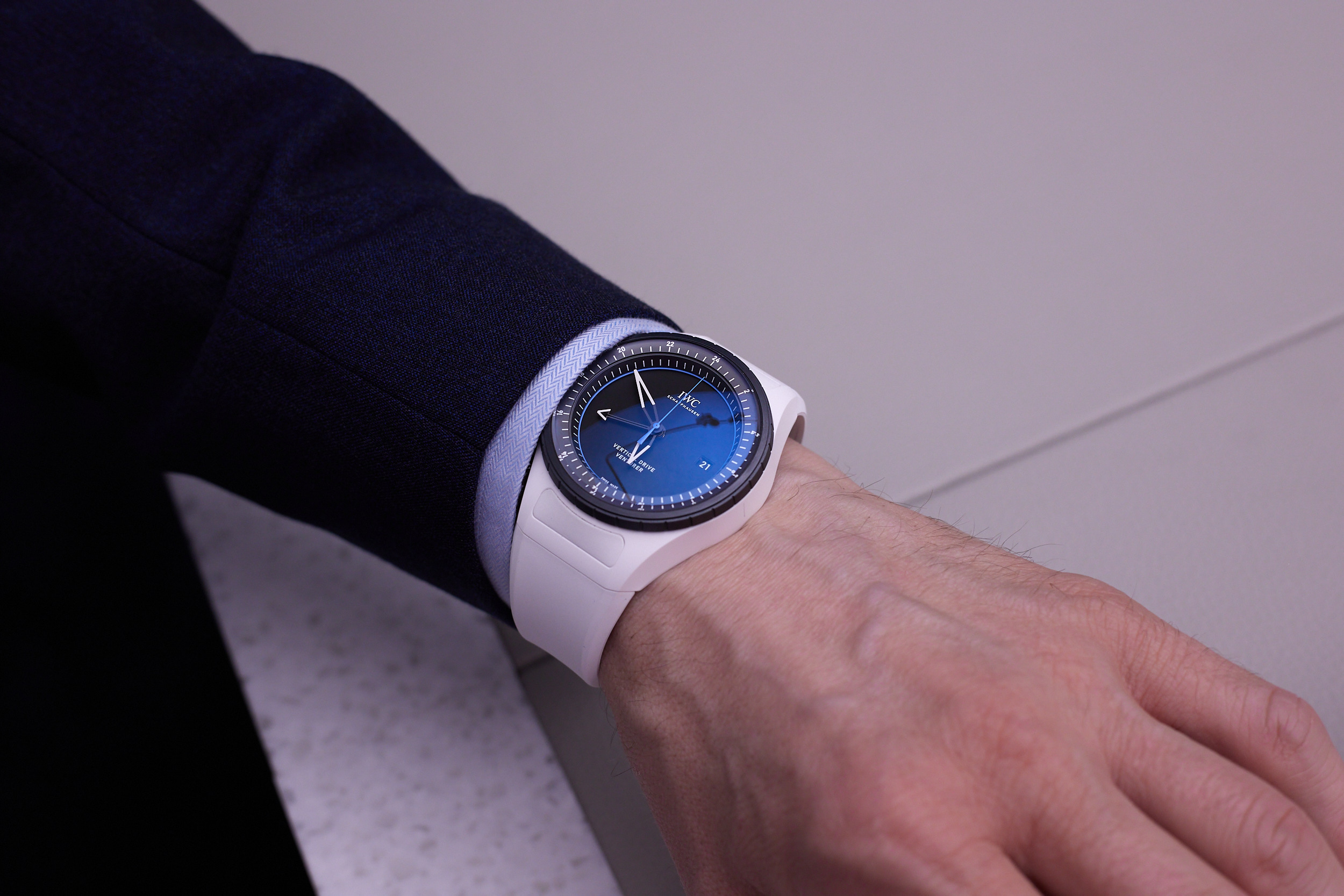
The centerpiece of IWC’s 2026 presentation is the Pilot’s Venturer Vertical Drive, a timepiece that redefines the concept of a tool watch. Designed from scratch, this watch was engineered specifically for the rigors of space, eliminating the traditional crown in favor of an innovative, patent-pending rotating bezel system. This design choice addresses the critical operational challenge of astronauts not being able to manipulate small crowns when wearing pressurized gloves during extravehicular activities (EVAs). Instead, a rocker switch on the case side allows the wearer to select functions such as winding or setting time zones, while the bezel transmits these movements to the internal mechanism via a “Vertical Drive” clutch system.
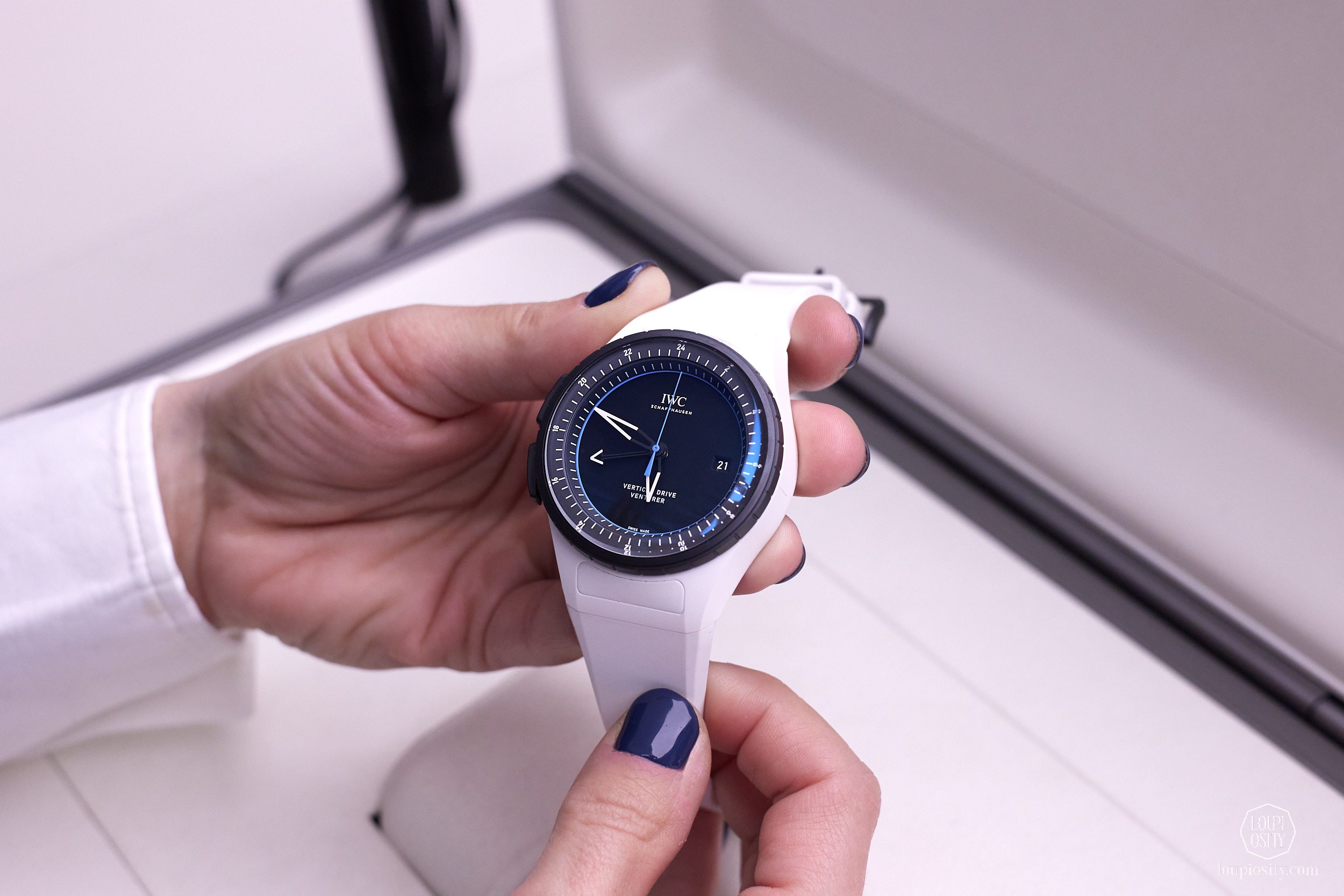
The aesthetic is deliberately minimalist and functional, reflecting the dynamic nature of the new space age. The case combines white zirconium oxide ceramic with Ceratanium®, a proprietary material that merges the lightness of titanium with the hardness of ceramic. This construction ensures immunity to the extreme temperature fluctuations of space, which can swing from over 100°C in direct sunlight to -150°C in shadow. The matte black dial avoids light reflection, featuring a 24-hour scale to help astronauts navigate the disorienting 90-minute orbital cycles that result in 16 sunrises and sunsets per day.
The phenomenon of experiencing approximately 16 sunrises and sunsets within a single 24-hour period is a direct consequence of the International Space Station’s (and future commercial stations like Haven-1) low Earth orbit. At an altitude of roughly 400 kilometers, these vehicles travel at speeds of about 28,000 kilometers per hour, completing a full revolution around the Earth in approximately 90 minutes. Because the station orbits the planet 16 times in a day, astronauts aboard witness the sun rising and setting once every orbit as they pass from the sunlit side of Earth into its shadow and back again. This rapid cycle disrupts the natural circadian rhythms governed by the 24-hour day-night cycle on the surface, necessitating the use of Coordinated Universal Time (UTC) to maintain a consistent routine for work, rest, and biological health.
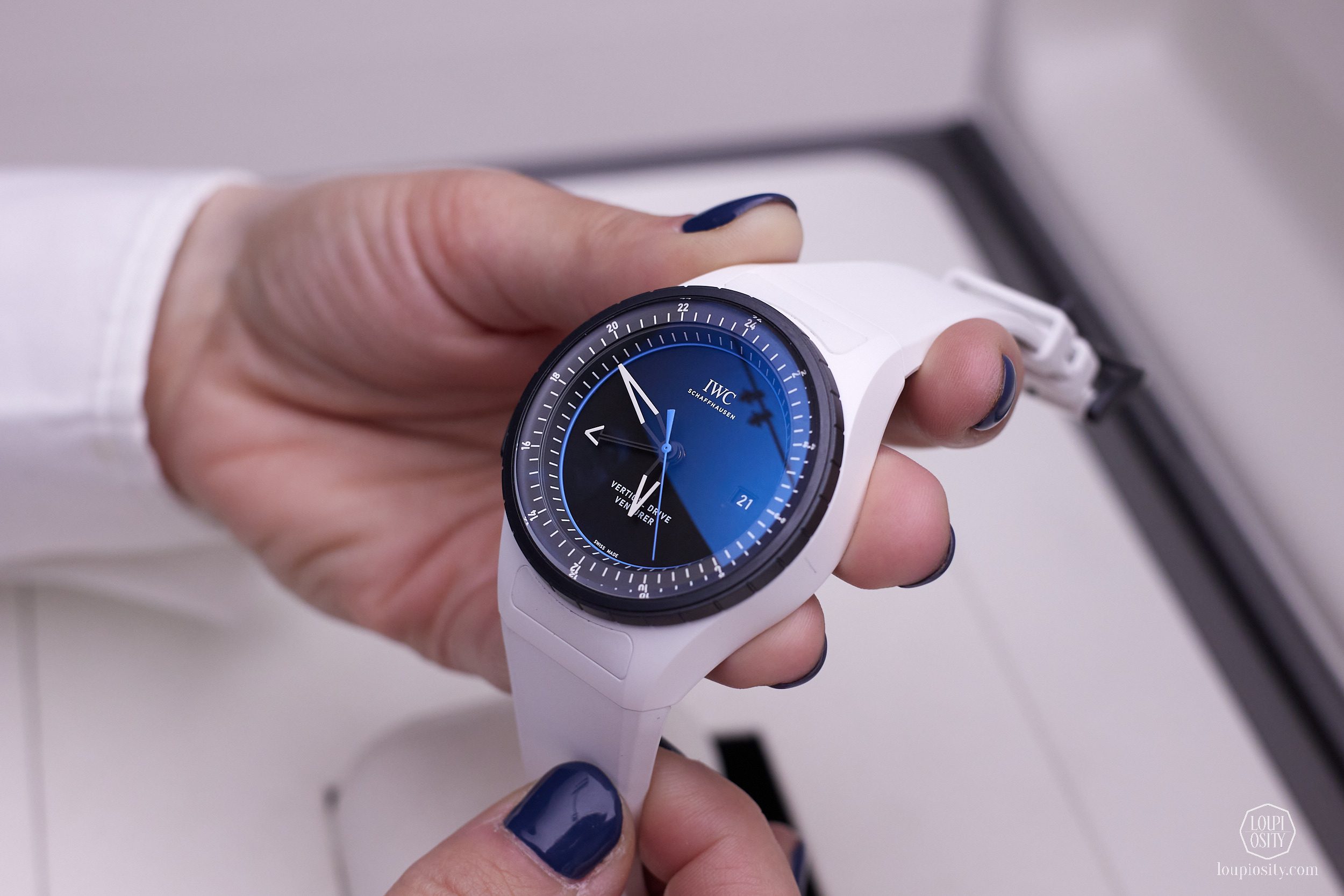
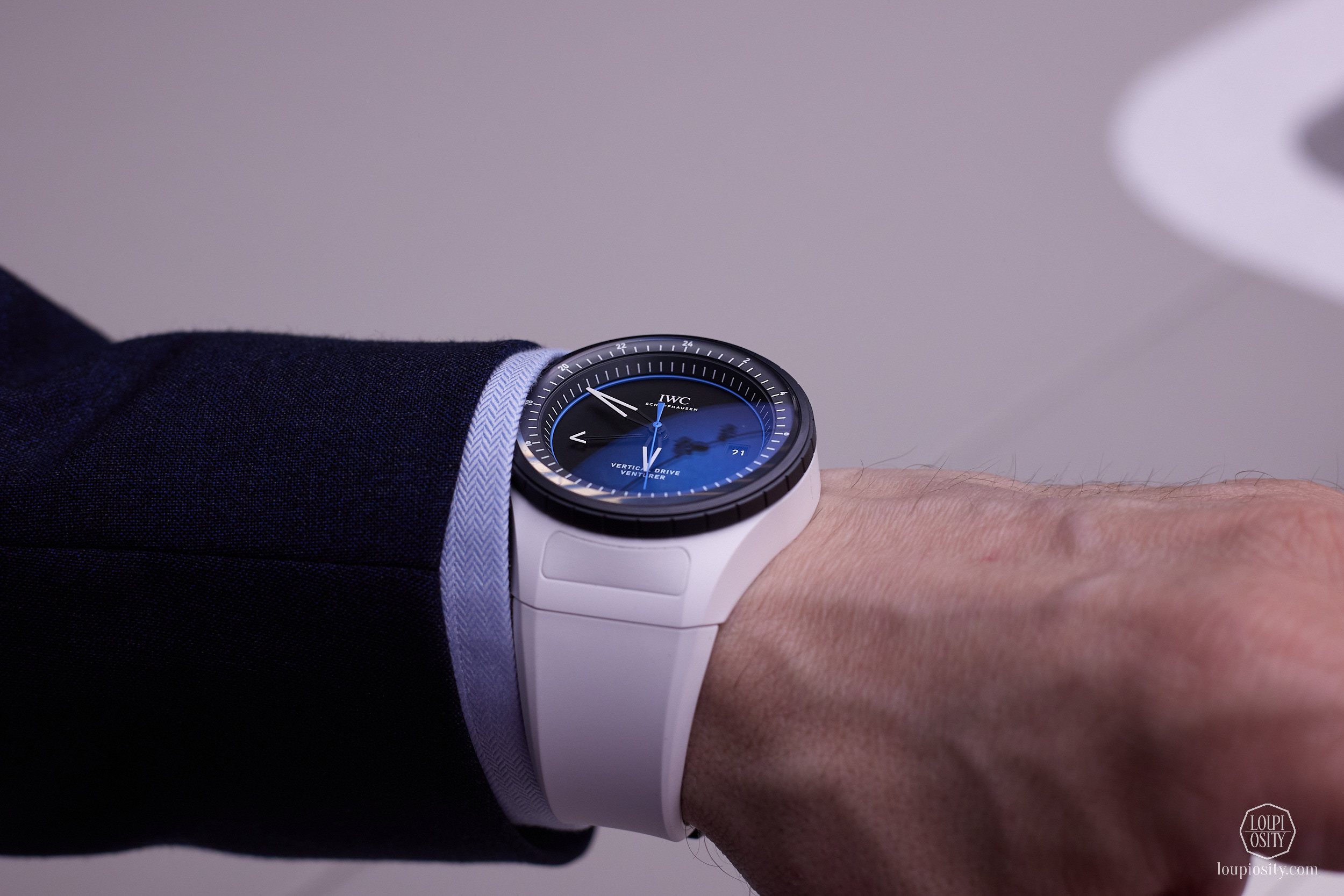
The central hands track mission time, while a secondary hand displays home time or a destination time zone, a feature that remains useful for frequent flyers upon return to Earth.
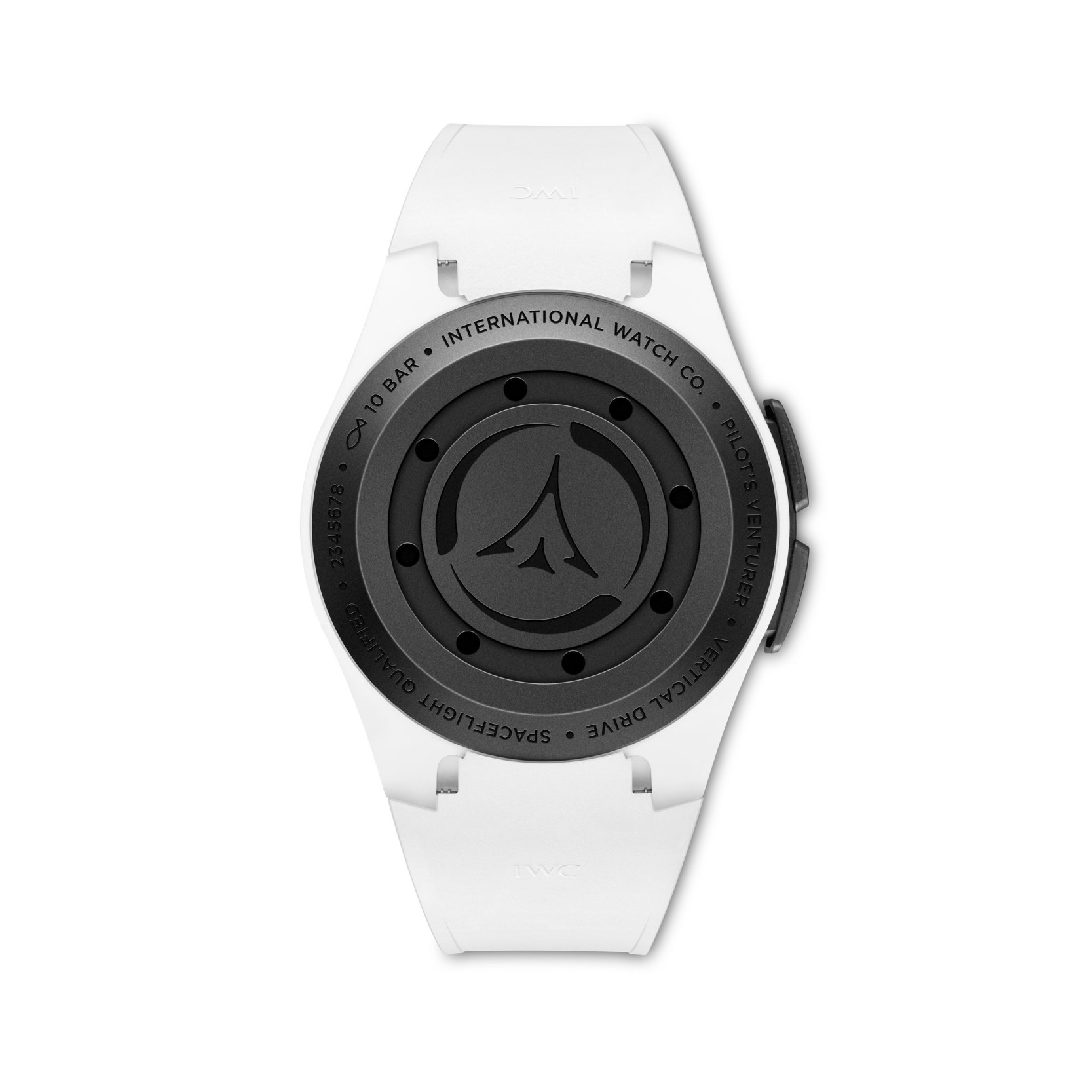
Crucially, the Pilot’s Venturer Vertical Drive has undergone rigorous testing by VAST, the developer of the Haven-1 commercial space station. Engineers subjected the watch to vibration forces exceeding 10g and verified its functionality under pressure changes. It has received official spaceflight qualification for the inaugural Haven-1 mission, scheduled for launch in 2027. This certification marks a historic milestone, making it the first IWC watch designed and engineered from the ground up for human spaceflight. The watch is powered by the IWC-manufactured calibre 32722, an automatic movement with a 120-hour power reserve and an integrated GMT module.
Portofino Automatic Day & Night 34 Le Petit Prince
While the Pilot’s collection looks outward to the stars, the Portofino line turns inward to the emotional core of Saint-Exupéry’s work. The Portofino Automatic Day & Night 34 Le Petit Prince marks the first time the brand has introduced a tribute to the novel within the elegant Portofino collection. This 34-millimetre stainless steel timepiece captures the essence of the Fox’s wisdom: “what is essential is invisible to the eye.”
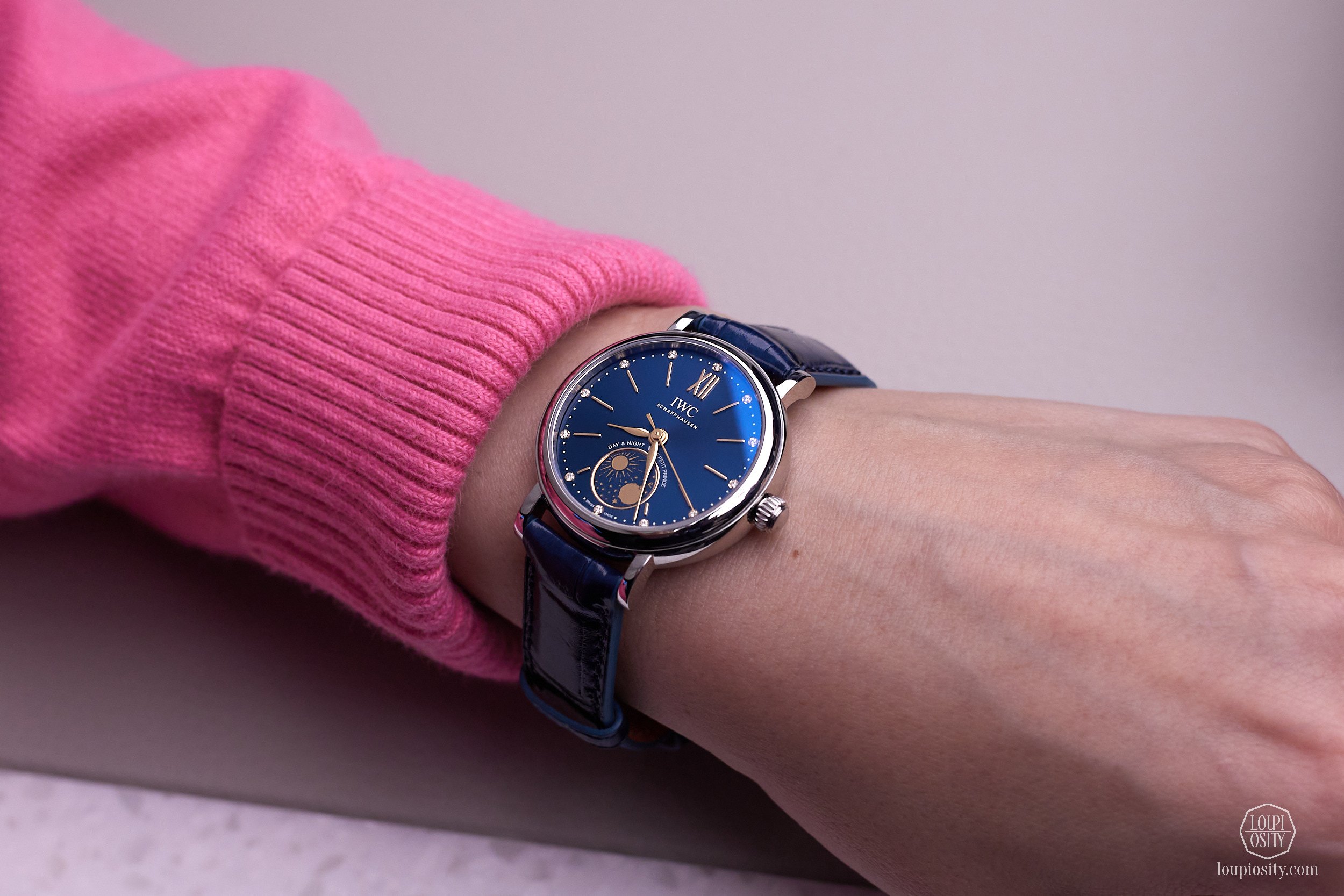
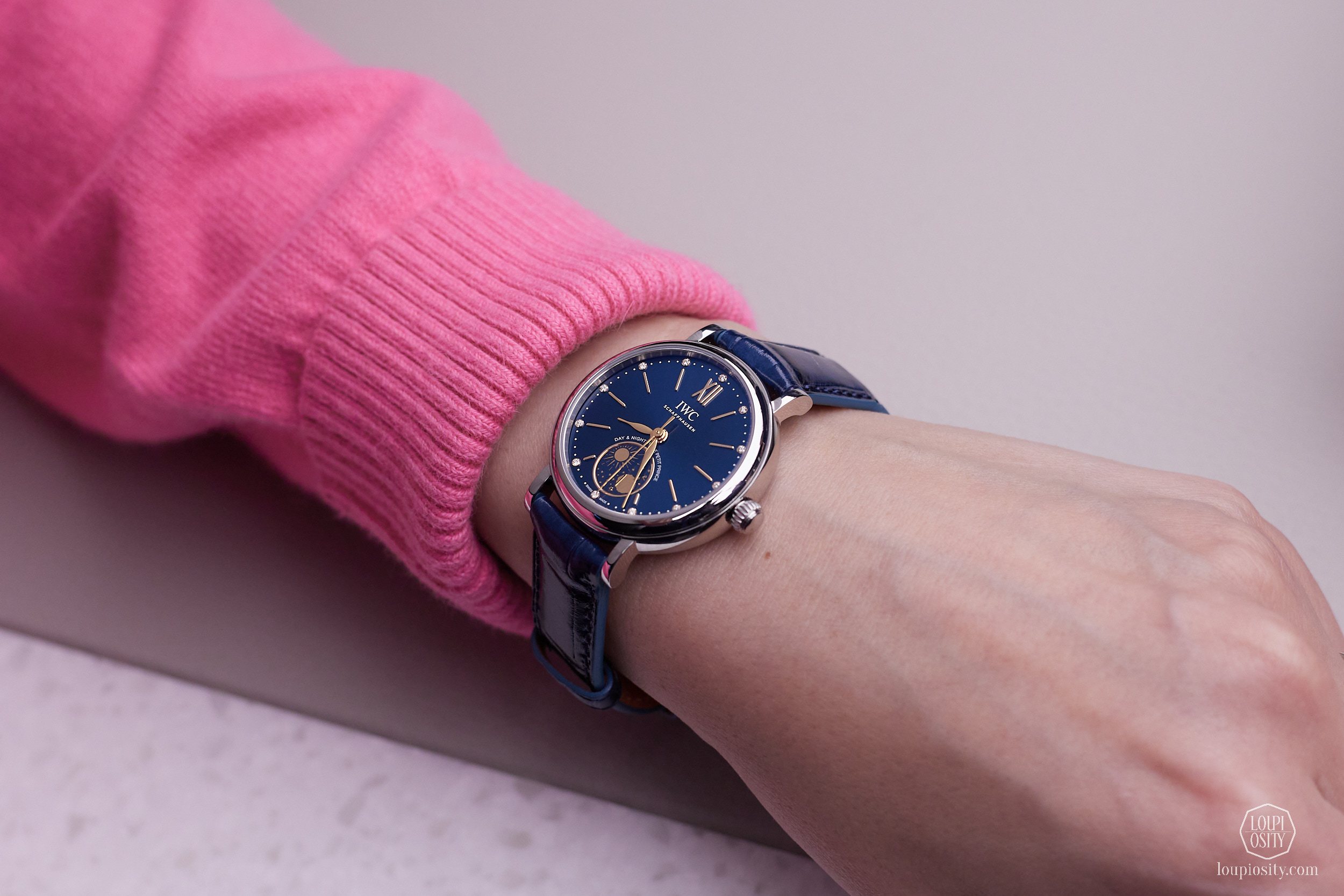
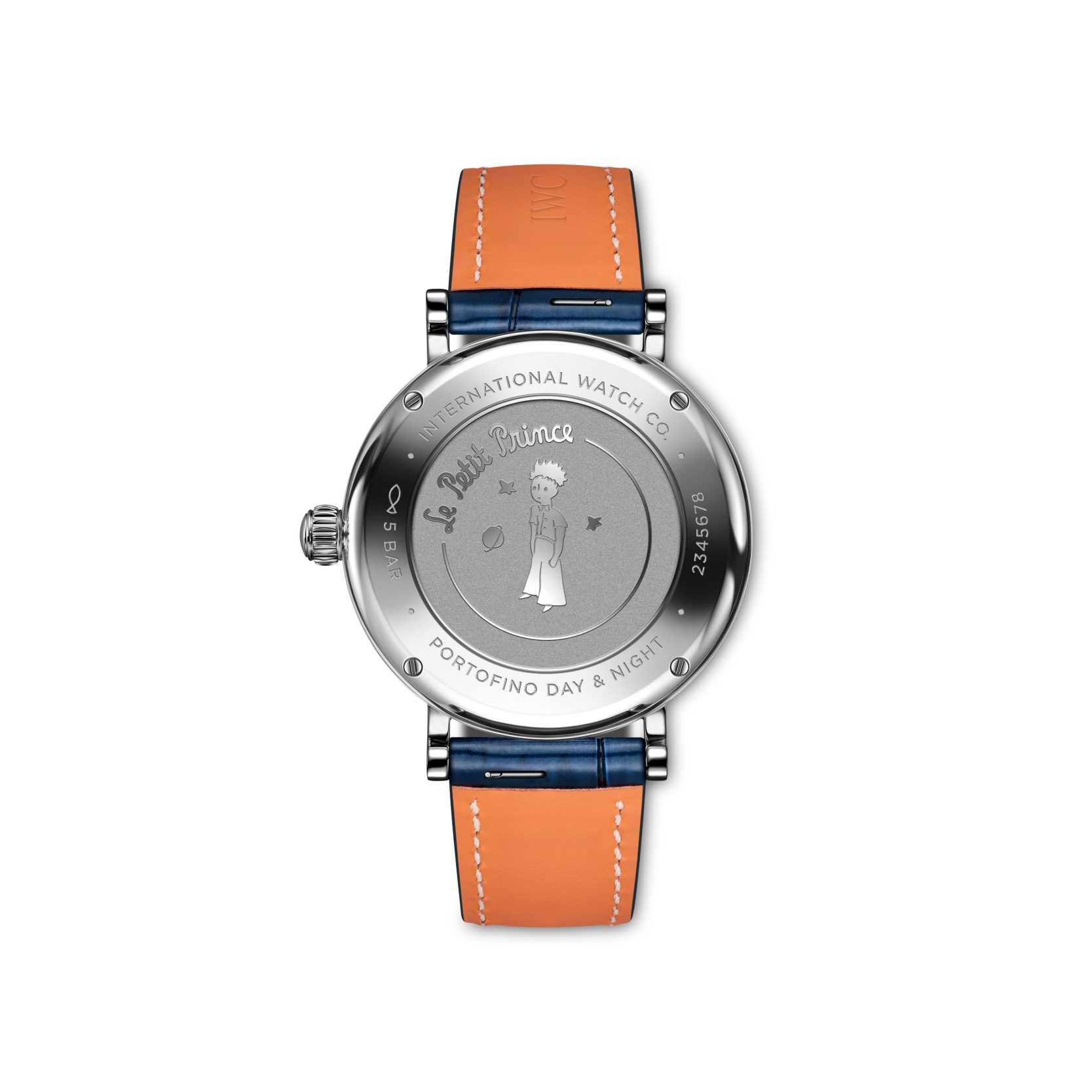
The watch features a deep blue dial with a sunray finish, a signature of IWC’s Le Petit Prince editions, paired with gold-plated hands and appliques. The focal point is the day-and-night display at 6 o’clock, which visualizes the continuous transition between day and night. In a charming nod to the narrative, the Little Prince is depicted standing on the golden asteroid with his three volcanos, gazing at the starry sky. This detail transforms a standard complication into a storytelling medium, echoing the protagonist’s journey through the cosmos. The stainless steel case back is engraved with a matching illustration of the Little Prince.
Powered by the Calibre 35180, the watch offers a 50-hour power reserve and is fitted with a hand-coloured blue alligator leather strap from the Italian artisan Santoni. The strap includes a quick-change system and a butterfly folding clasp, maintaining the collection’s focus on elegance and wearability. Unlike the robust tool watches of the Pilot’s collection, this piece serves as a reminder of the humanist values and literary legacy that have defined IWC’s partnership with Saint-Exupéry’s heirs for two decades.

Big Pilot’s Watch Perpetual Calendar Ceralume®
Innovation in materials gets the spotlight with the Big Pilot’s Watch Perpetual Calendar Ceralume®. Limited to 250 pieces, the watch debuts IWC’s proprietary luminous ceramic technology in series production. Following the introduction of the concept watch in 2025, this model brings the Ceralume® composite into the collection for the first time. The watch is crafted from white luminous ceramic, with the dial and white rubber strap also enriched with Super-LumiNova® pigments. The watch presents shades of white and grey with a mix of shiny and matte surfaces at daylight, while in darkness, the entire timepiece glows in a vivid blue-greenish hue for more than 24 hours.
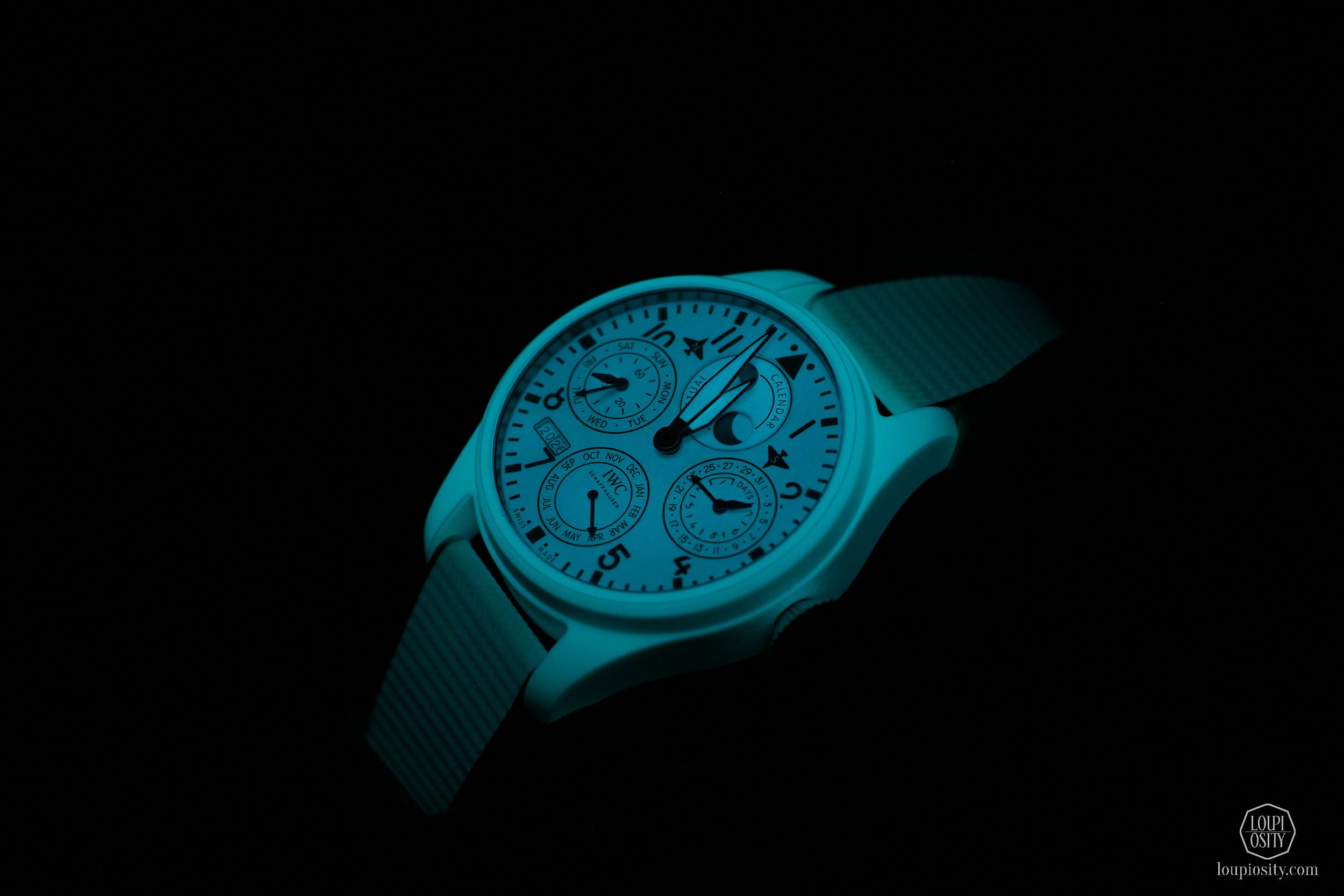
The Ceralume® technology is the result of a multi-year effort by IWC’s engineering division XPL, supported by RC Tritec. The process involves a specialized ball-milling technique to achieve a homogeneous mixture of ceramic powders and luminous pigments, overcoming the challenge of differing particle sizes. This innovation enhances visibility during night flights, where the glowing case and dial allow the wearer to read the time without external light sources.
The timepiece houses the legendary perpetual calendar complication, originally developed by Kurt Klaus in the 1980s. Calibre 52616 features a Pellaton winding system with ceramic components and a 168-hour power reserve. The calendar displays the date, day, month, and a four-digit year, alongside IWC’s Double Moon® display showing the lunar phase for both hemispheres. The transparency of the sapphire case back reveals the movement, where the “Probus Scafusia” medallion on the rotor is also made of Super-LumiNova®, ensuring the glow extends to the reverse side. This watch represents a significant evolution in IWC’s ceramic expertise, which dates back to 1986, proving that high complication and advanced material science can coexist.
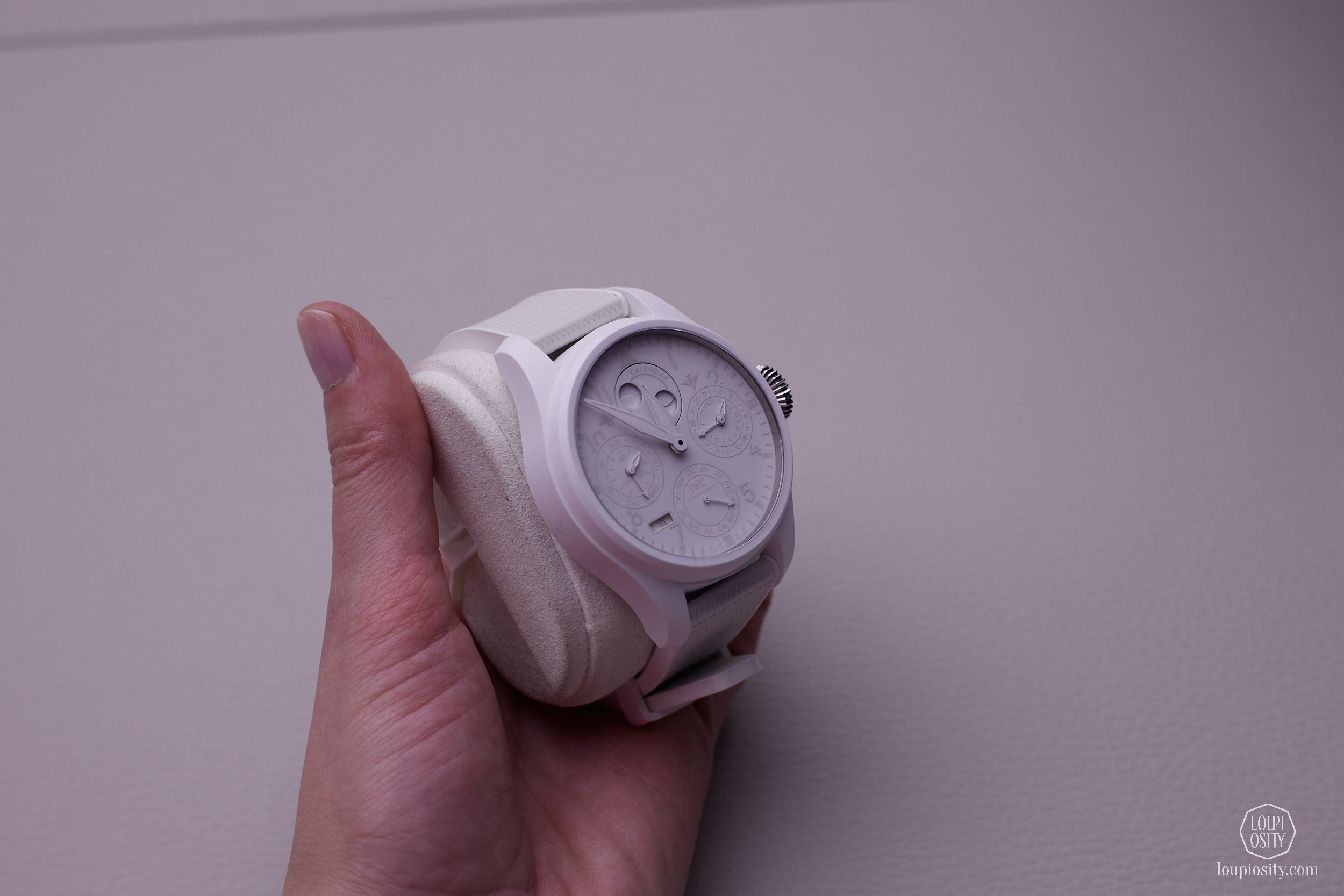
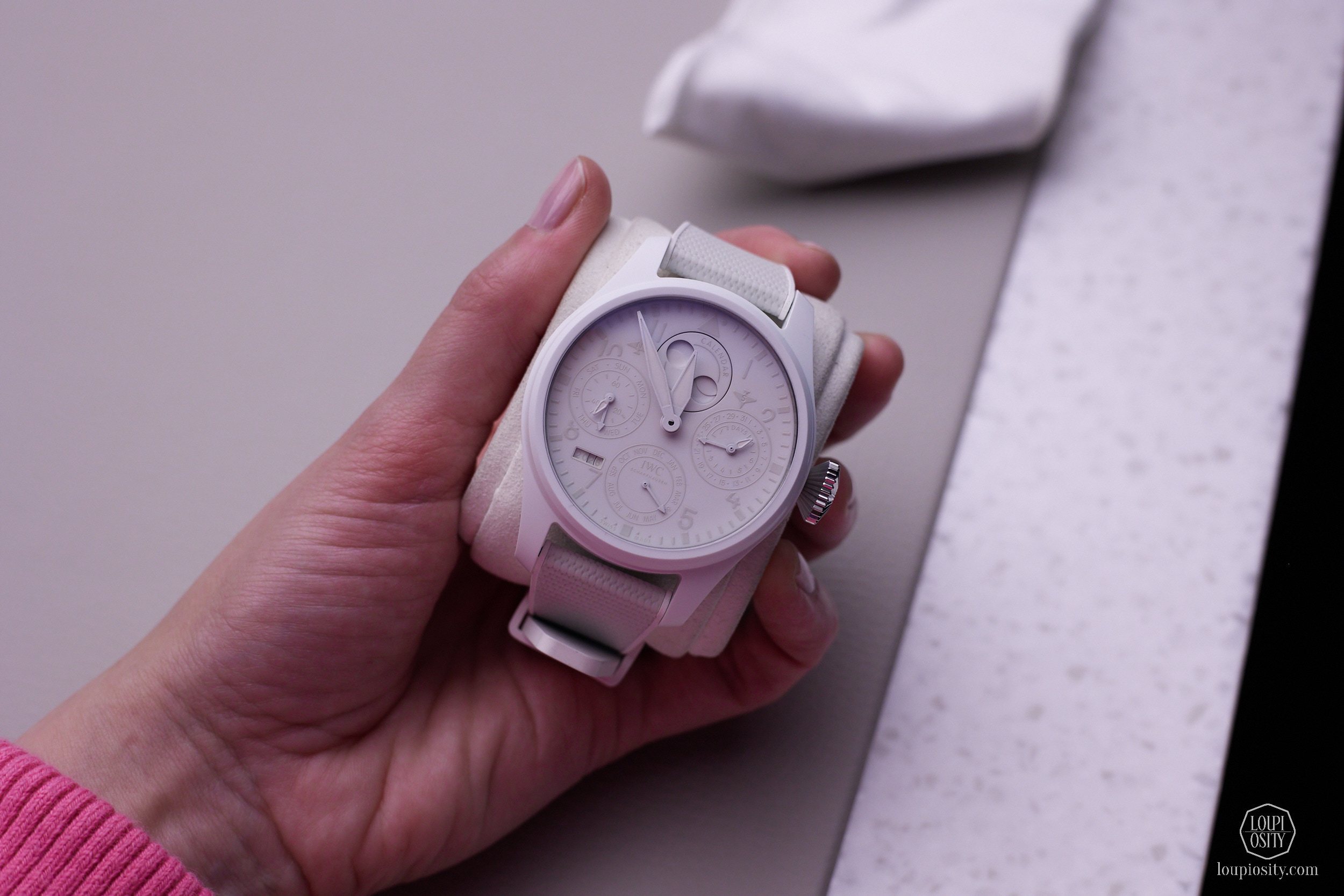
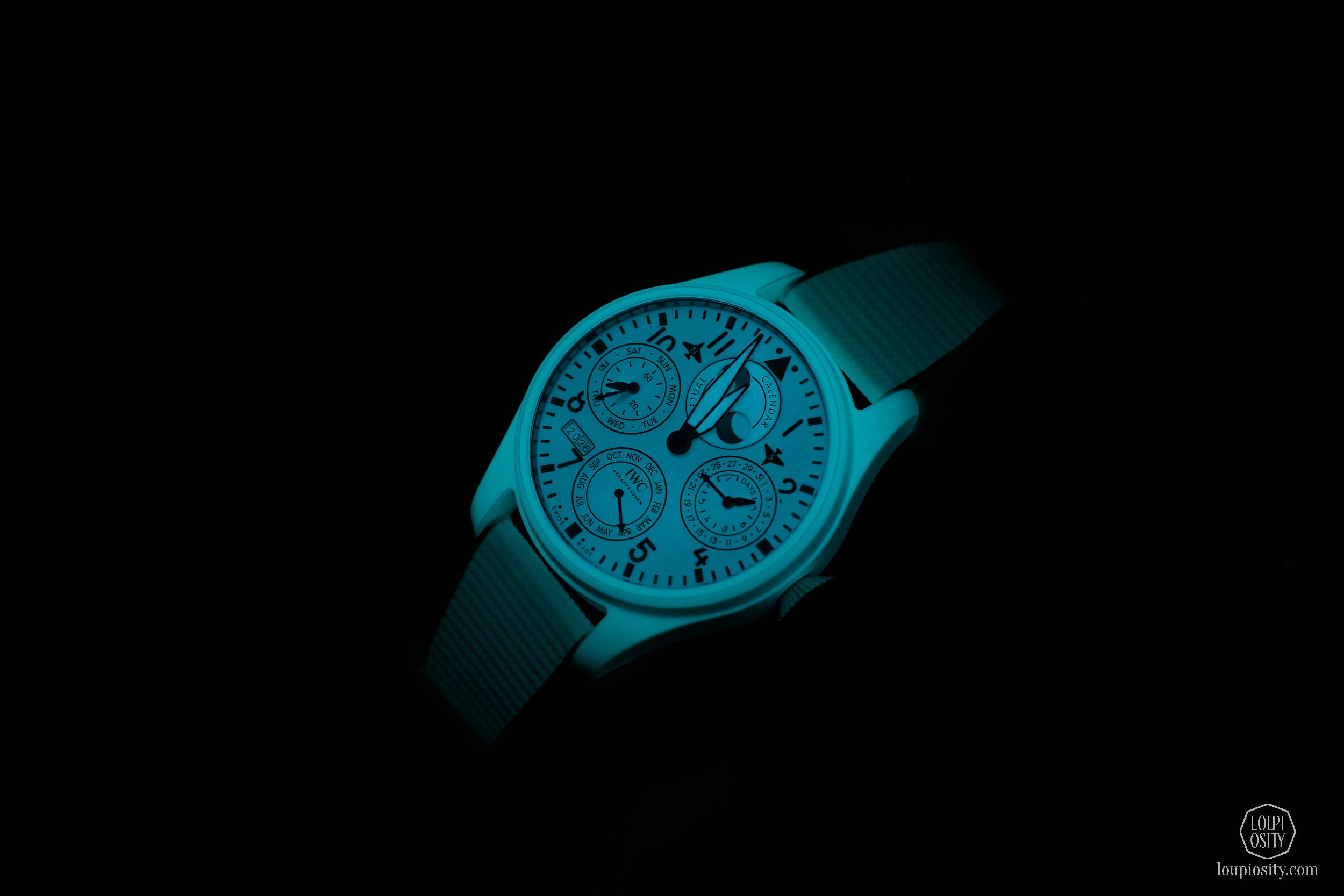
Photo credits: IWC Schaffhausen, Loupiosity.com
All registered trademarks are property of their respective owners.
All rights reserved.