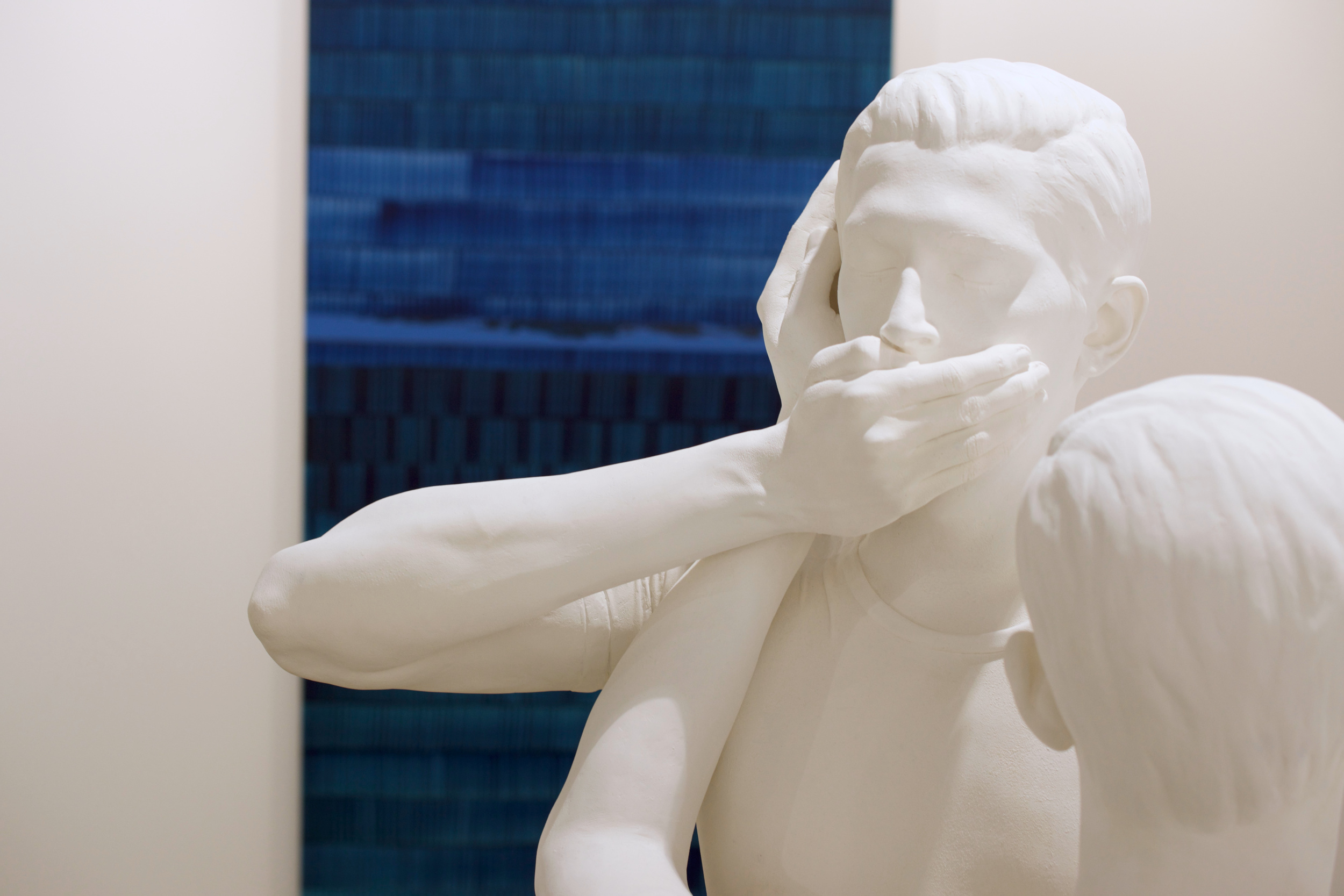
Art Basel closed its 2026 edition in Basel on Sunday, welcoming 90’000 visitors throughout its VIP and public days. There are still many art events, exhibitions and programs around here in Switzerland, now we are focusing on a few in Zurich.
Being probably the most hyped art event and widely considered the “mothership” of art fairs, its immense power and commercial scale also make Art Basel a lightning rod for criticism. Depending on who you ask in the art ecosystem, the grievances differ. Many events run around or parallel to the fair (Liste , Volta, Photo Basel or MAZE/Design Basel for example), and some of them explicitly reject the elitism of exclusive art fairs, like the Basel Social Club. Founded in 2022 by a collective of local artists, gallerists, and curators, the initiative offers free entry, a communal atmosphere, and an open environment for all.
The Art Basel Week is over, but Switzerland’s 2026 art calendar is packed with interesting programming. Focusing on Zurich, we selected a few art galleries that still have ongoing exhibitions worth visiting if you happen to be in northern Switzerland.
Hauser & Wirth
Let’s start with a well-known powerhouse: Hauser & Wirth. The gallery reported that it sold 35 works early in Art Basel, led by Picasso’s vibrant 1963 oil-on-canvas “Le Peintre et Son Modèle dans un Paysage” (1963), offered with an asking price of 35 million USD.
Founded in Zurich in 1992 by Ursula Hauser, her daughter Manuela Wirth, and her son-in-law Iwan Wirth—the latter being joined in 2000 by Partner and President Marc Payot—Hauser & Wirth has since undergone enormous expansion. It represents over 90 artists and runs a multi-continental operation with locations in Switzerland, France, Monaco, Spain, Hong Kong, the UK, and the US. The gallery also engages in publishing activities and produces a magazine of contemporary culture called Ursula.
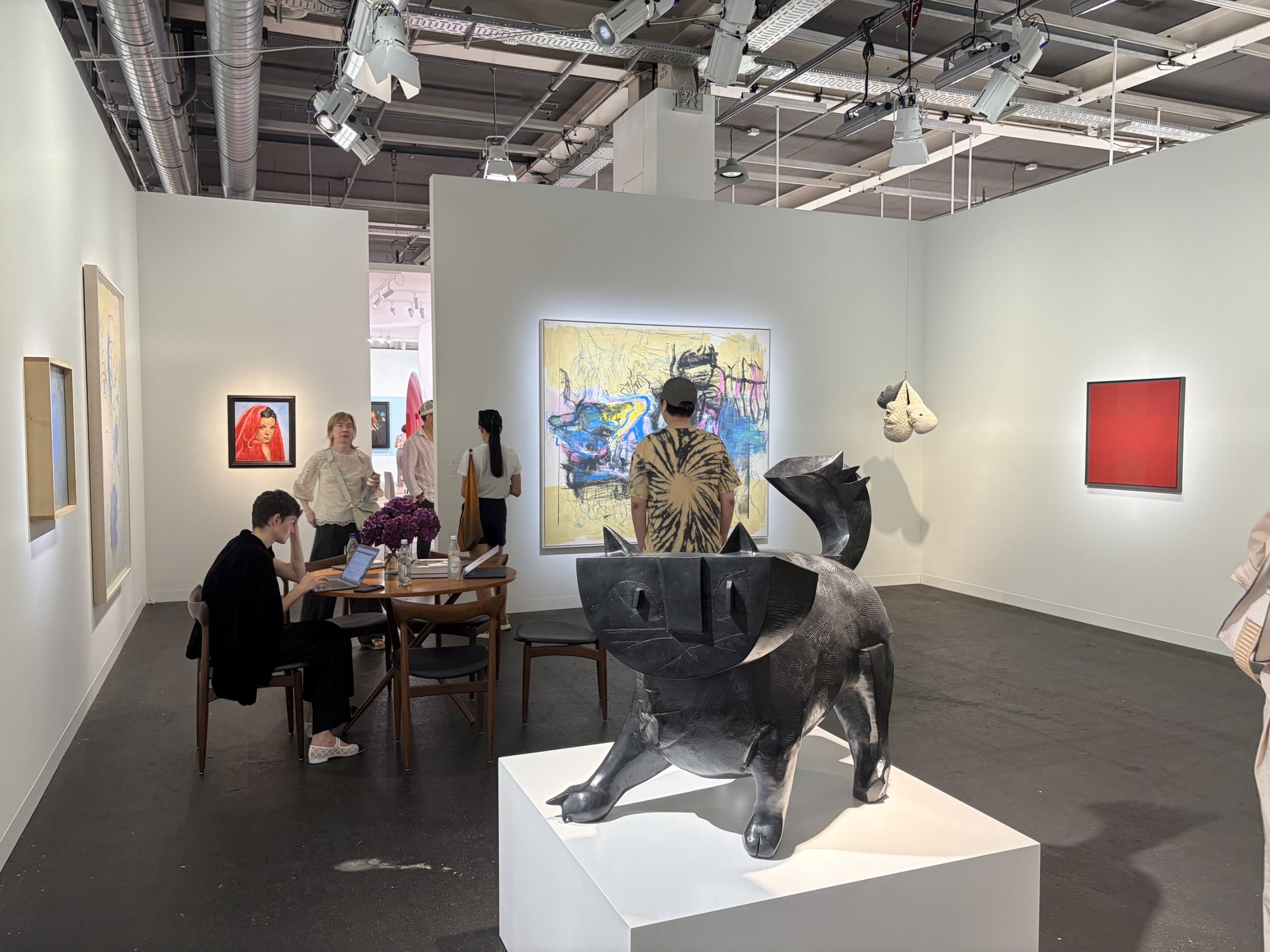
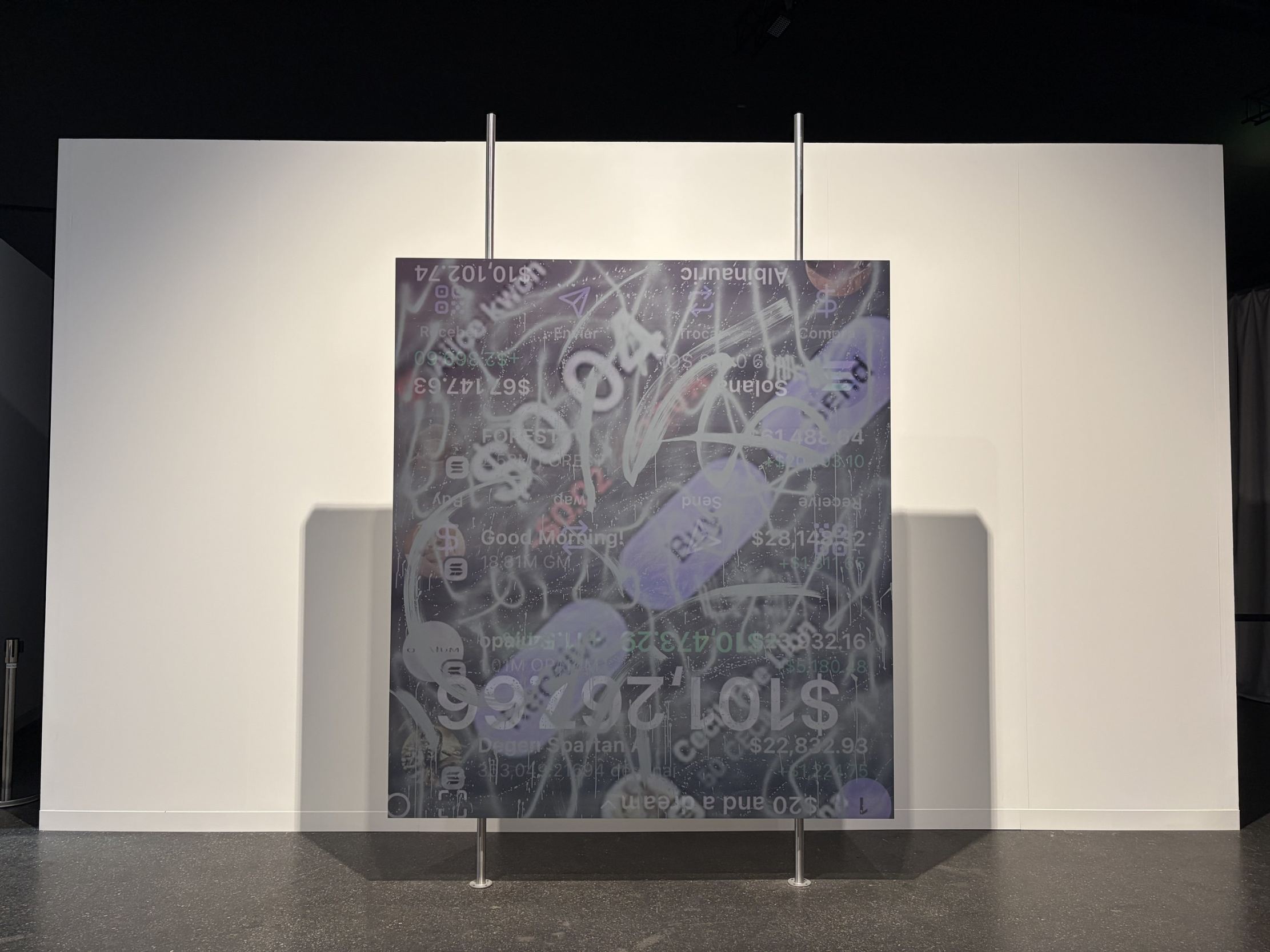
We visited their space at Limmatstrasse in Zurich, within Löwenbräukunst—a former brewery and vibrant contemporary arts complex. There, Hauser & Wirth hosts two significant programs until 5 September. One is US artist Avery Singer’s “War_overlays.” Coming from a family of artists, she experimented with different kinds of art from a young age. As the gallery describes, she has emerged as a powerful contemporary voice whose work explores the possibilities in the convergence of painting and technology.
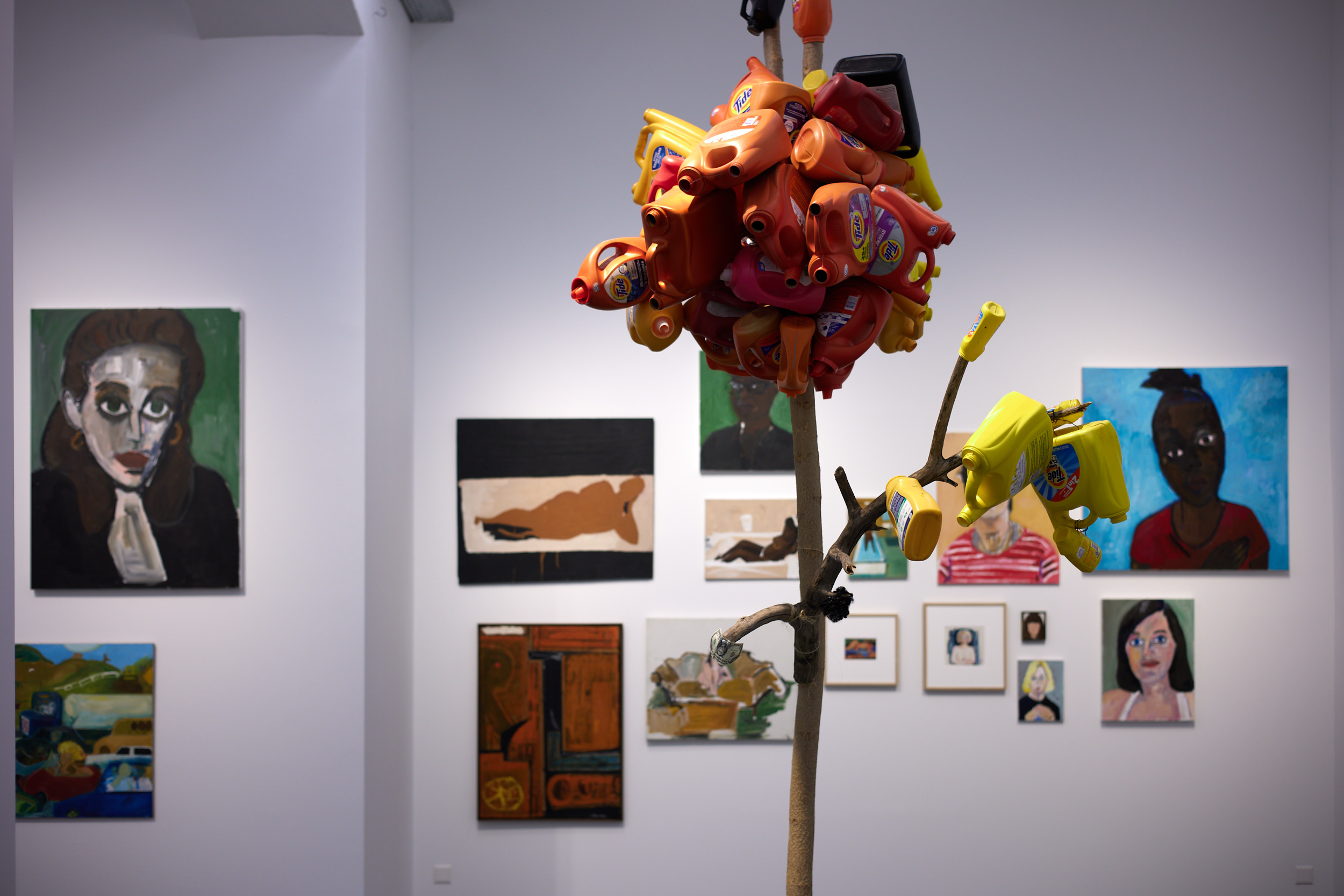
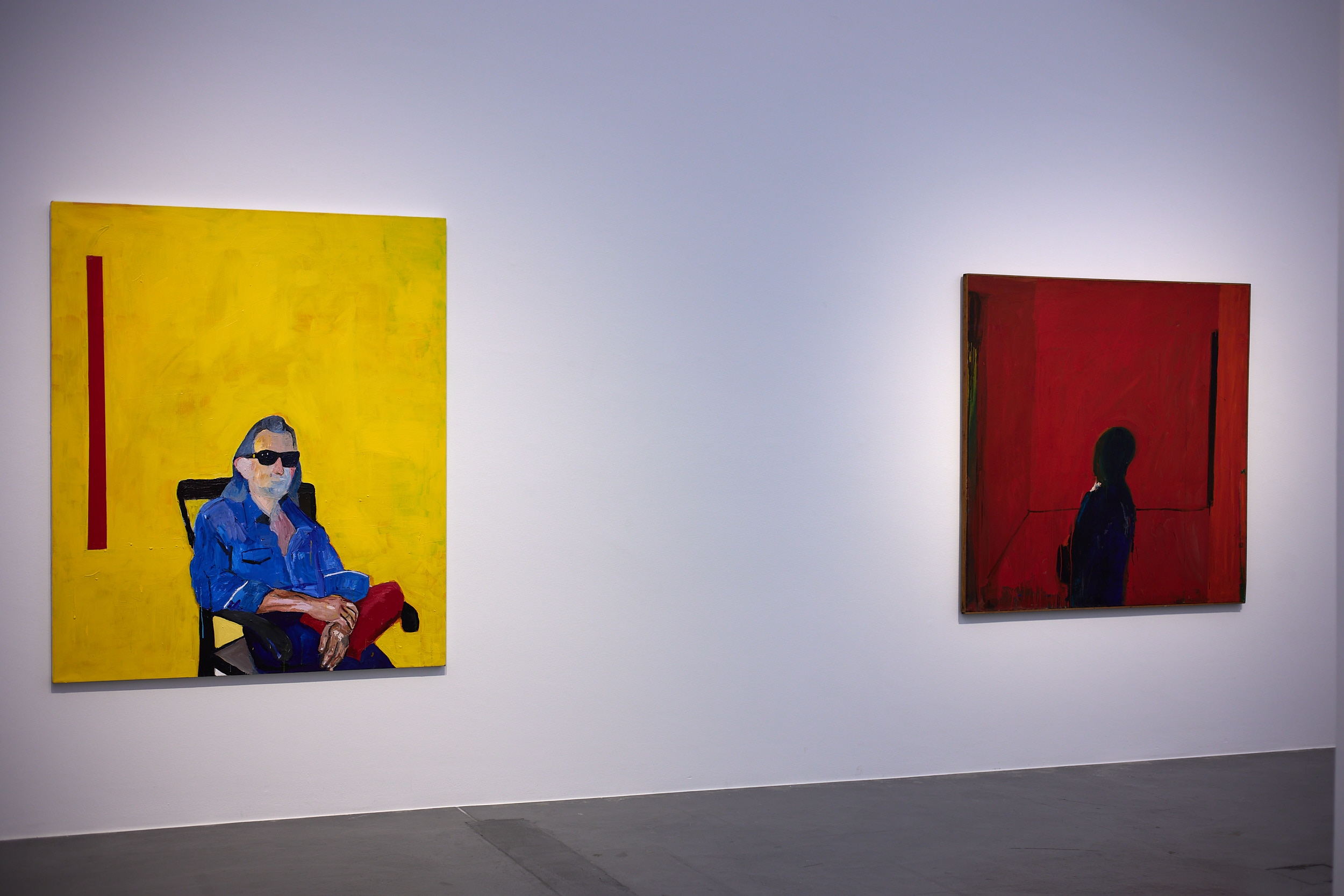
The exhibition “Sometimes a Straight Line Has to Be Crooked” is a joint presentation by James Jarvaise and Henry Taylor. The works of Henry Taylor (1958)—one of the most celebrated contemporary African-American painters—and his teacher, California modernist James Jarvaise (1924–2015), are in dialogue with each other.
Please see a few impressions of the exhibitions in our Zurich Art Weekend article.
Hauser & Wirth also exhibits artists at the 61st Venice Art Biennale, which runs from May 9 to November 22, 2026.
Sommer Contemporary Art
Founded in 1999, Sommer Contemporary Art operates in two locations: Tel Aviv and Zurich. In the heart of Zurich, the Sommer Salon offers an intimate setting that nurtures cross-border connections and cultivates gatherings that facilitate cultural exchange.
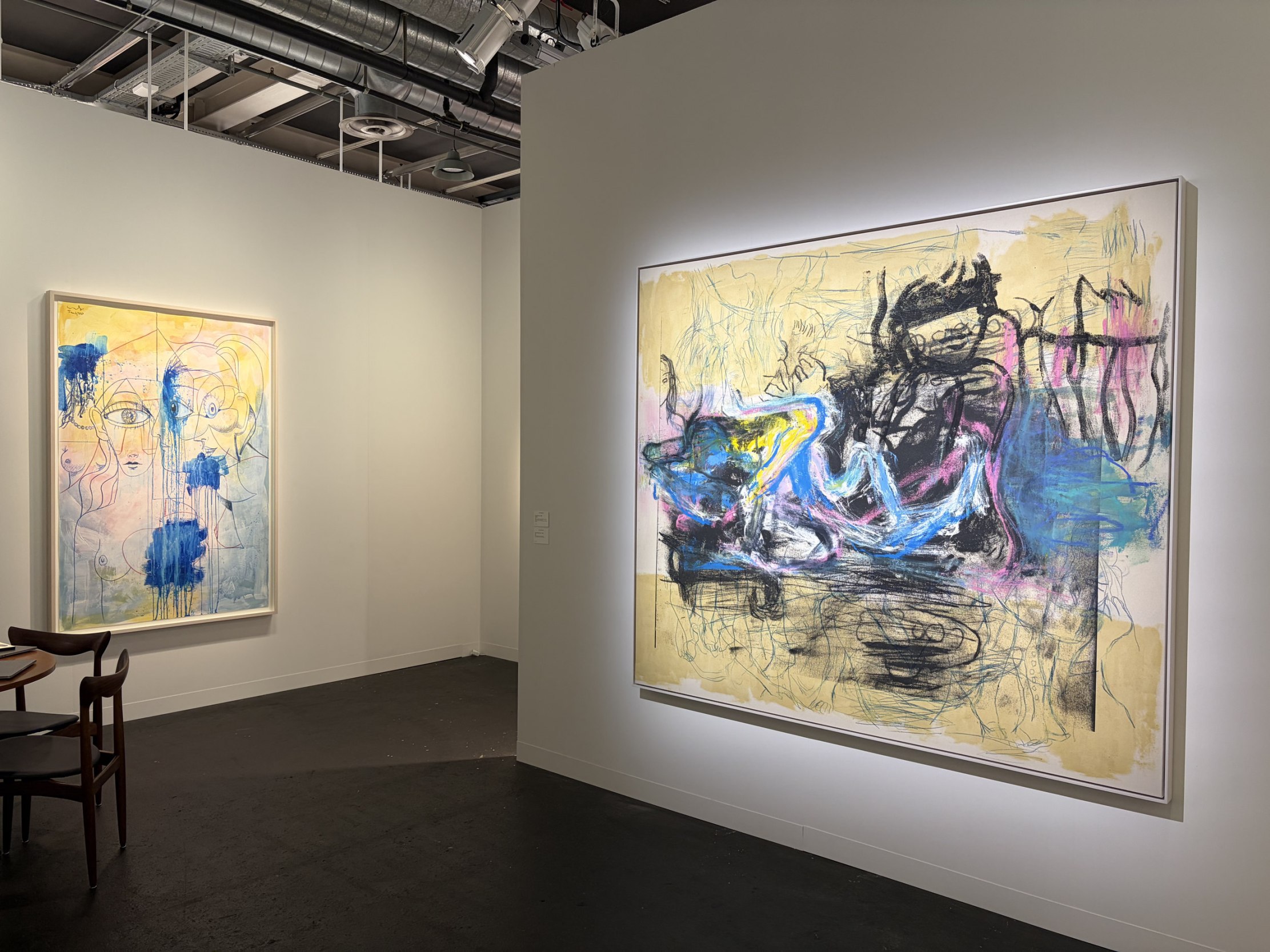
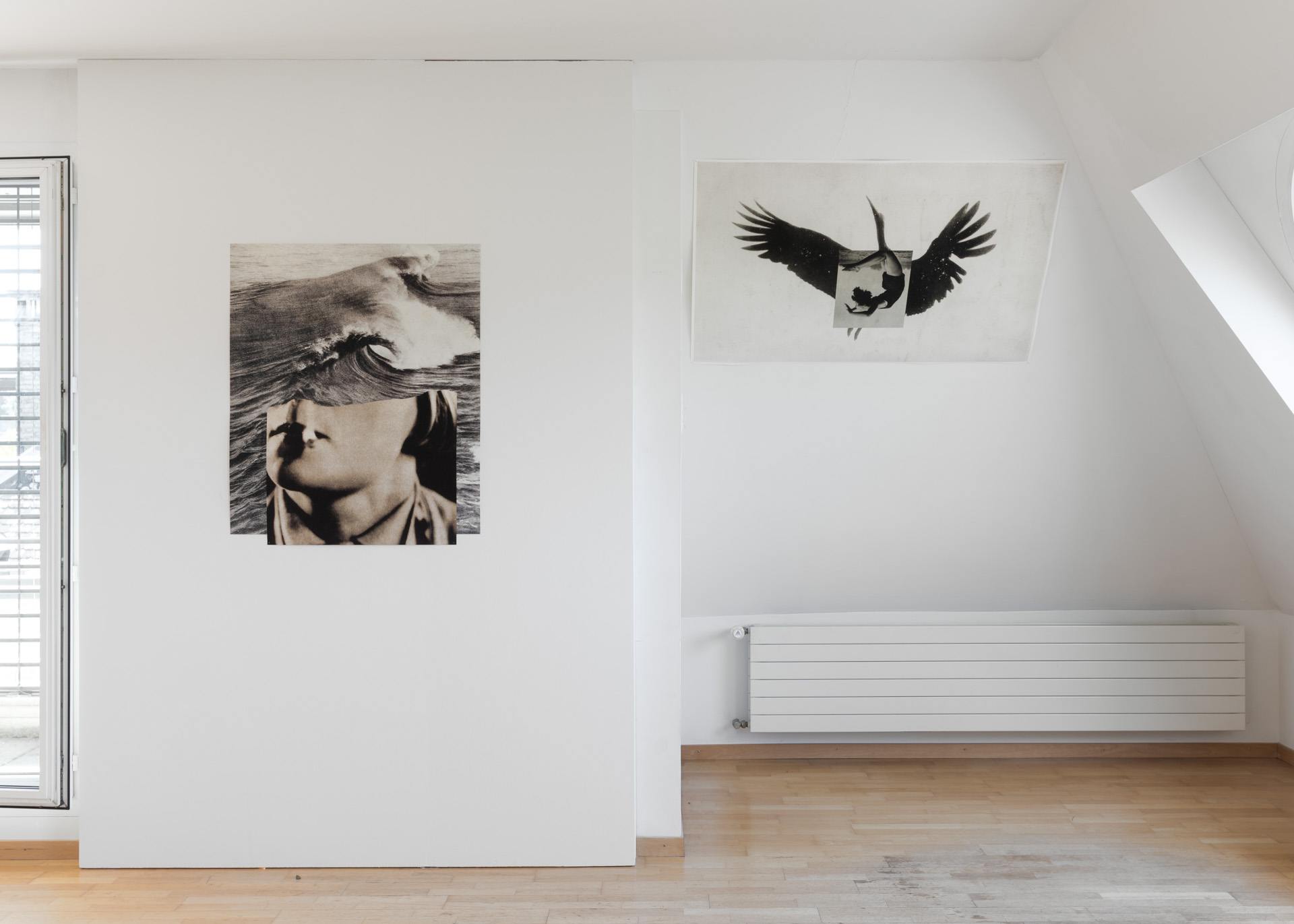
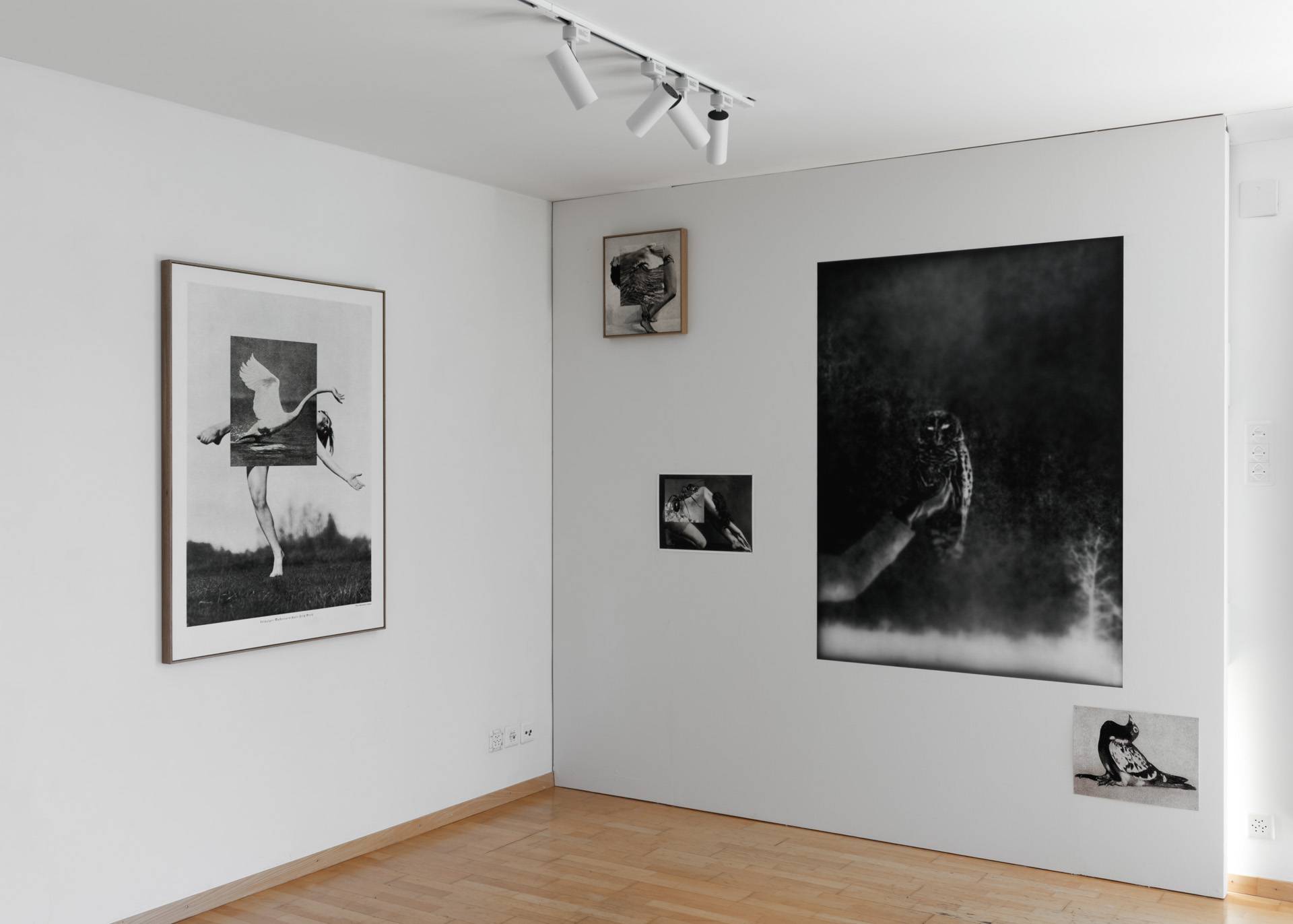
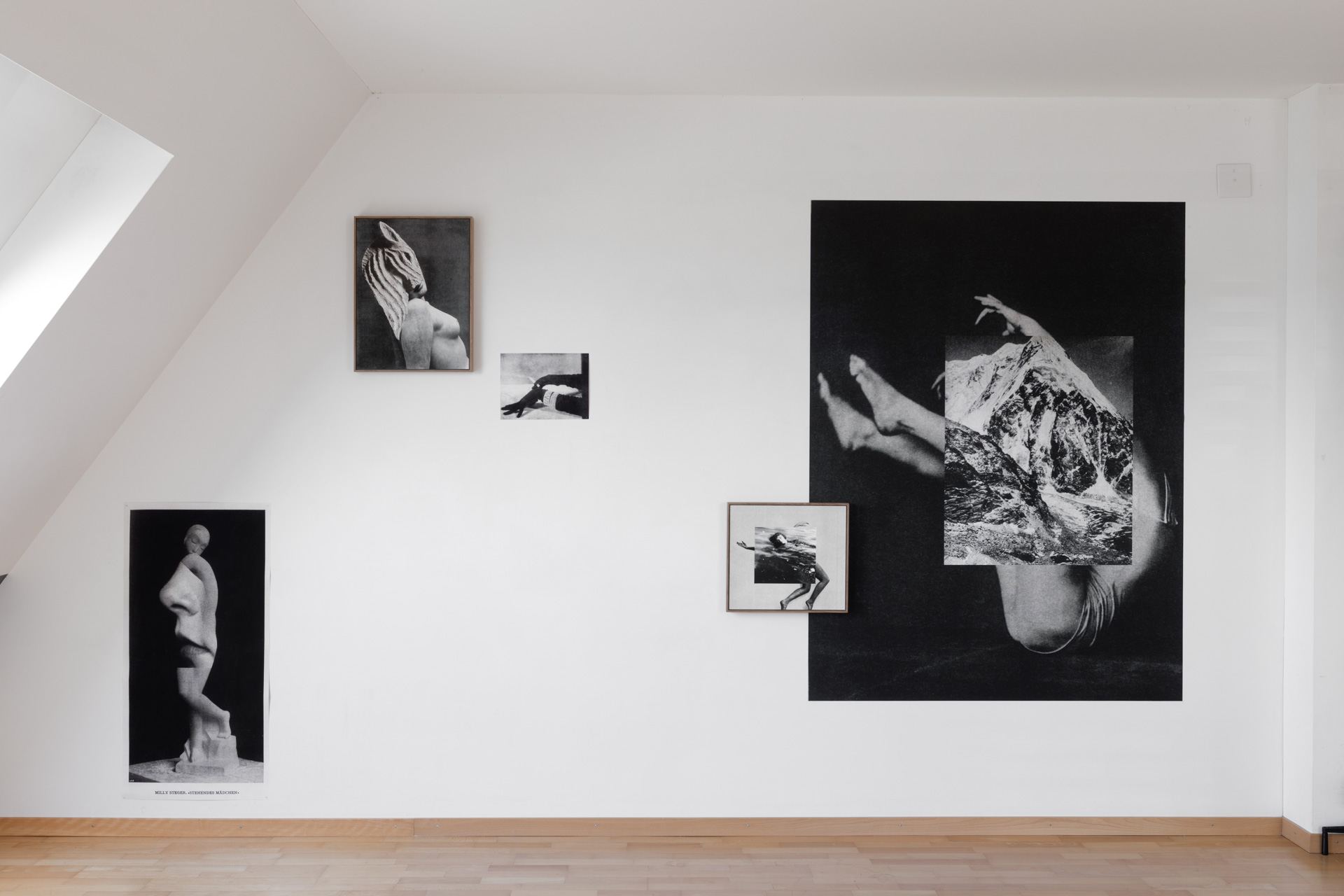
As we saw a few powerful images in the Zurich Art Weekend offerings, we visited the Ronit Porat—”How Come a Butterfly Flies” exhibition, which remains open by appointment until 11 July 2026. This is the debut exhibition of Ronit Porat in Switzerland; she is a highly acclaimed, award-winning Israeli contemporary artist and photographer. Her works reflect the legacy of photomontage rooted in Dada and Surrealism. The digital and physical collages layer photographs produced and shared in Europe in the first half of the 20th century—for example, from Germany’s Weimar Republic era—often by or about women.
“Moving freely and gracefully between fragments of troubling social realities, Porat reactivates images with a renewed sense of tension that speaks to our present moment. How Come a Butterfly Flies evokes a sense of wonder intertwined with uncertainty, an attempt to approach what cannot be fully grasped or resolved. The images remain unsettled, histories porous, and the viewer is left to inhabit the space between what is seen and what cannot fully be known.” – Sommer Gallery
Galerie Eva Presenhuber
Eva Presenhuber is an Austrian-Swiss art dealer and almost like a “household name” in the world of European contemporary art. She was the director of Galerie Walcheturm in the 1990s, where she helped launch the careers of major Swiss artists. Together with galleries Peter Kilchmann and Basel-based curator Peter Bläuer, she initiated the Liste Art Fair Basel in 1996. She opened Galerie Eva Presenhuber in 2004; now she has two locations in Zurich and one in Vienna. Eva Presenhuber was also an active member of the Art Basel Selection Committee for nearly a decade.
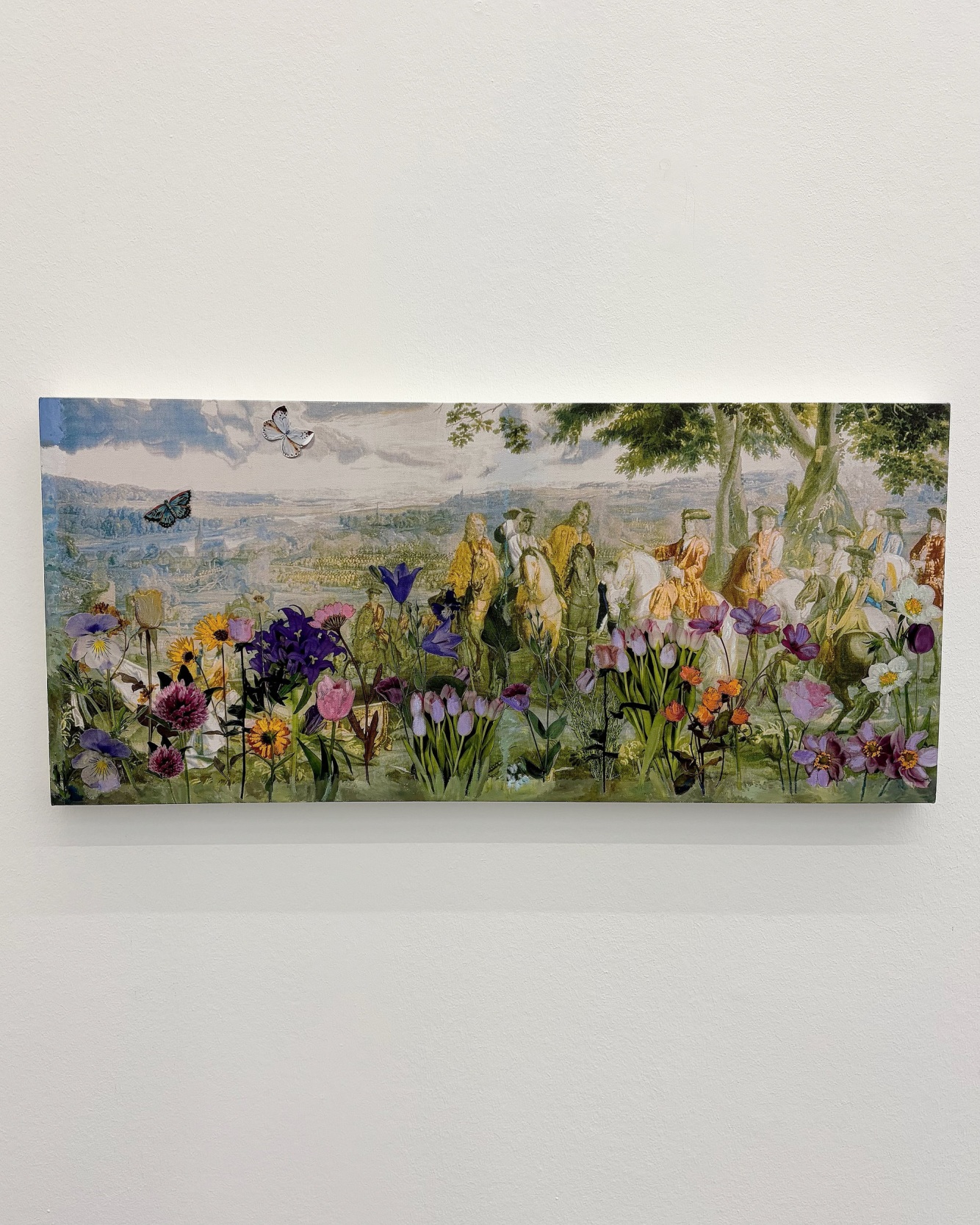
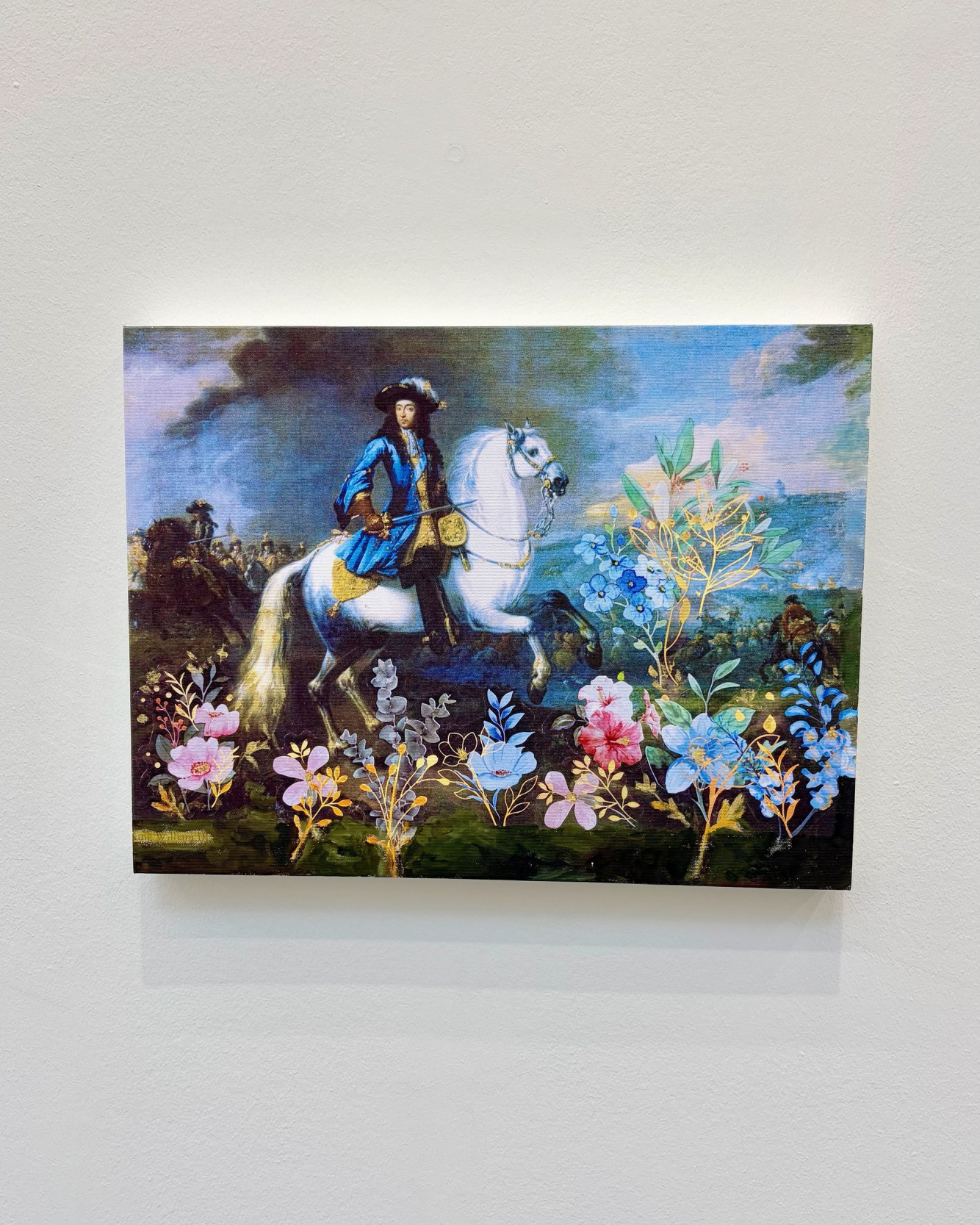
This summer at the Waldmannstrasse venue in Zurich, Karen Kilimnik offers a solo presentation characterized by her signature mix of memory, celebrity, and domestic imagery. Her work often operates in the realm of the psychological, using familiar objects to evoke complex emotional states. Meanwhile, at the Maag Areal location, Valentin Carron presents “The Slope (Works 2005–2026).” Carron’s practice frequently incorporates humor and the absurd, blending sculptural forms with performative elements. Together, these shows demonstrate the gallery’s range—from the intimate introspection of Kilimnik to the expansive, playful experimentation of Carron.


Galerie Haas Zürich
I discovered the works of Sandra Vásquez de la Horra through a book a friend showed me: “Latin American Artists: From 1785 to Now” by Phaidon, featuring more than 300 artists born or based in Latin America. Sandra Vásquez de la Horra was born in Viña del Mar, Chile, in 1967 and grew up during Pinochet’s seventeen-year military regime. She left her home country to study in Germany in the 1990s and now lives and works in Berlin, Germany (The Denver Art Museum visited her in her studio, where she also speaks about her background and inspiration).
Founded in 1978 in Berlin by Michael Haas, the gallery is committed to post-war production and contemporary art. They represent a wide range of artists and frequently organise exhibitions at their locations in Berlin and Zurich.
Until 11 July 2026, the Healing the Tree exhibition at Galerie Haas Zürich brings together a new series of her works created in 2026, with a focus on the human connection to nature. As the gallery quotes her: “There will come a time when humanity understands that we are not separate. We are one.”

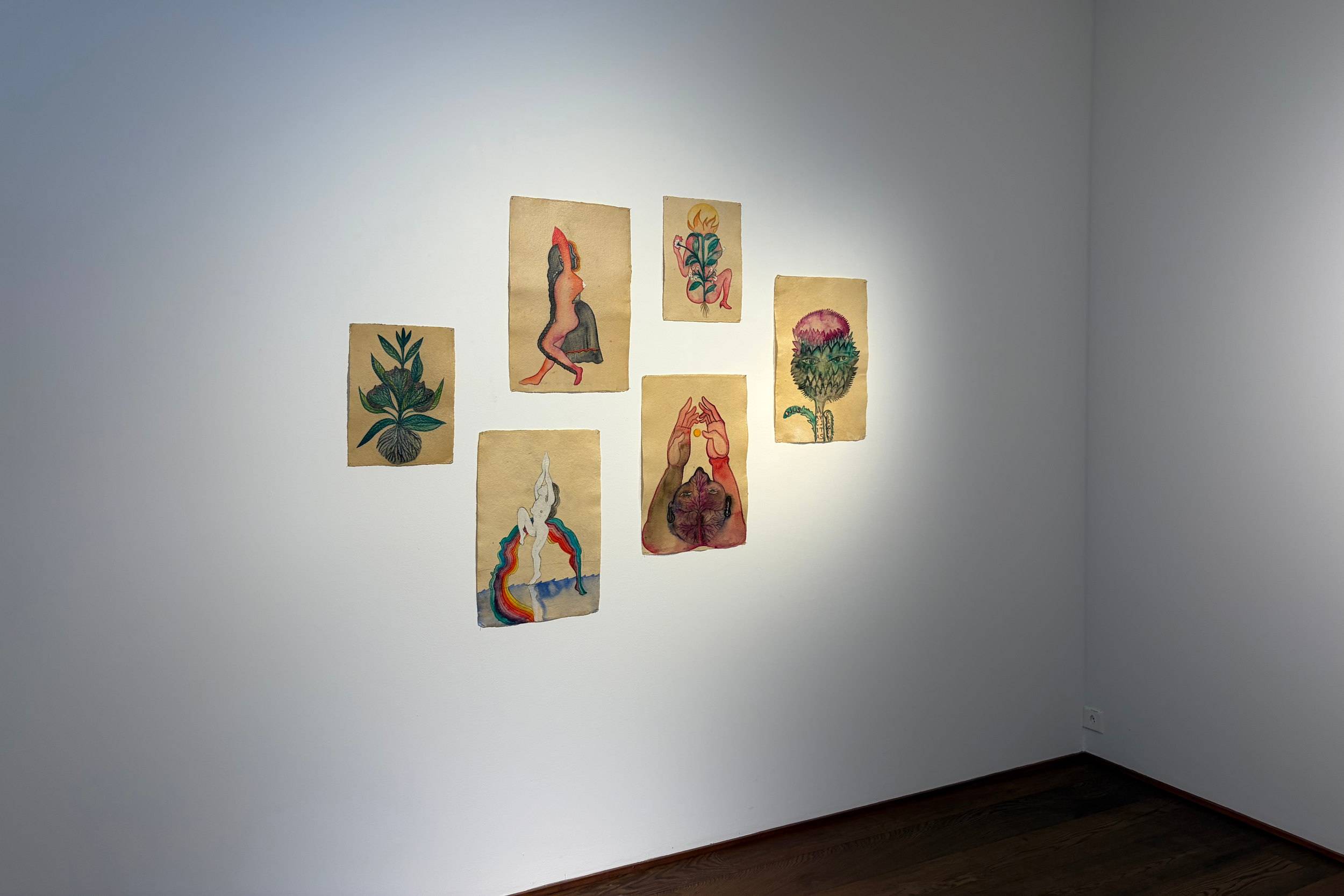
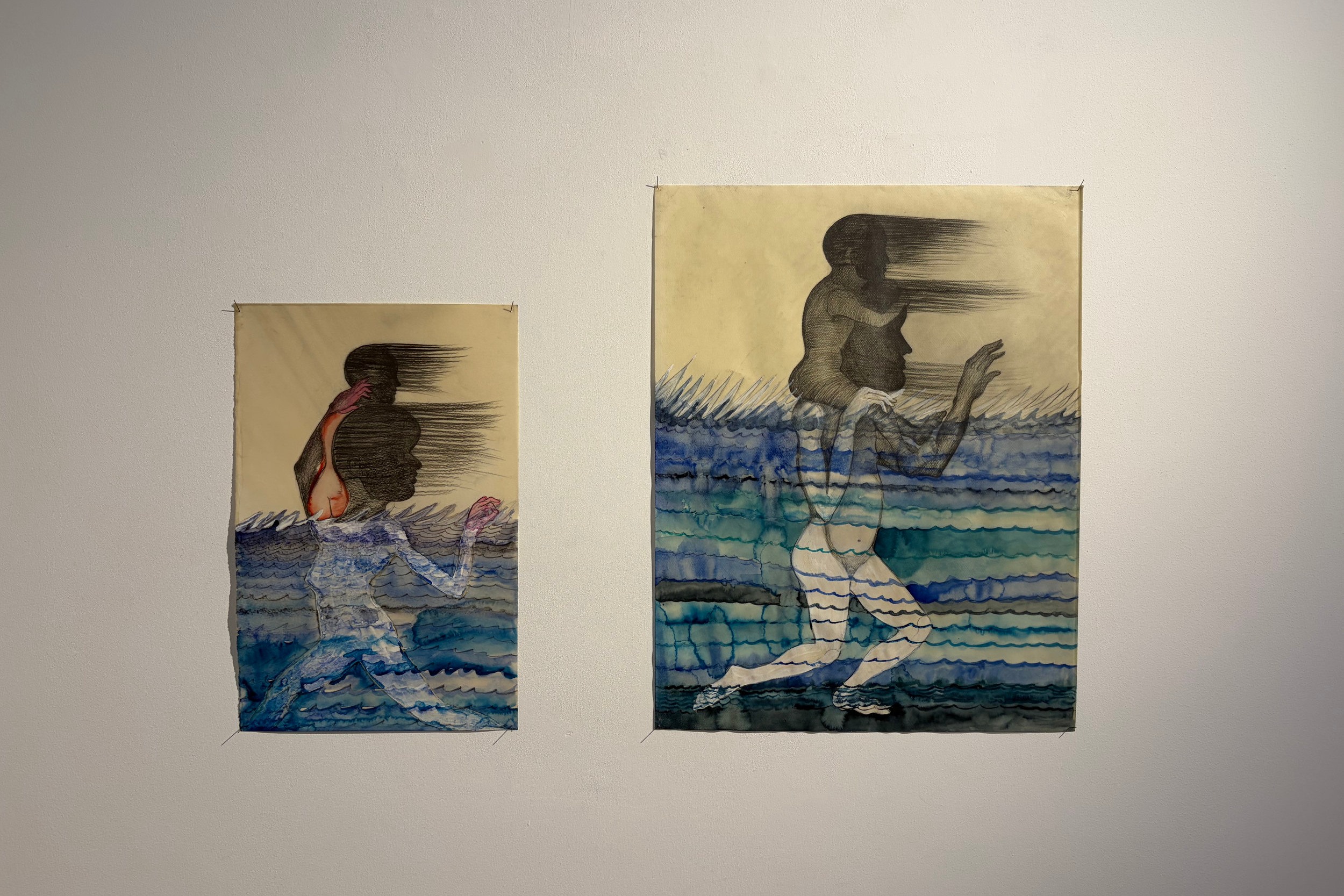
Photo credits: Sommer Contemporary Art. Loupiosity.com
All registered trademarks are property of their respective owners.
All rights reserved.