H. Moser & Cie’s partnership with Alpine Motorsports has been running for its third F1 season as we joined them at Monza’s Temple of Speed for the 2026 Italian Grand Prix. Between the circuit and the city of Milan, two Alpine drivers carried their own Italian stories, and a skeleton novelty surfaced on the grid.
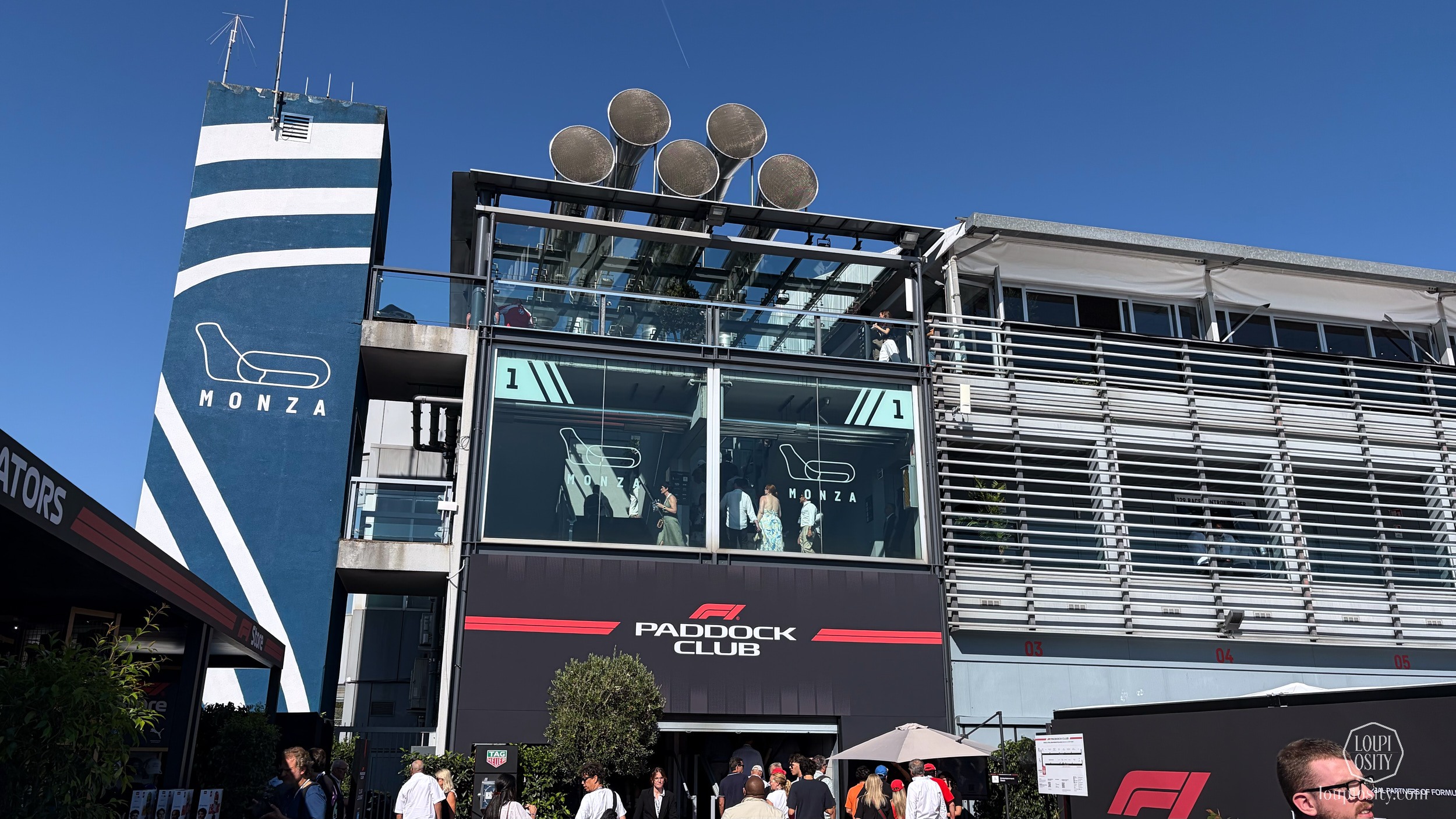
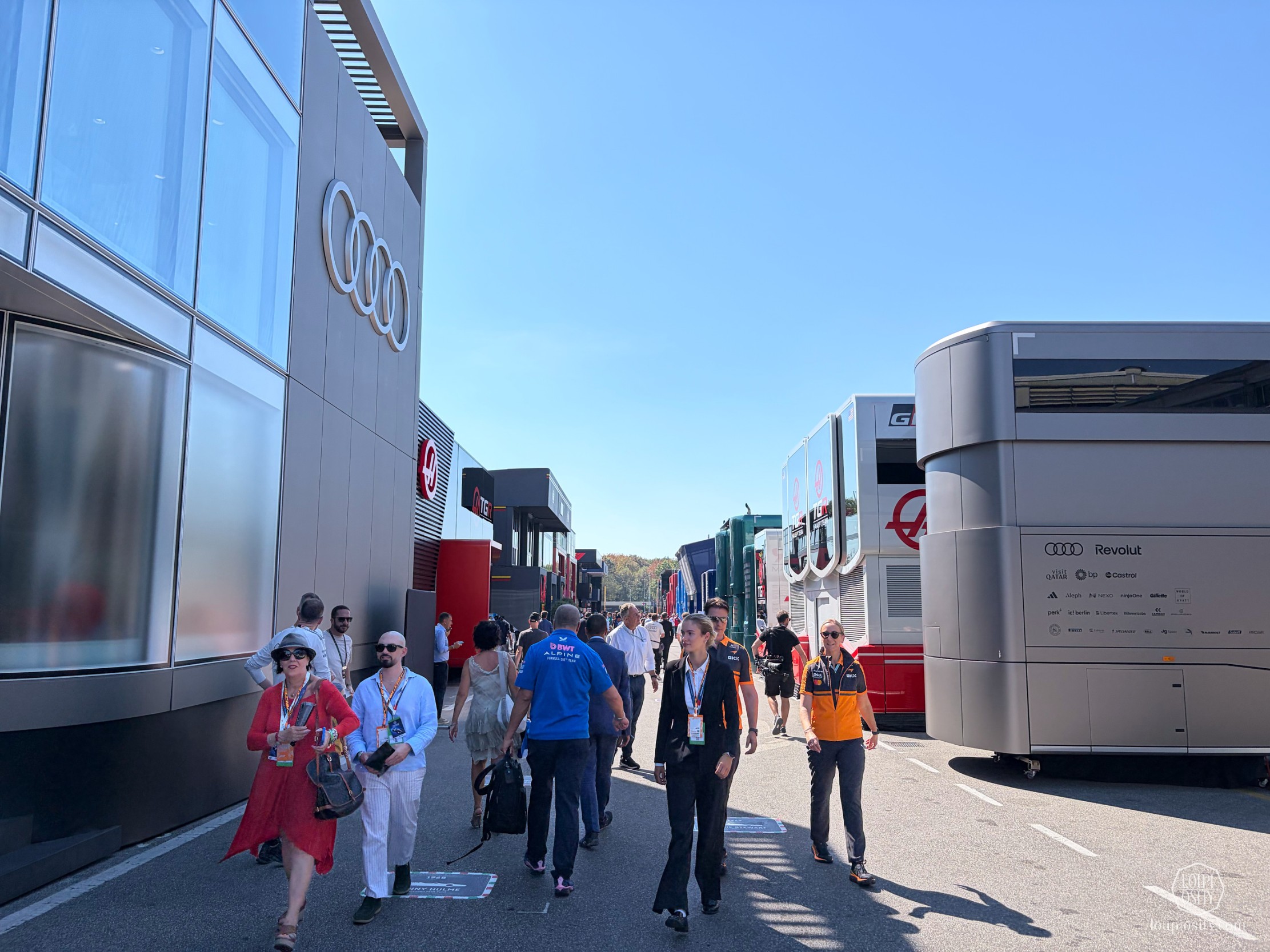
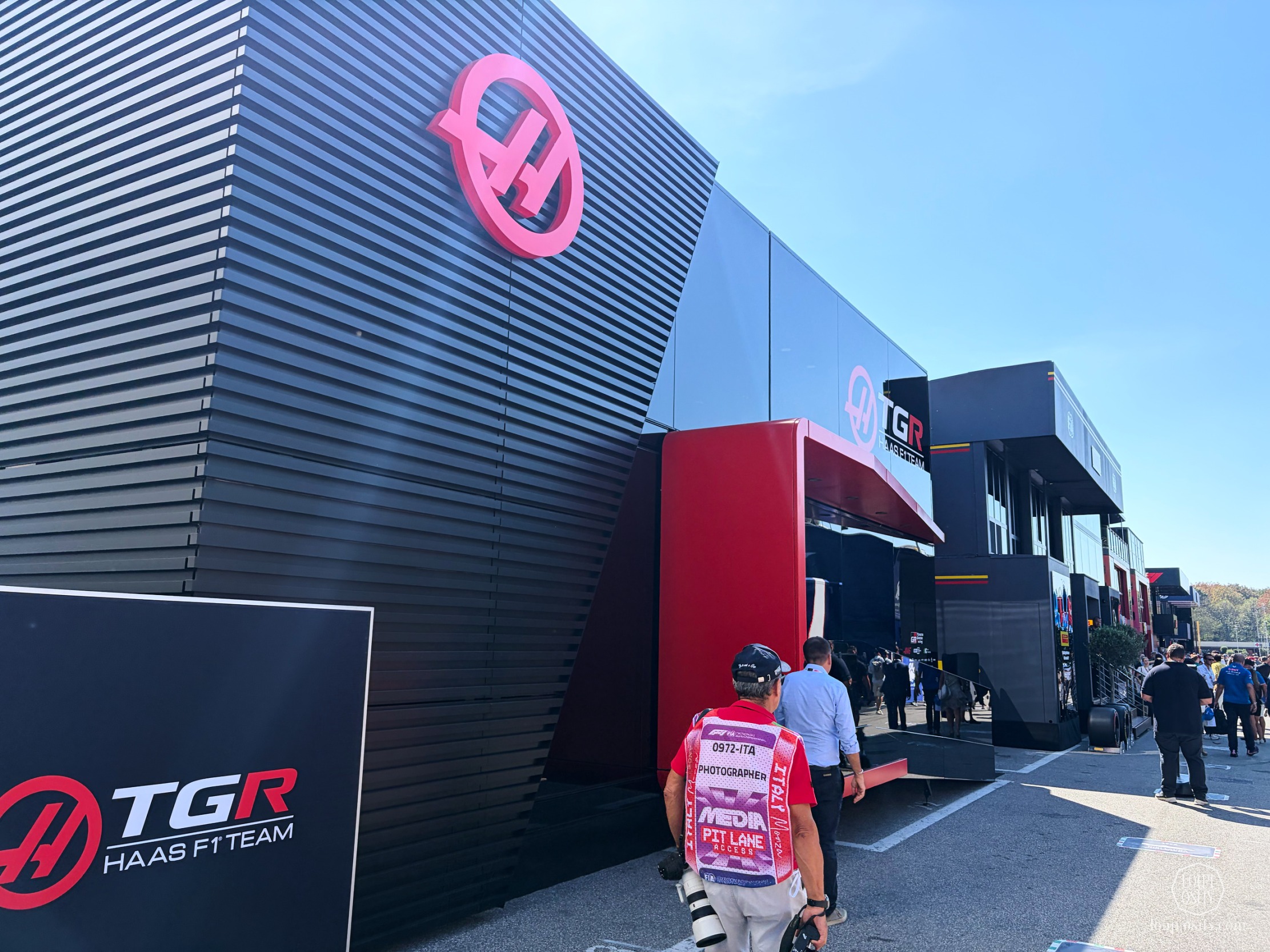
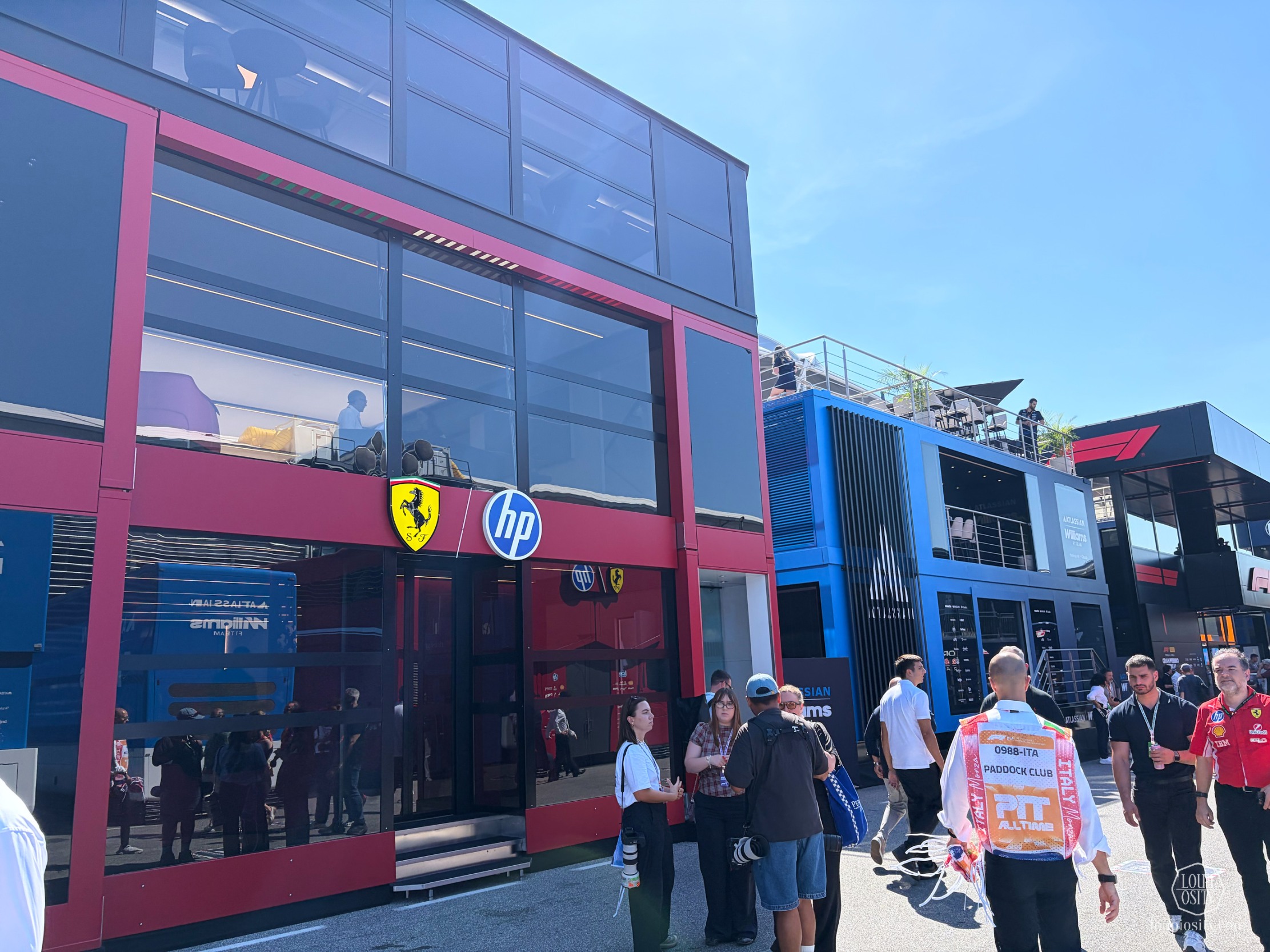
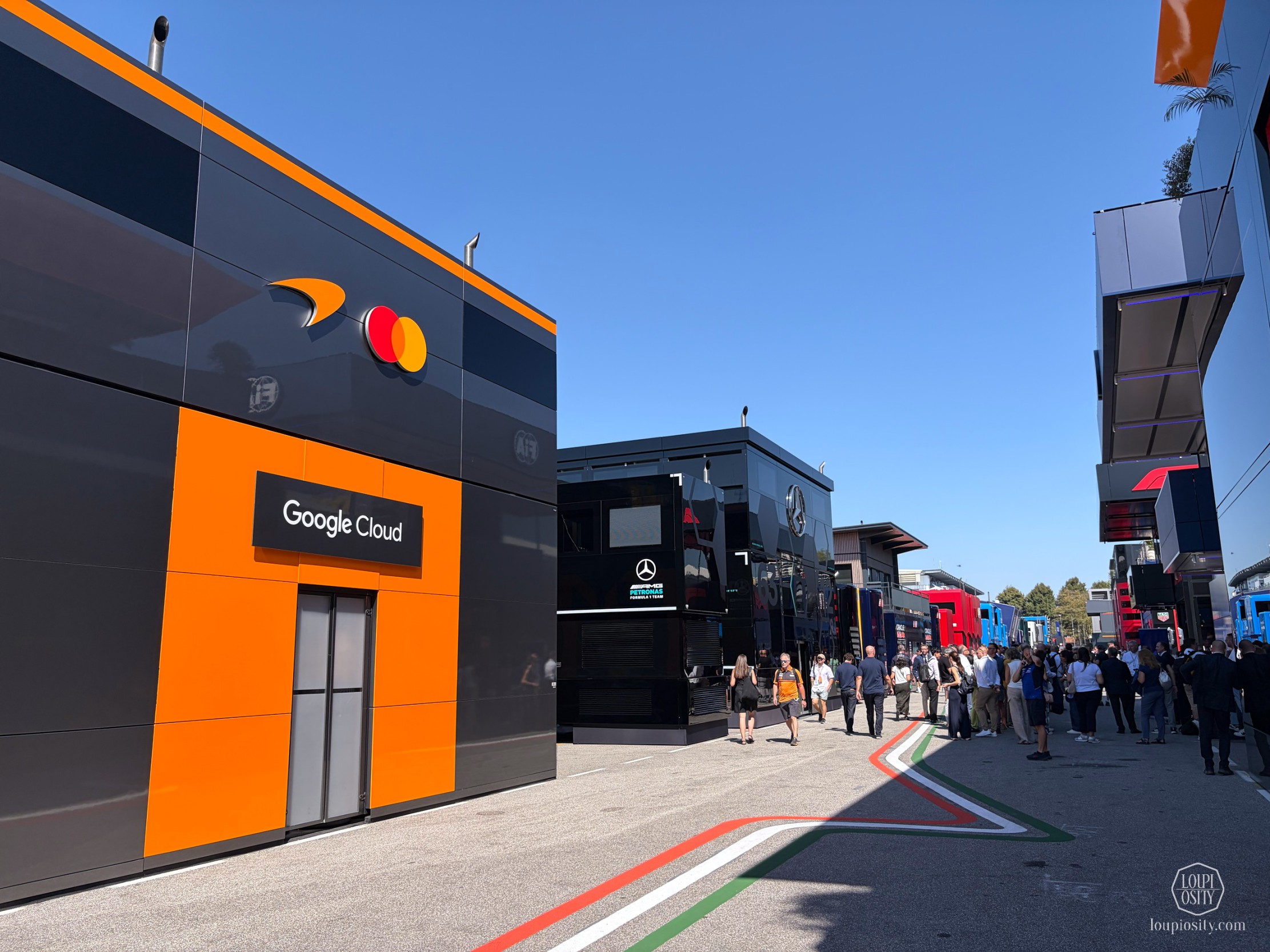
Monza does not ask for attention on a race weekend. It takes it. The Autodromo Nazionale has been sitting inside a royal park northeast of Milan since 1922. Although the era of the good old V10s is now behind us, the sound that reaches the stands still feels in the chest rather than merely heard as noise. Italian supporters, the “tifosi”, and crowds of fans from all over the world make a pilgrimage here because… well, because Monza is Monza. Above all, this circuit rewards speed, and it always has.
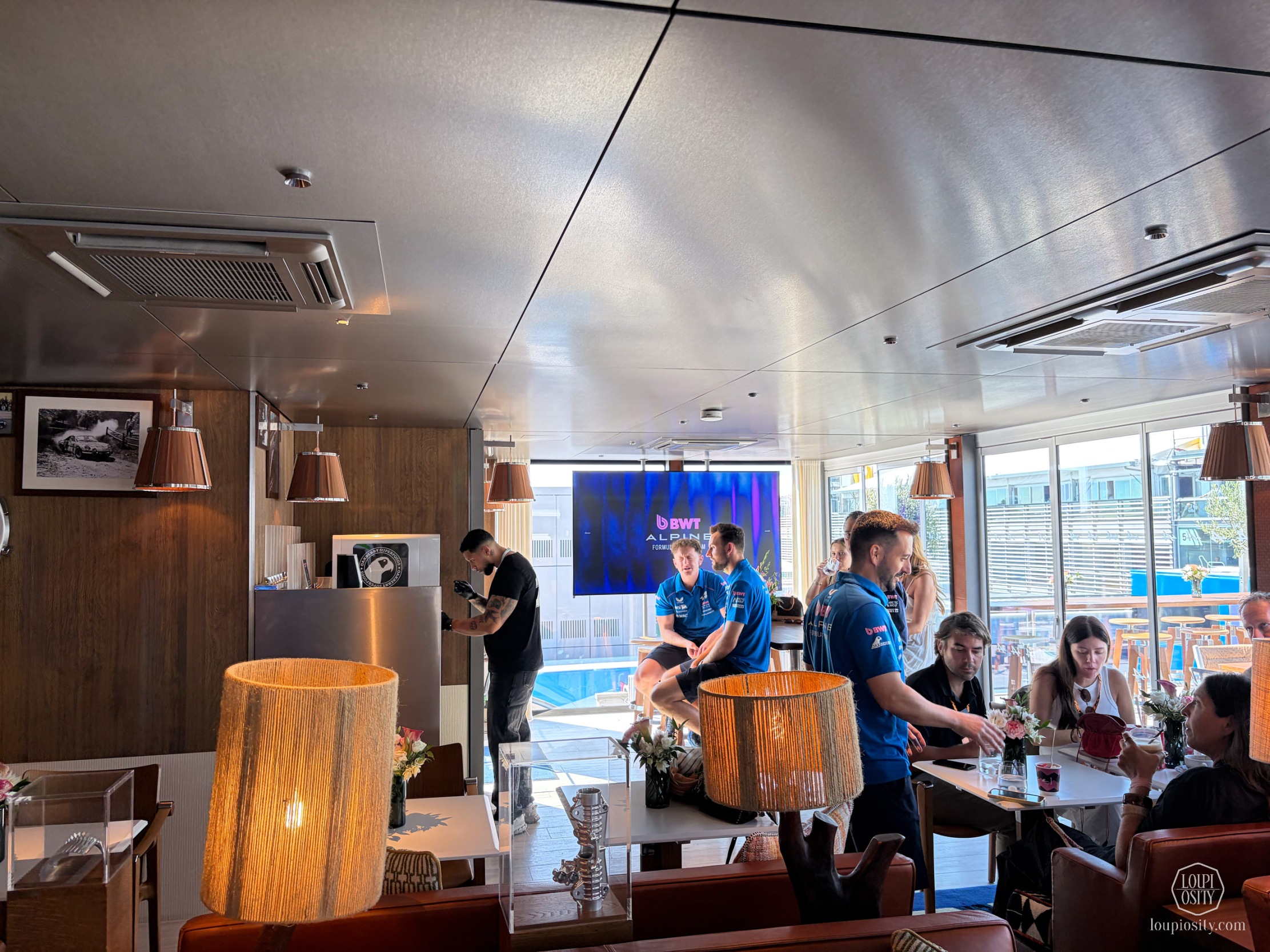
As a guest of H. Moser & Cie. I was one of the visitors of this sanctuary of Italian motorsport at the Italian Grand Prix in 2026. The Schaffhausen manufacture is now in its third season as Alpine Motorsports’ first Global Partner, which has produced a number of exciting Streamliner watches since its inception. A new model landed at Monza this weekend. Before the actual novelty, let’s recap the ongoing collaboration between the two enterprises, H. Moser & Cie. and the Alpine Formula 1 Team.
More than a logo swap
Watch-and-racing-team partnerships are common enough to invite skepticism. A brand logo on a car or a driver’s sleeve, a co-branded limited edition, a few hospitality appearances, and the season moves on. The H. Moser and Alpine collaboration does not look like that, and the people running it have been deliberate about saying so. At the launch of the cooperation, the two already called out the difference between collaborations that amount to marketing exercises and those born from genuine encounter and dialogue, and even has personal dimensions.
The Meylan family, owners of H. Moser & Cie., have a history with Alpine cars that predates the partnership by decades, collecting and racing them. Edouard Meylan, CEO of H. Moser & Cie., described the connection as something that goes beyond commercial logic. “I grew up with my father racing Alpine cars and I always perceived them as underdogs of rally racing, pushing boundaries by stripping cars to their minimum to optimize weight or exploring new materials. As our organisations join forces, I am proud to be able to contribute to Alpine’s ambition of reinforcing its position as a high end sport car brand, and have our community of Moser fans discover why we, at H. Moser & Cie., love Alpine so much,” he said earlier at the partnership announcement.
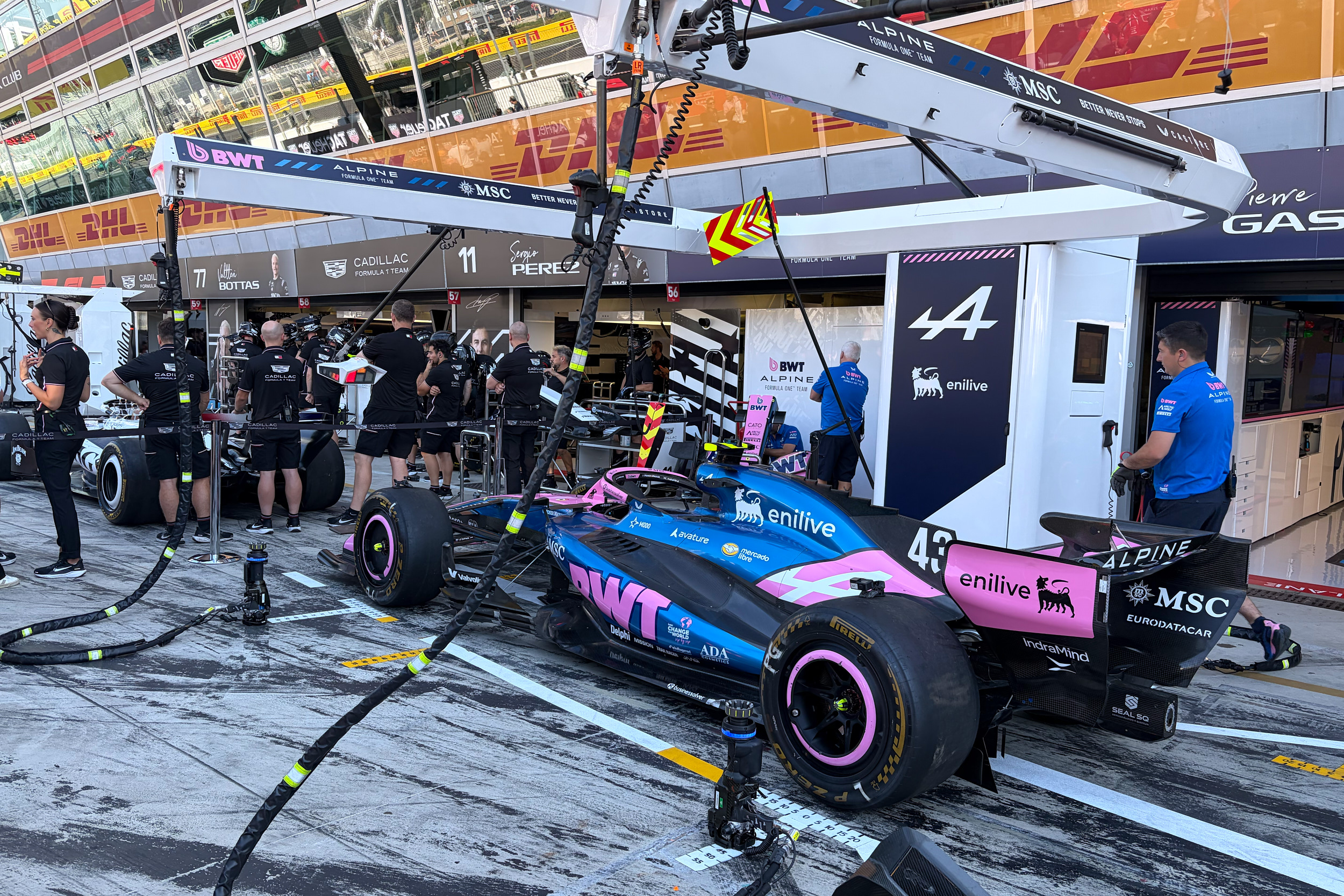
BWT Alpine Formula One Team competes out of its Enstone factory in Oxfordshire, where the operation has been based since 1992 in its previous guises as Benetton Formula, Renault F1 Team, and Lotus F1 Team. Enstone holds seven Formula One World Championships, including Drivers’ titles in 1994, 1995, 2005, and 2006 with Michael Schumacher and Fernando Alonso, and Constructors’ titles in 1995, 2005, and 2006. The 2026 car, the A526, is the team’s first Mercedes-powered entry, closing the Renault engine programme. Pierre Gasly leads the driver lineup, with Franco Colapinto alongside him. Flavio Briatore serves as Executive Advisor, Steve Nielsen as Managing Director.
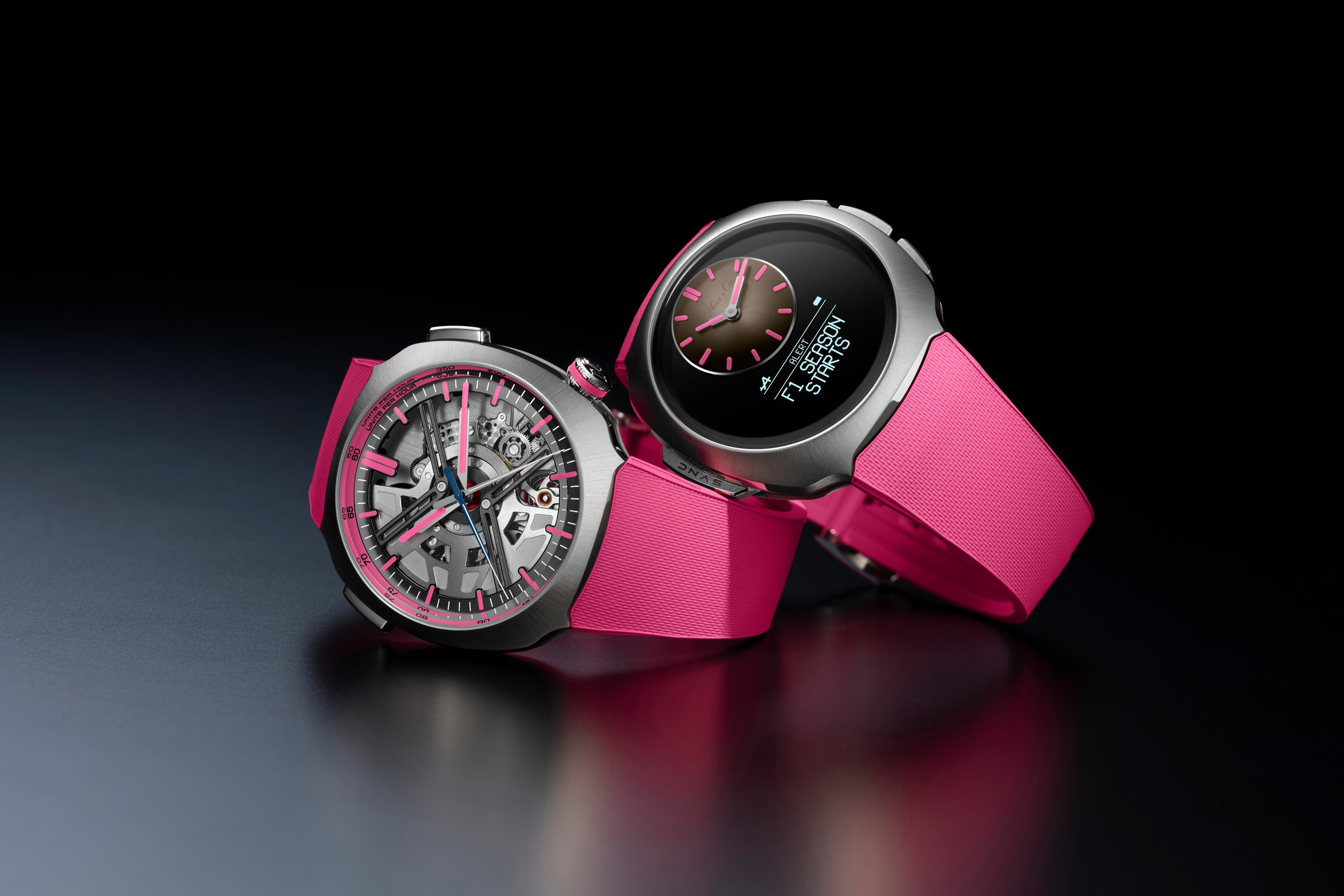
The timepieces born under the partnership have revolved around cool tool watches. The Streamliner Cylindrical Tourbillon Skeleton Alpine was the first, in May 2024, with its high-end HMC 811 calibre matching the team’s blue and pink liveries. May 2025 brought the Streamliner Alpine Drivers Edition and the Mechanics Edition in blue, a flyback chronograph HMC 700 developed with Agenhor and a connected calibre developed with Sequent, two watches with distinct engineering roles. The pink livery refresh followed in March 2026.
The Temple of Speed
Marking its own 25th anniversary, the Automobile Club of Milan decided to build a permanent circuit in January 1922. Due to the emerging car industry in the region, the Italian manufacturers wanted a stable testing facility for speed and endurance, and the semi-permanent Montichiari circuit that had hosted the first Italian car Grand Prix the year before was not sufficient. The project was entrusted to the architect Alfredo Rosselli. The first stone was laid by Vincenzo Lancia and Felice Nazzaro at the end of February 1922. Construction began on May 15 with 3,500 workers, 200 wagons, 30 trucks, and a 5-kilometer railway, and the track was completed in 110 days, opening for the first small cars race on September 3, 1922.
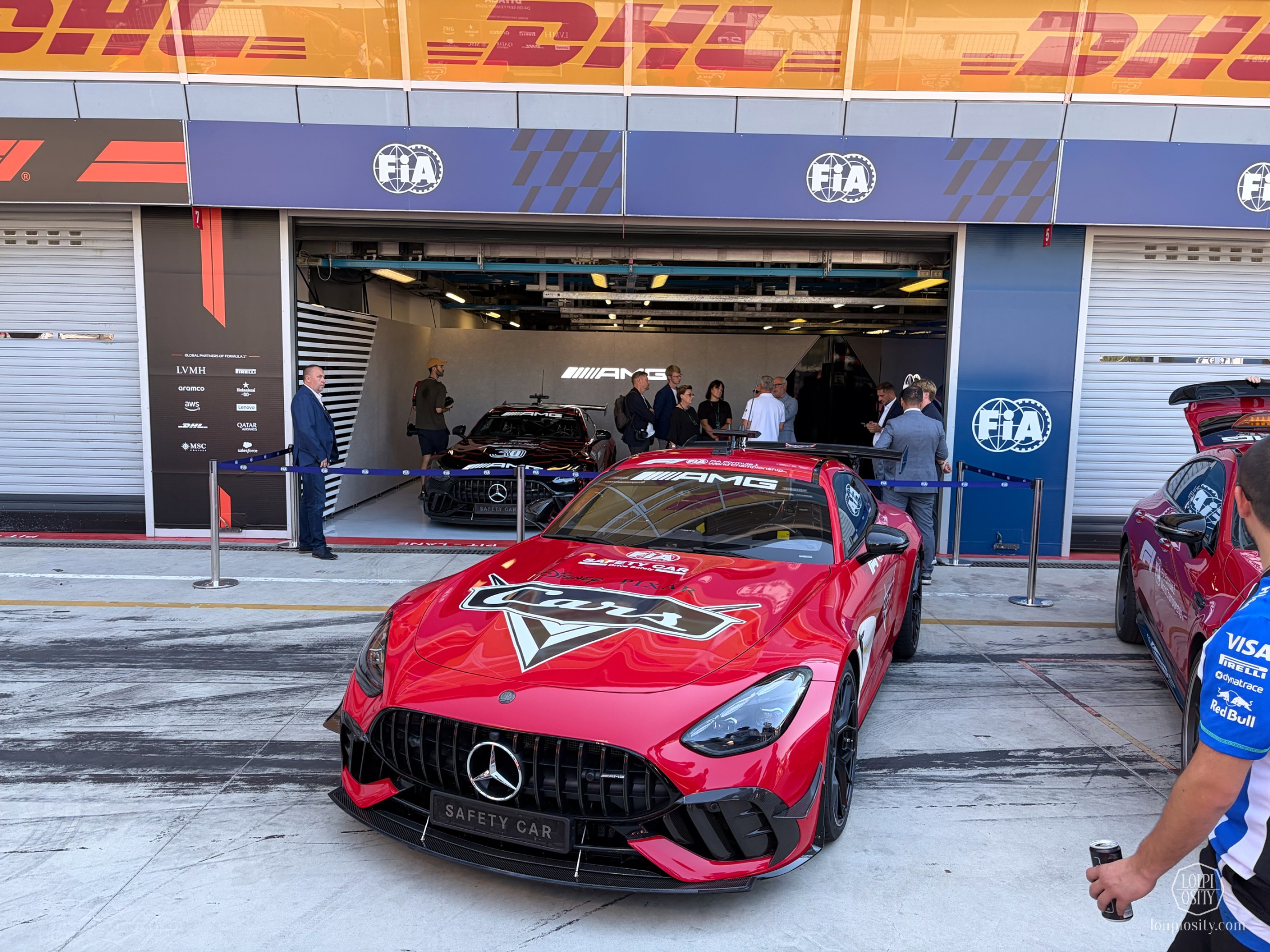
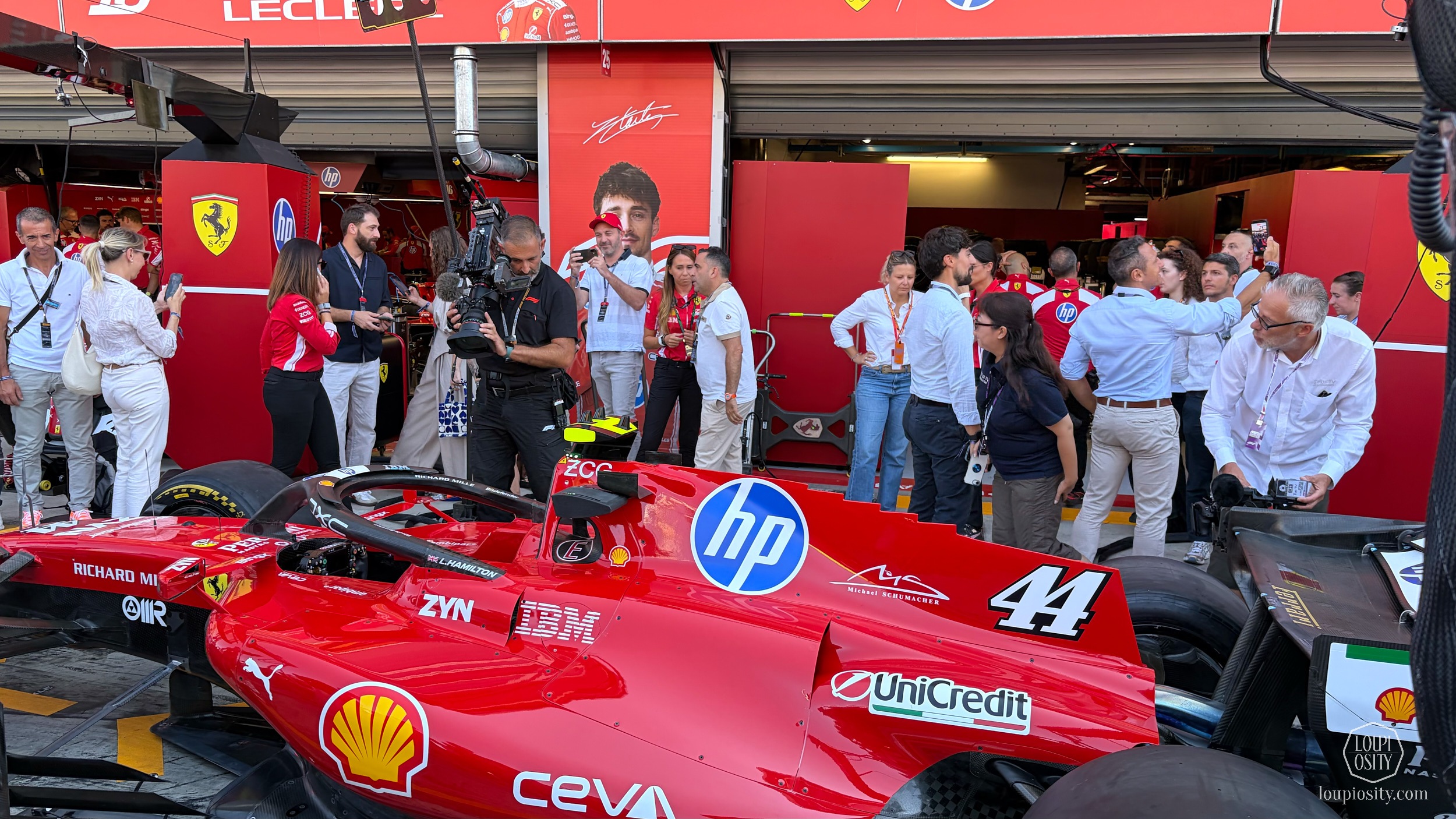
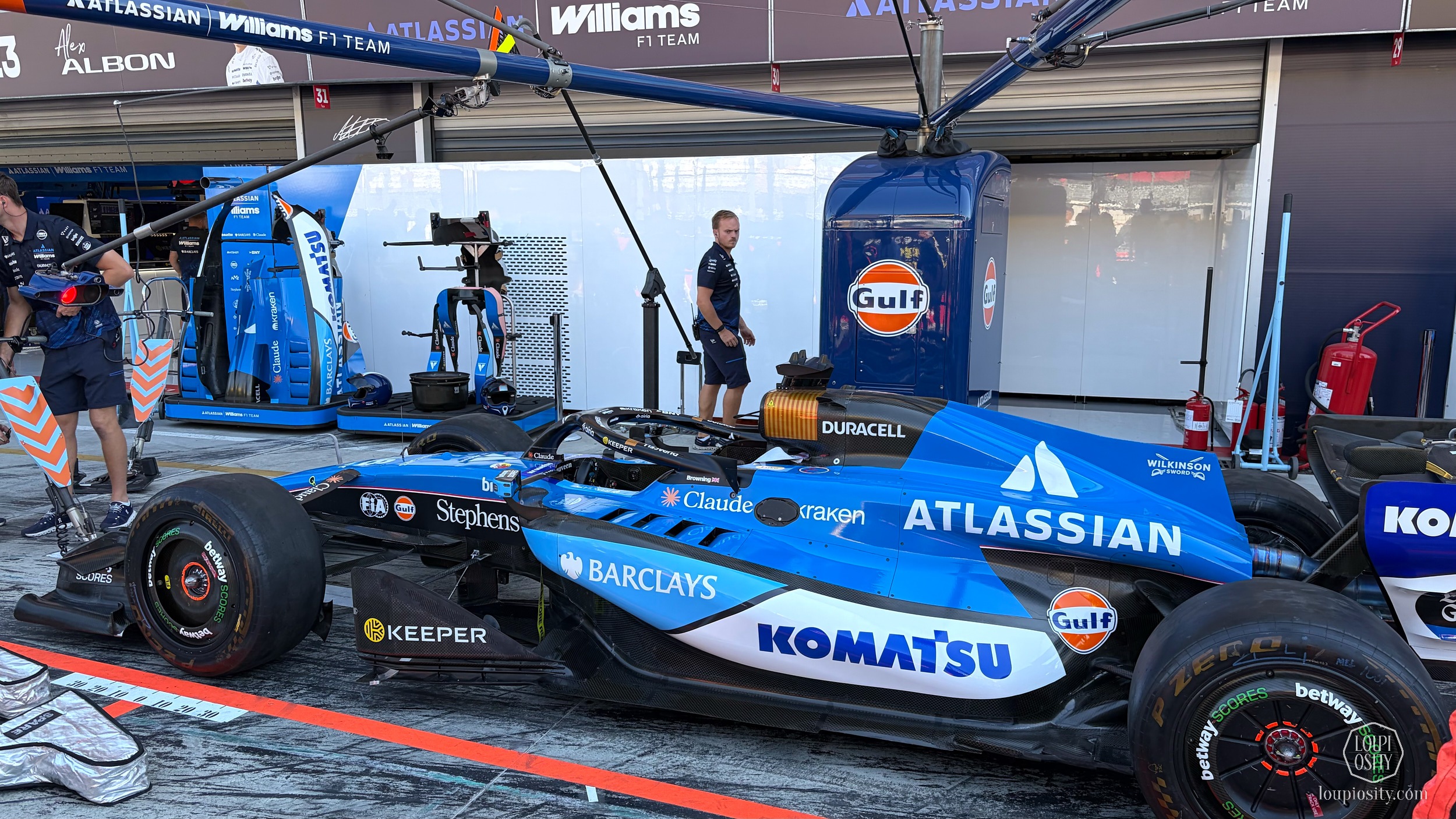
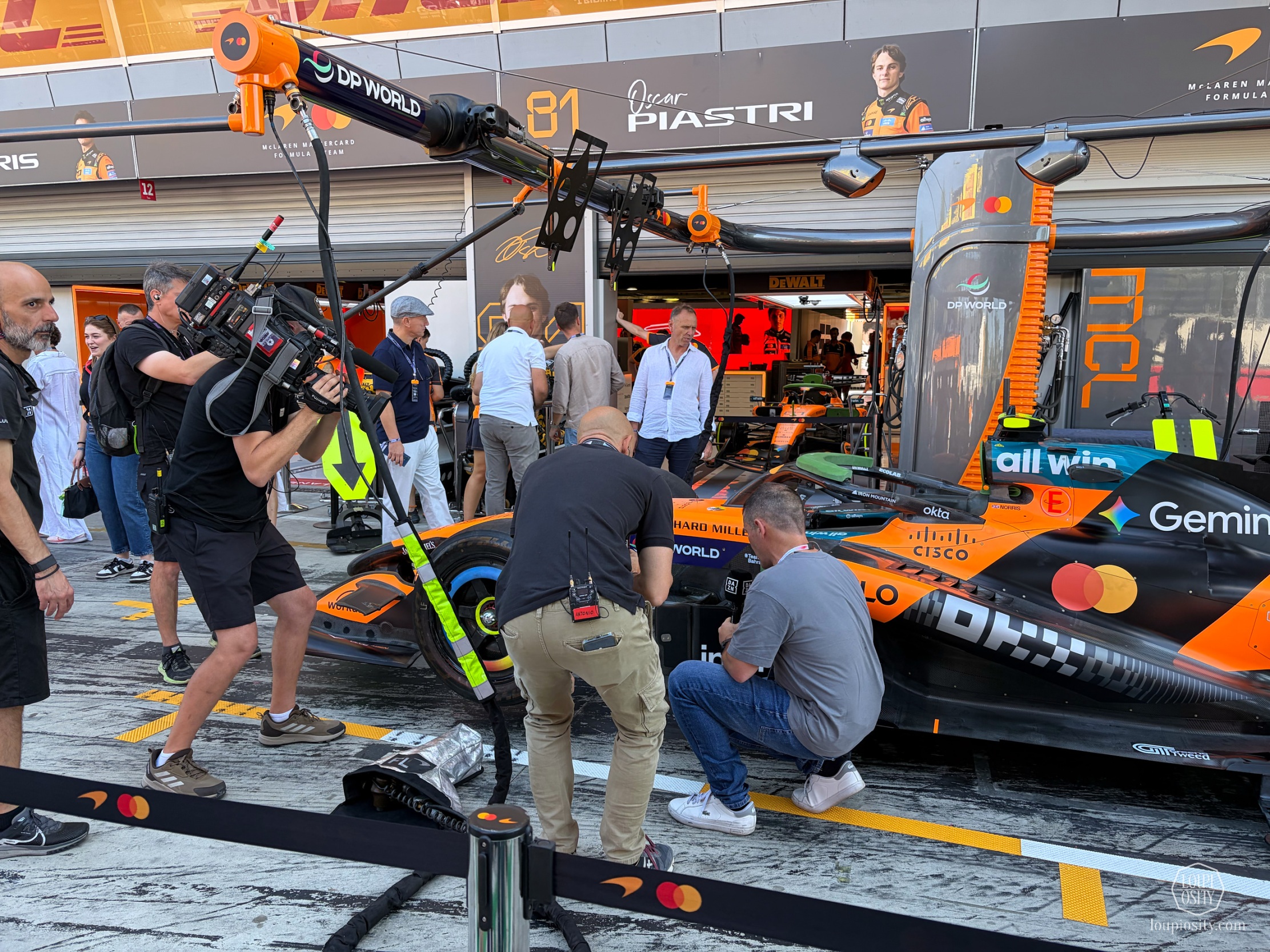
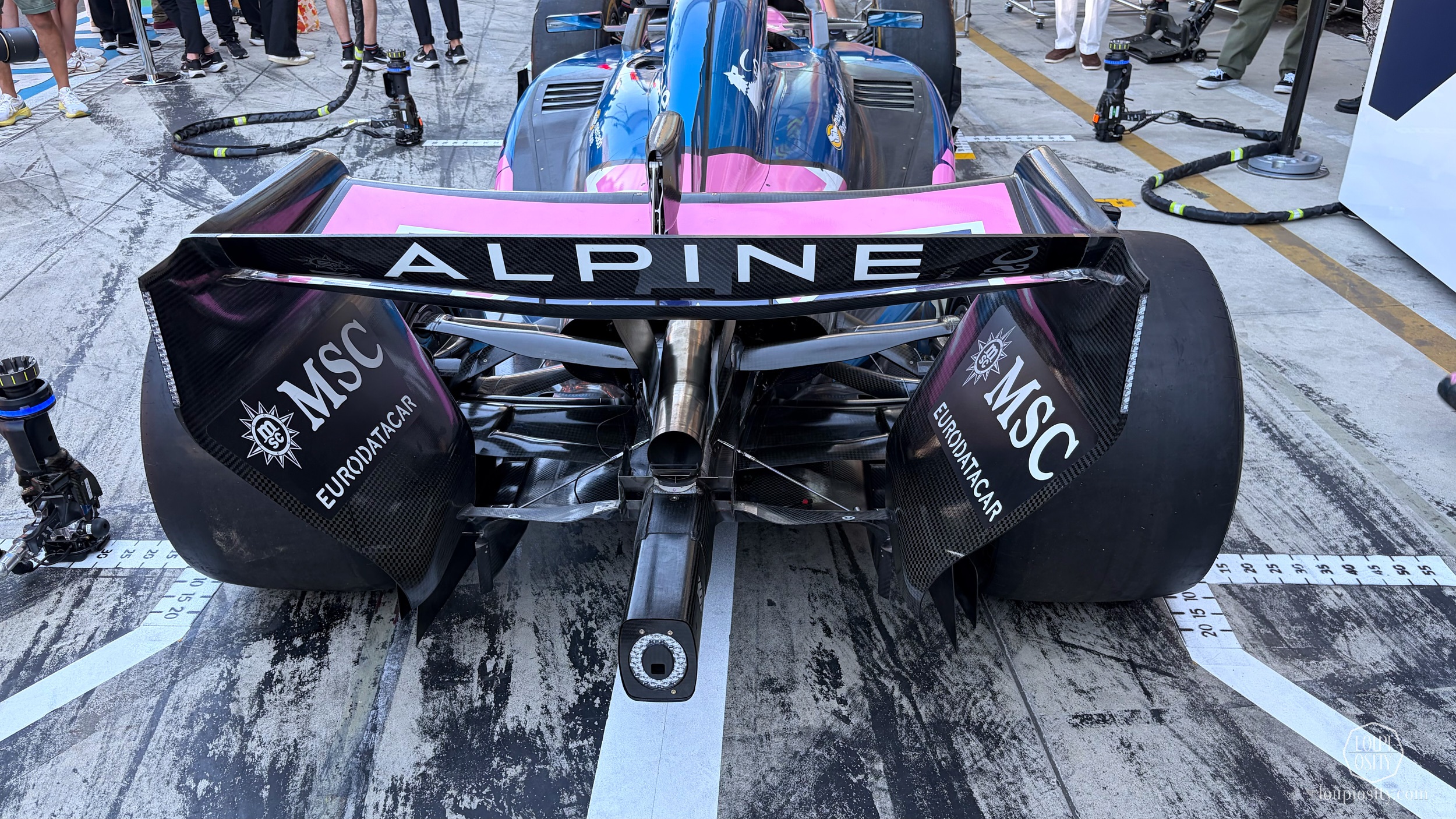
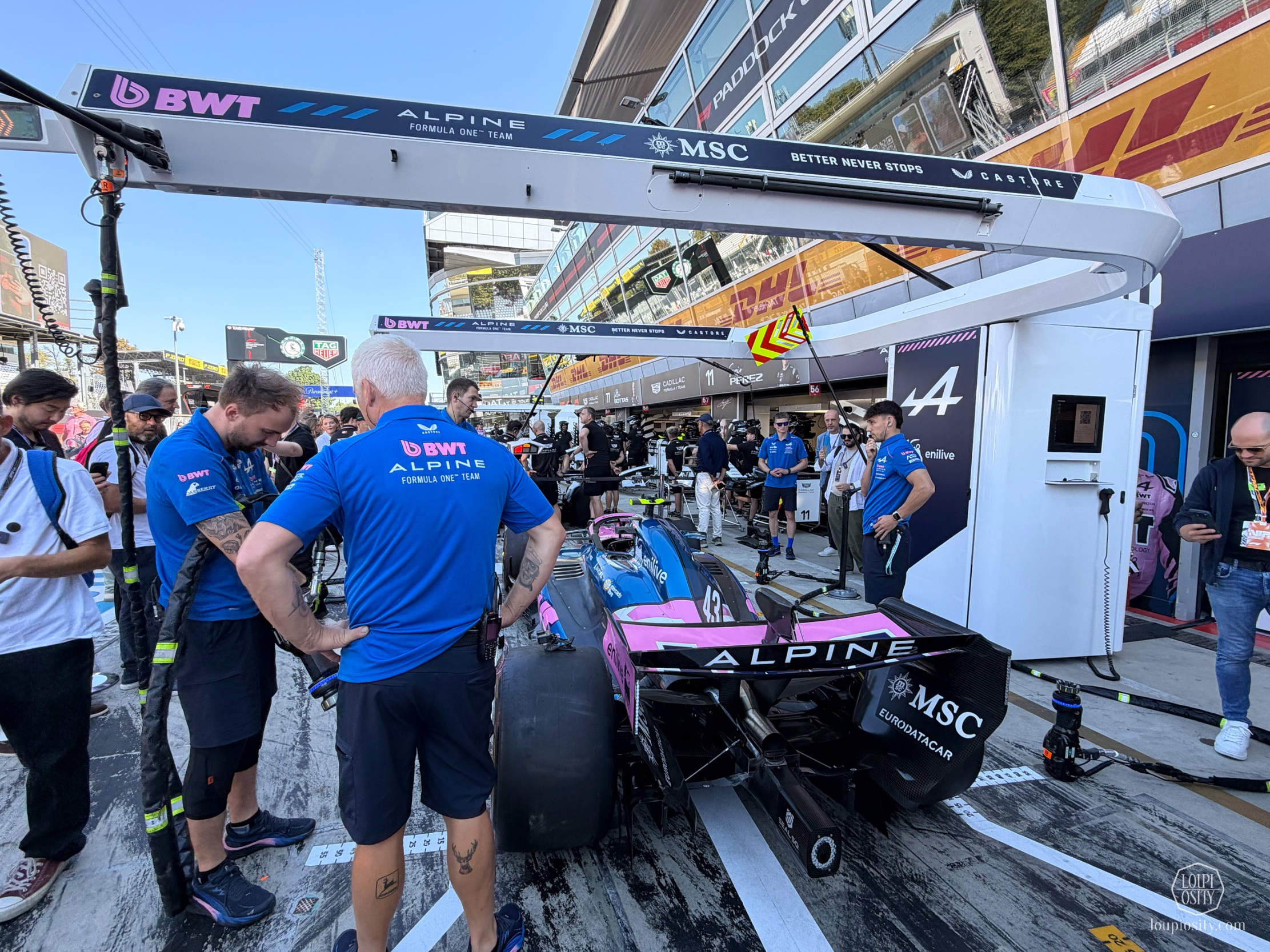
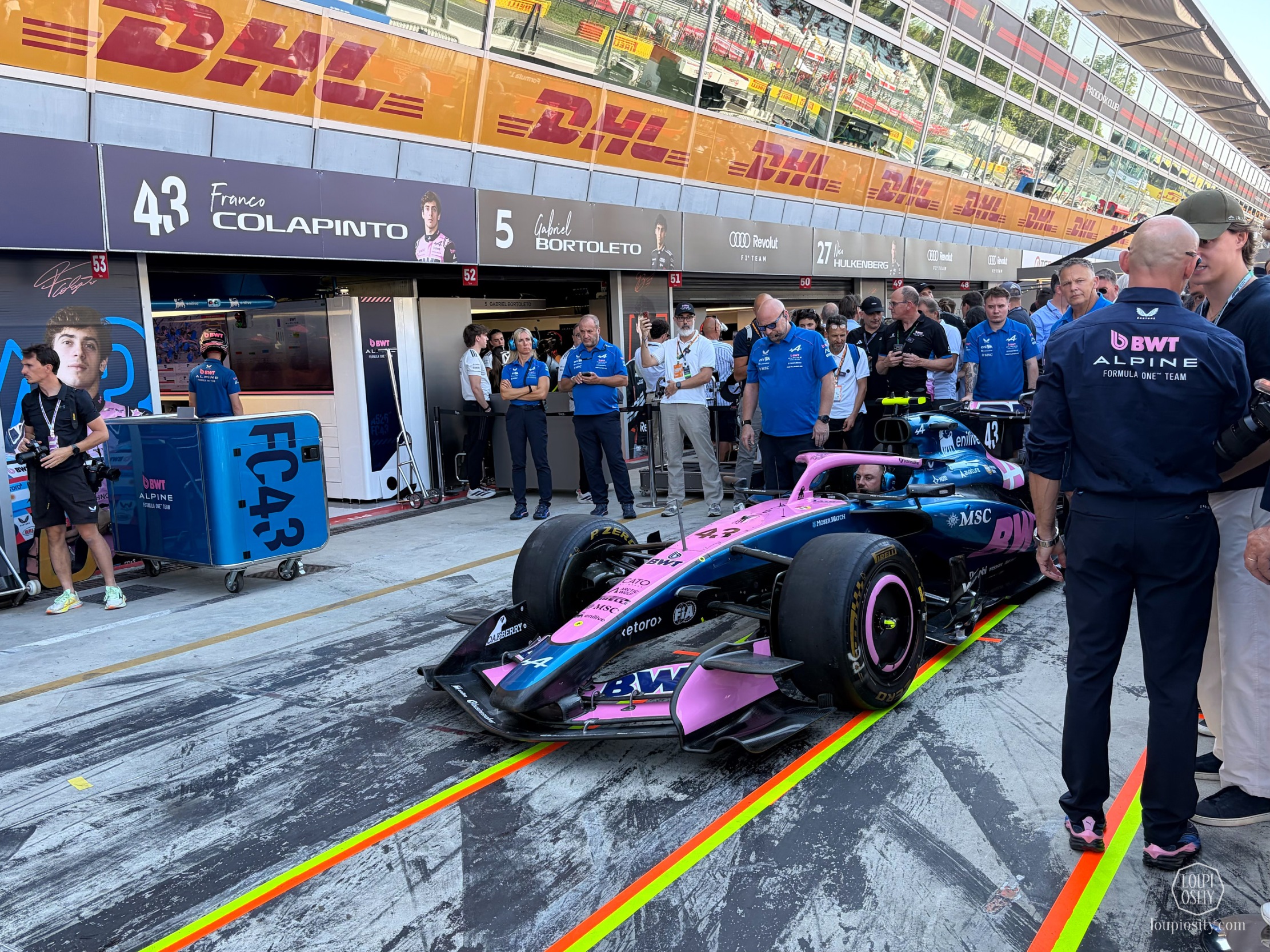
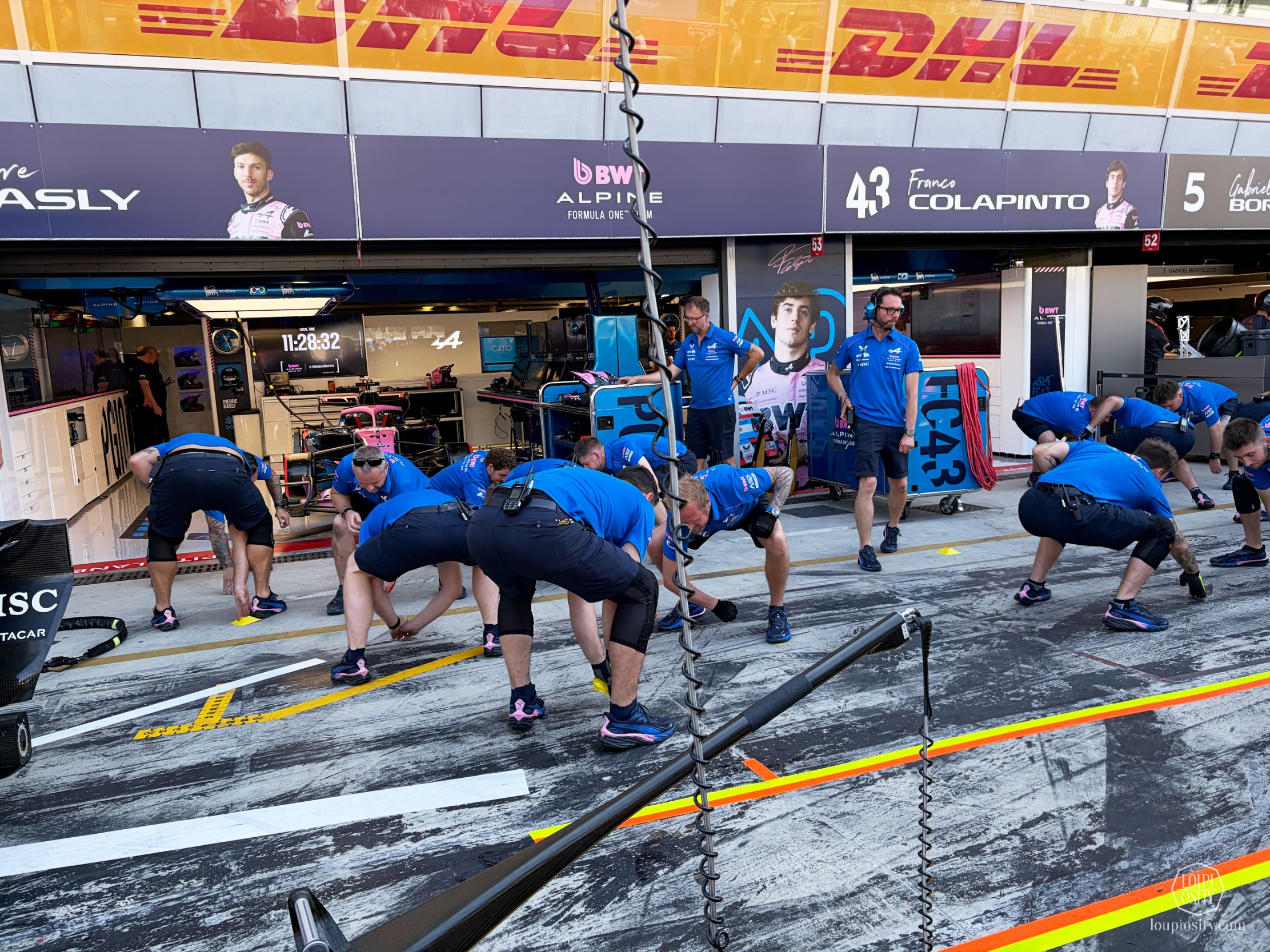
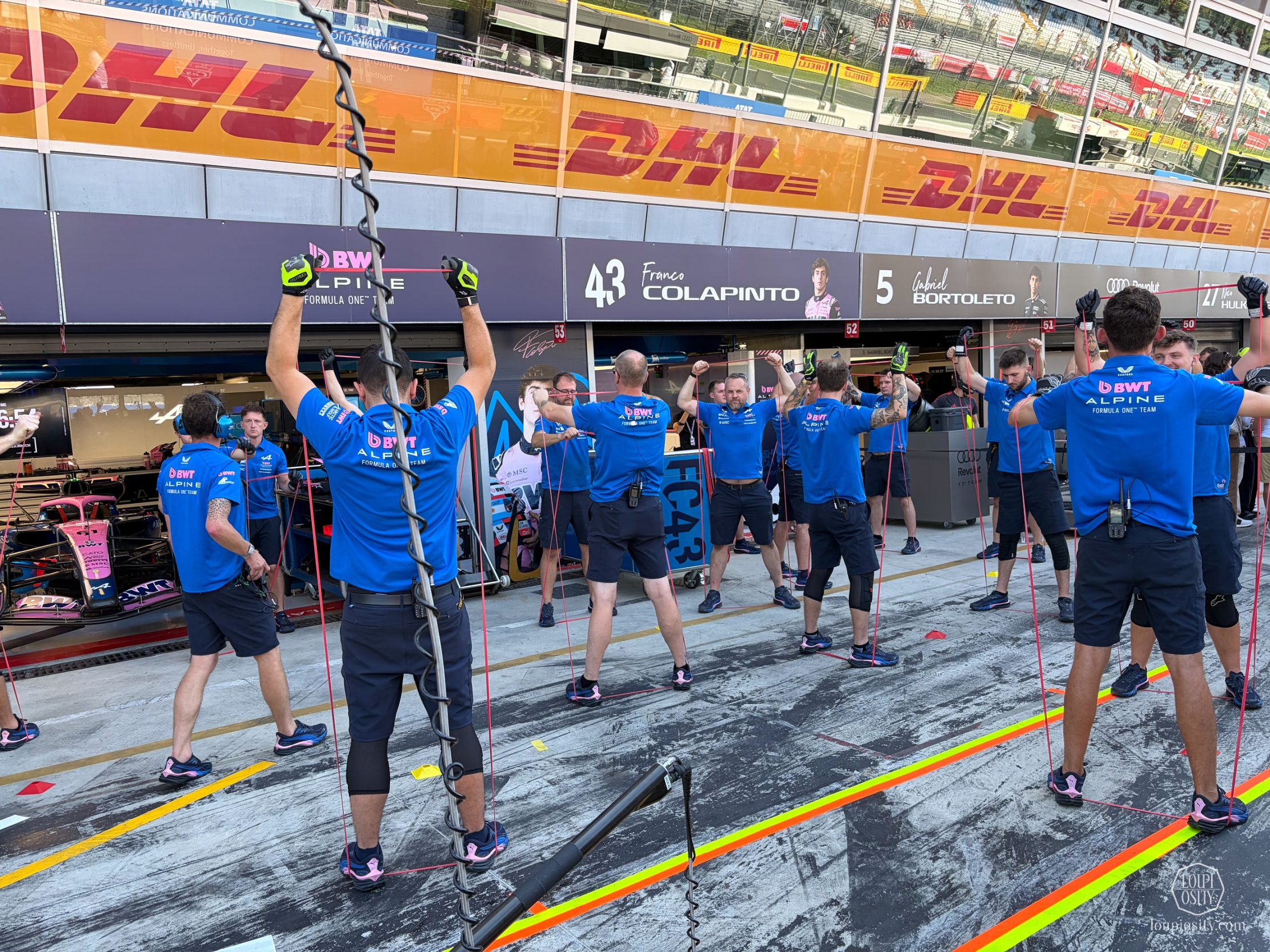
The original circuit combined a 5.5-kilometer road track with a 4.5-kilometer high-speed loop featuring two elevated curves, banked to allow theoretical speeds of 180 to 190 kilometers per hour. This was the architecture that earned Monza its name, the Temple of Speed. The layout evolved across decades, but the principle of speed held. The 1929 Monza Grand Prix saw Varzi in an Alfa Romeo and Alfieri Maserati reach 200 kilometers per hour in the fastest lap for the first time. The 1955 rebuild introduced reinforced concrete elevated curves calculated for a theoretical maximum of 285 kilometers per hour. The 1961 Italian Grand Prix, which cost the life of Ferrari driver Wolfgang von Trips and eleven spectators, ended the use of the high-speed oval for Grand Prix single seaters. Chicanes arrived in 1972 to curb averages that had crept toward 250 km/h, and the circuit settled into its current 5.793 km road layout. After more than a century, Monza is still the fastest F1 track in the calendar, with an average qualifying lap speed of 264.682 km/h set by Max Verstappen in 2025 and an official top speed recorded during a Grand Prix by Kimi Räikkönen, who was driving at 370.1 km/h in 2005.
Beyond the engineering history, Monza has significant cultural weight. The fans keep the track, the teams (especially Ferrari whose headquarters are in nearby Maranello) and the drivers on a religious pedestal.
Milan
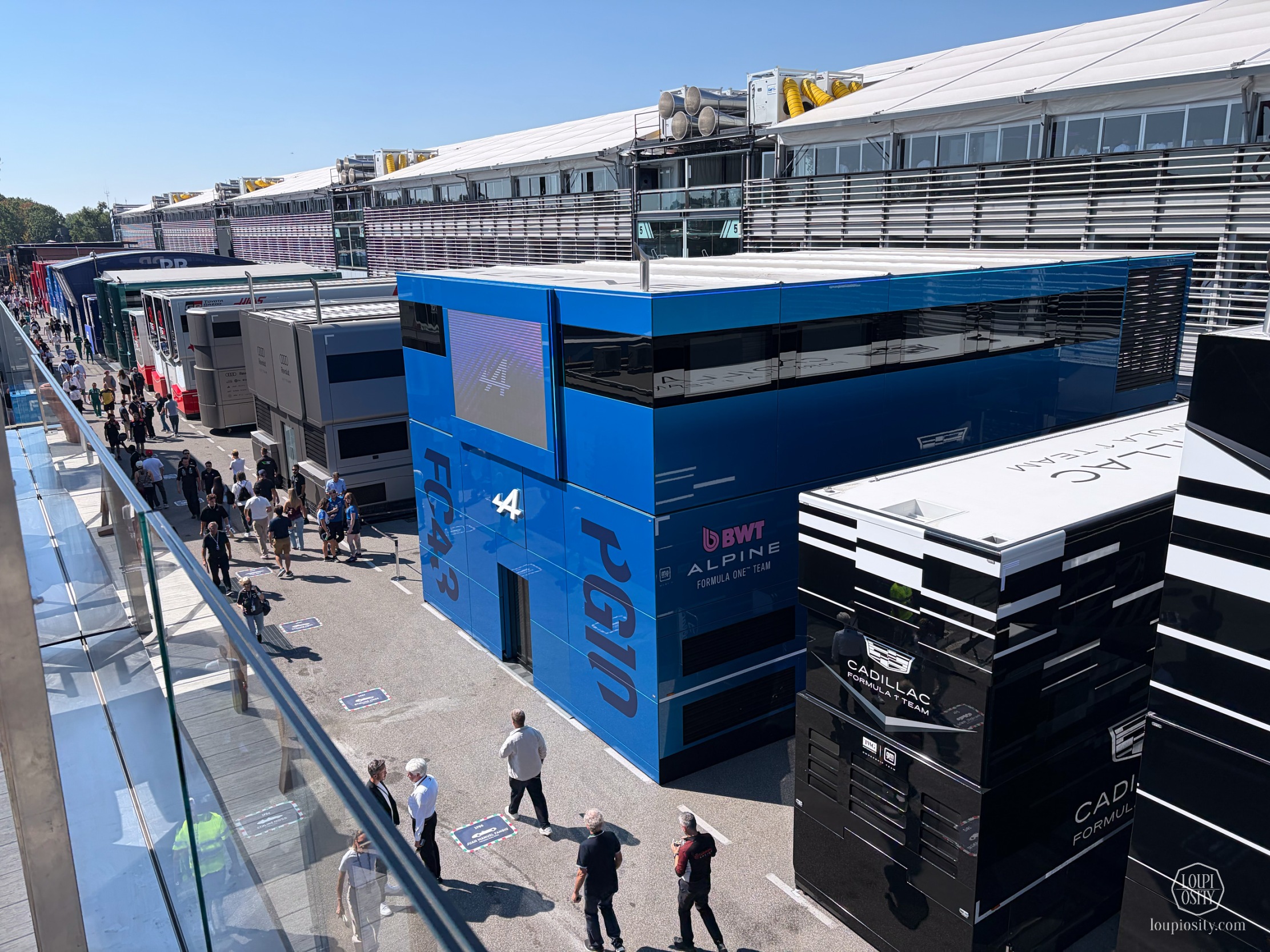
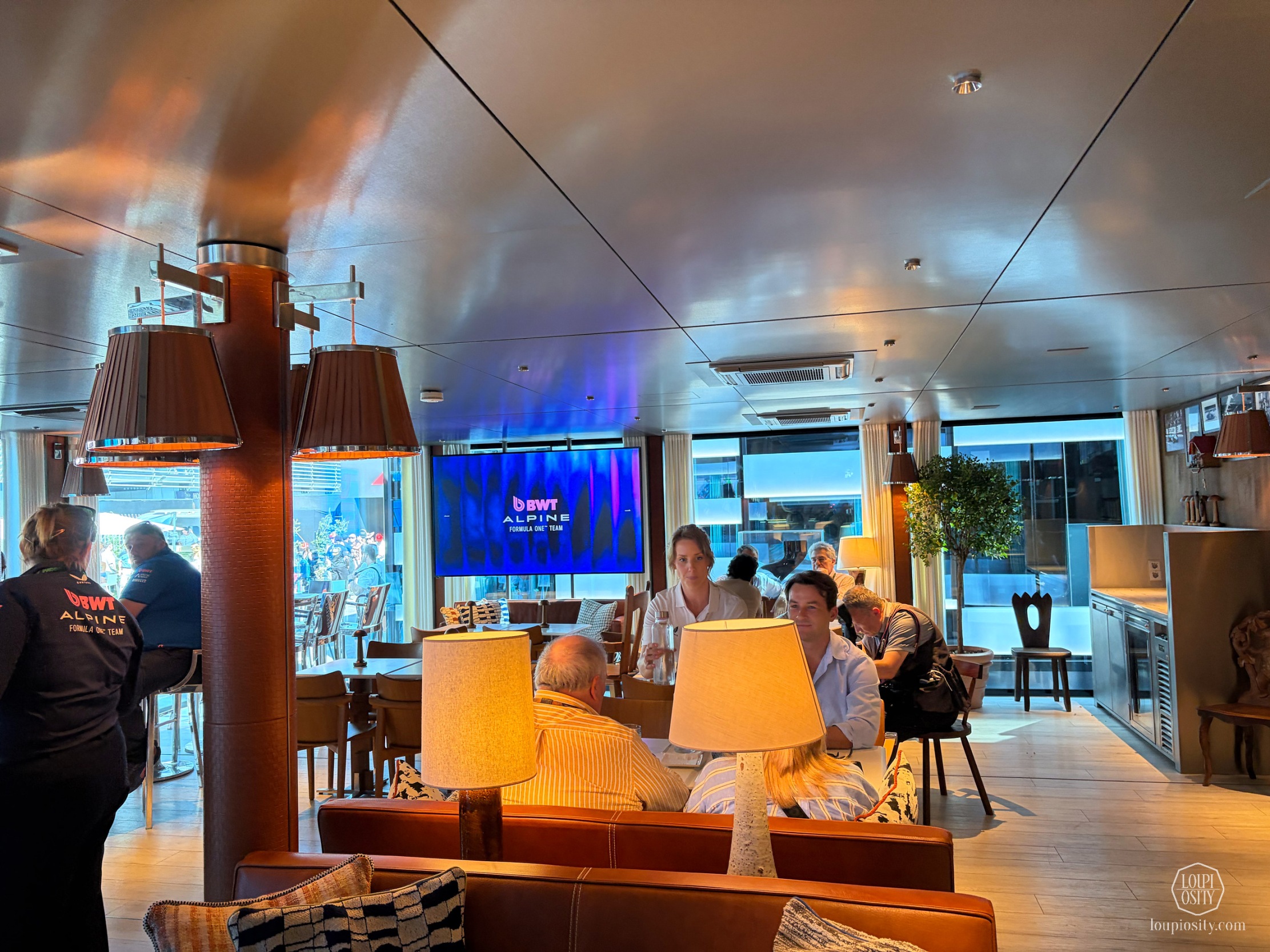
In the late 19th century, Milan was a motor behind the country’s extraordinary economic development, becoming Italy’s centre of industry and finance, and a world capital of fashion and design. Rivalry between Italian cities took all kinds of shapes, and the fast industrial developments of the age gave the tools to prove one’s superiority over another. The Automobile Club of Milan built the Monza circuit in 1922 to assert the city’s industrial weight. Three years later, the city of Brescia 150 kilometers to the east, answered by founding the road race Mille Miglia that ran from Brescia to Rome and back.
The textile industry and fashion were another pillar of Milan’s development. Even though the last “couturier-entrepreneurs” Giorgio Armani who lived and worked in the city, leaving a huge cultural legacy, passed away in September 2025, followed by Valentino in January 2026, the importance of Milan and Italy in world fashion remains undeniable. The “sprezzatura” and Italy’s high rate of watch ownership make the country a highly desirable market for H. Moser & Cie. No wonder that the manufacture had been looking for the right partner to seize the opportunity.
The Alpine pilots and Monza
The track and the region are important milestones for both Alpine F1 Team pilots, Pierre Gasly and Franco Colapinto.
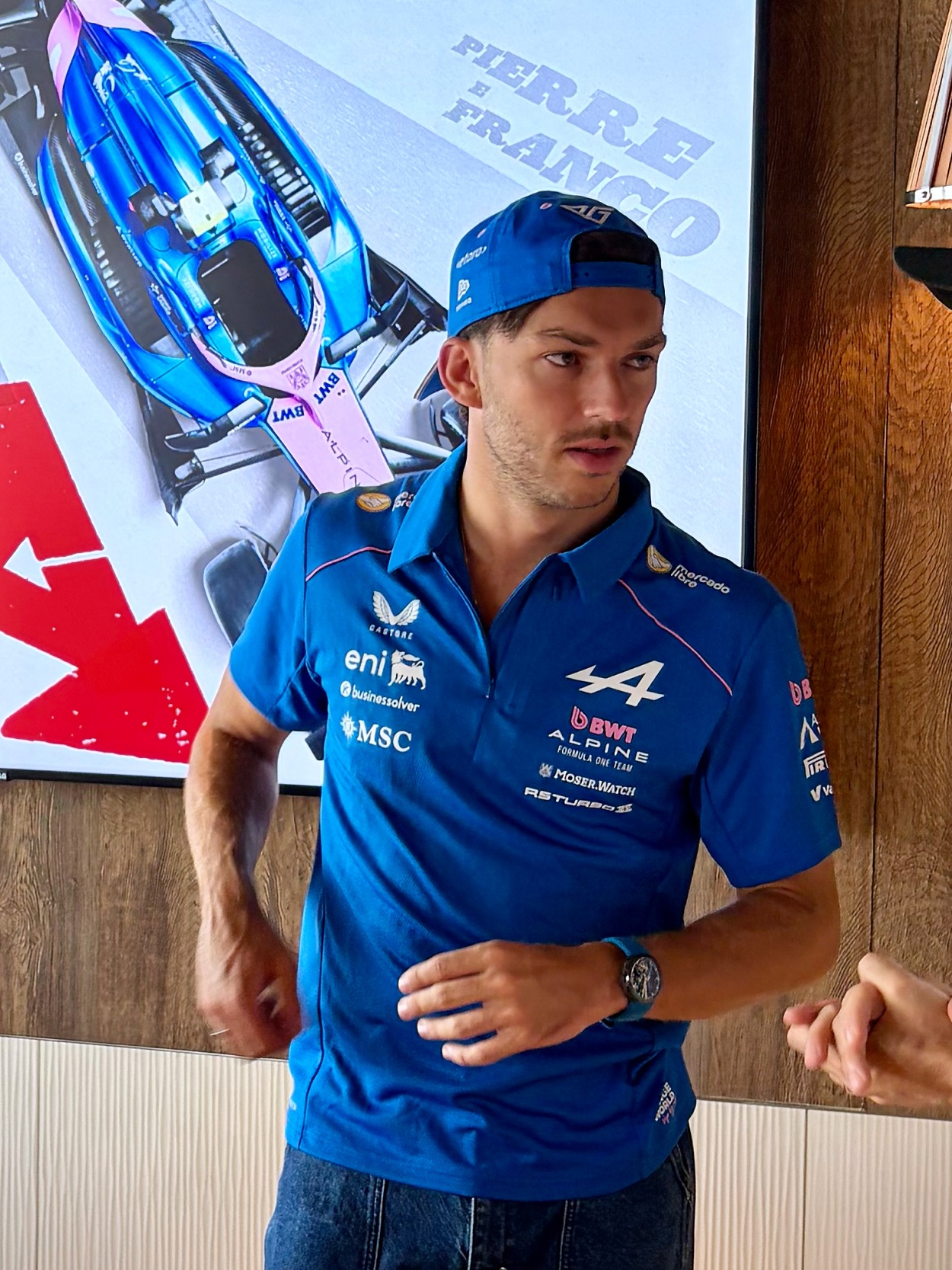
It was in Monza in 2014 when Gasly debuted in the GP2 Series (now Formula 2), which he would go on to win in 2016 with Italian team Prema Racing. He started his Formula 1 career in 2017 with Toro Rosso. His maiden win was in Monza in 2020, which he recalled at a reception on Wednesday. “Winning was great! But I’m yet to experience the podium, the tifosi, the Monza celebrations that every driver grows up hearing about. Due to the COVID protocols, none of it happened in 2020,” he said.
Originally from Normandy, he moved to Milan in 2019 and has been living in the city ever since. Monza is not just a race weekend for him, it is home territory.
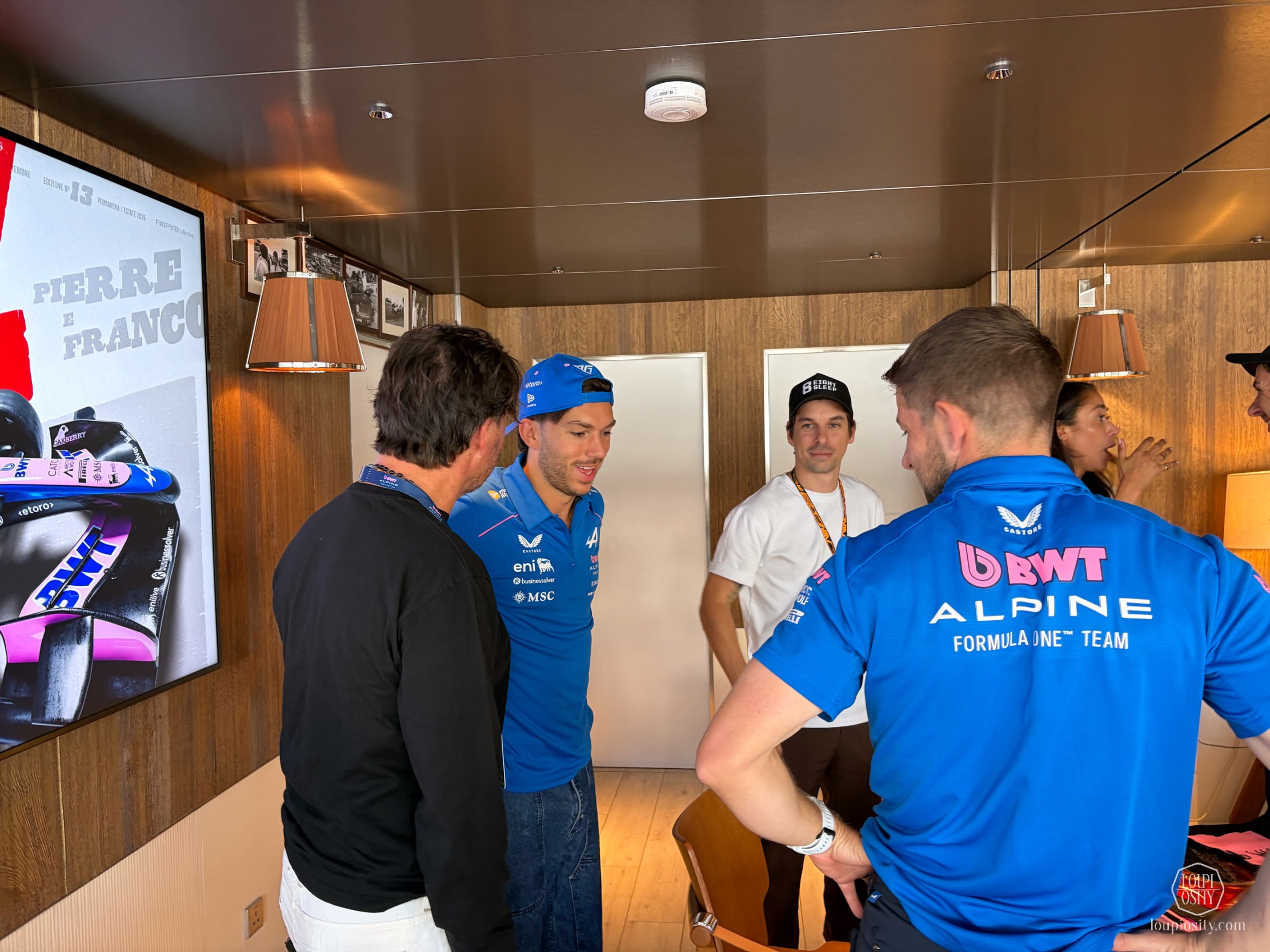
Italian weekends have become milestones for his team-mate the Argentinian Franco Colapinto, too. He stepped up to FIA Formula 3 in 2022 and took his maiden win in the Sprint Race at Imola, and then claimed a second Sprint Race win at Monza the same year. In May 2024, he secured his first Formula 2 win, again at the Imola Sprint Race, making a final-lap overtake for first place. His Formula 1 debut came at the 2024 Italian Grand Prix with Williams, replacing Logan Sargeant for the remainder of the season. A year later, he was back at Monza in Alpine colors.
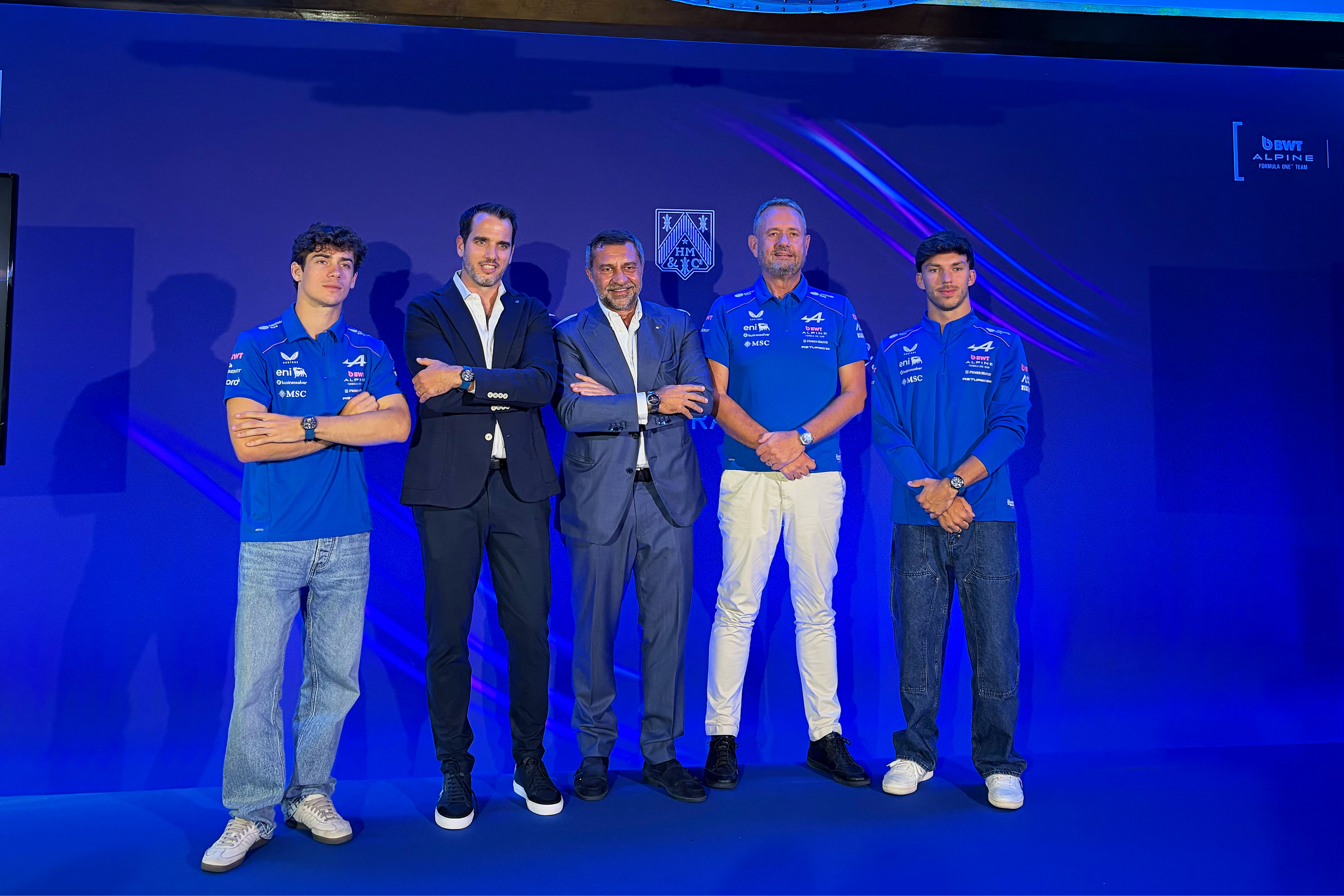
Gasly came to the new H. Moser & Cie. boutique opening wearing the novelty, the Streamliner Tourbillon Skeleton Ceramic Alpine Limited Edition. “I used to appreciate the looks of watches only until I met the watchmakers and have learnt how much work actually goes into this. This is similar to Formula 1 in the sense that people follow the qualifiers and the race, and just like me with watches, they do not realise that this is the visible side of F1. Underneath, tremendous effort by mechanics and pilots goes into getting ready for this relatively brief event, the race,” he explained.
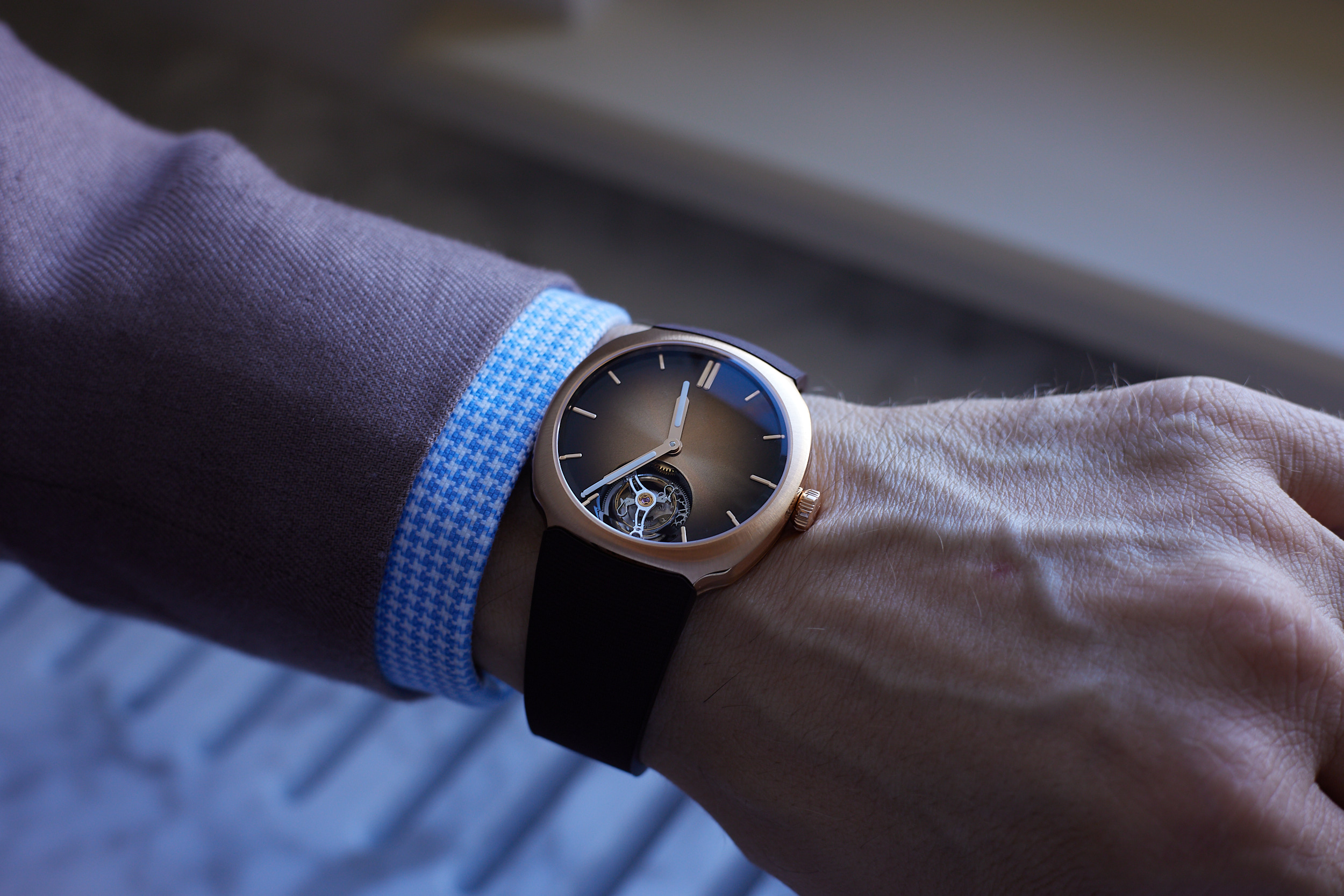
Gasly’s openness carried into his creative role with H. Moser. He conceived the object, chose the textures, and insisted on the tourbillon. He named the dial color himself, Chocolate fumé, a deep brown that he wanted to reflect what he called a restrained, slightly mysterious character. The Streamliner Tourbillon Pierre Gasly was released in October 2025 in two versions, a limited edition of 100 on a rubber strap and 10 on a red gold bracelet, with a ruby set at ten o’clock as a reference to his racing number.
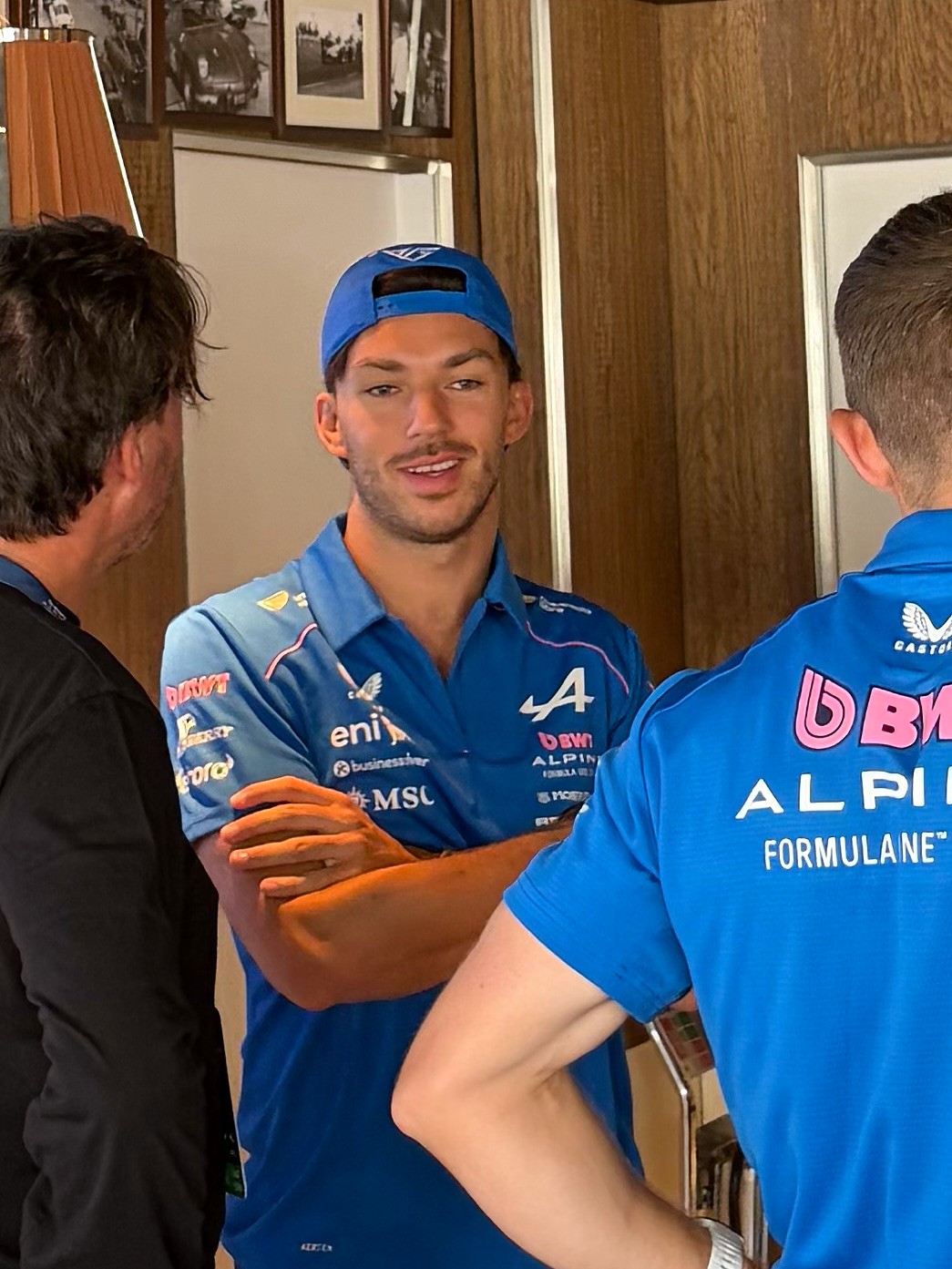
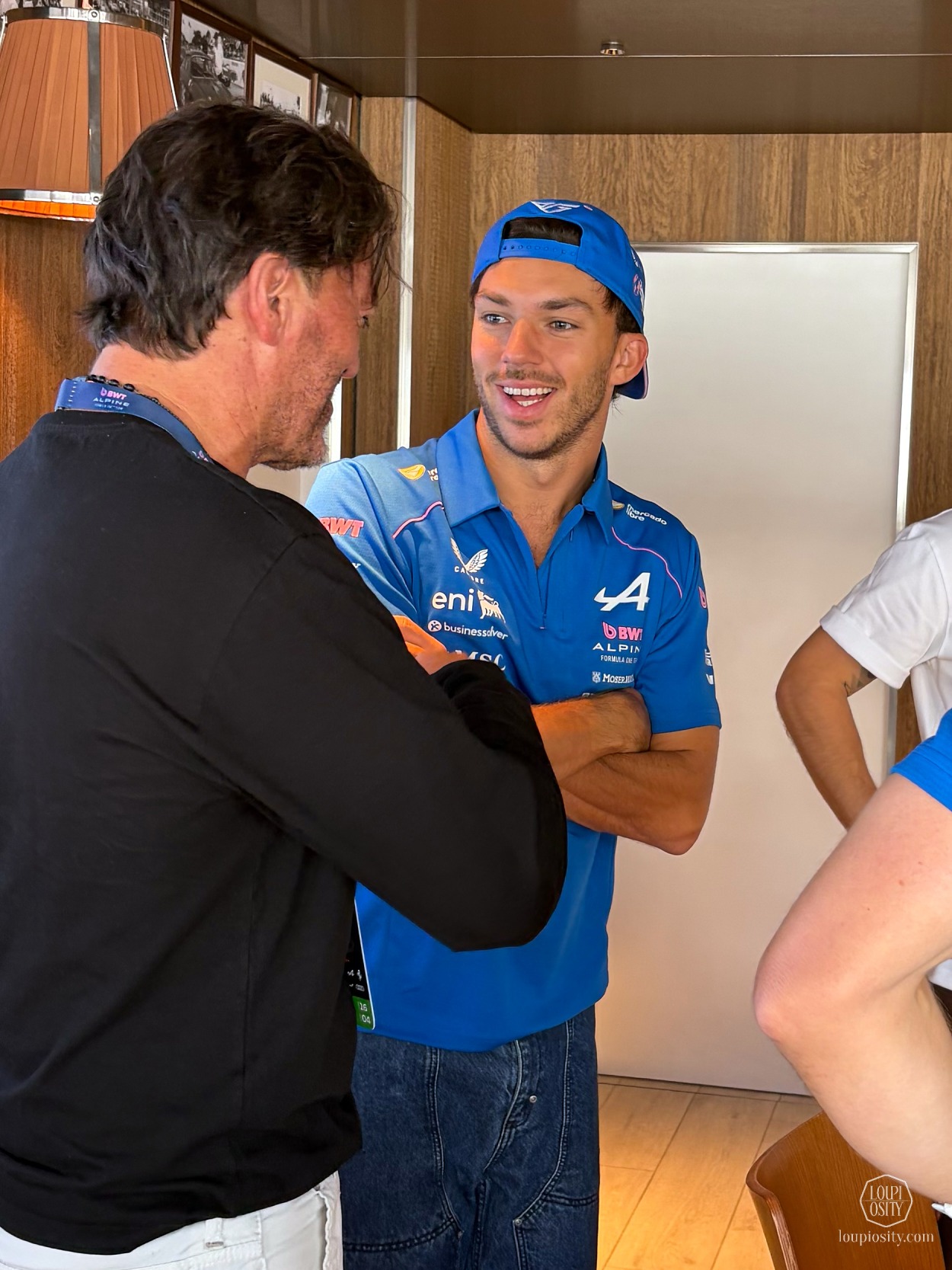
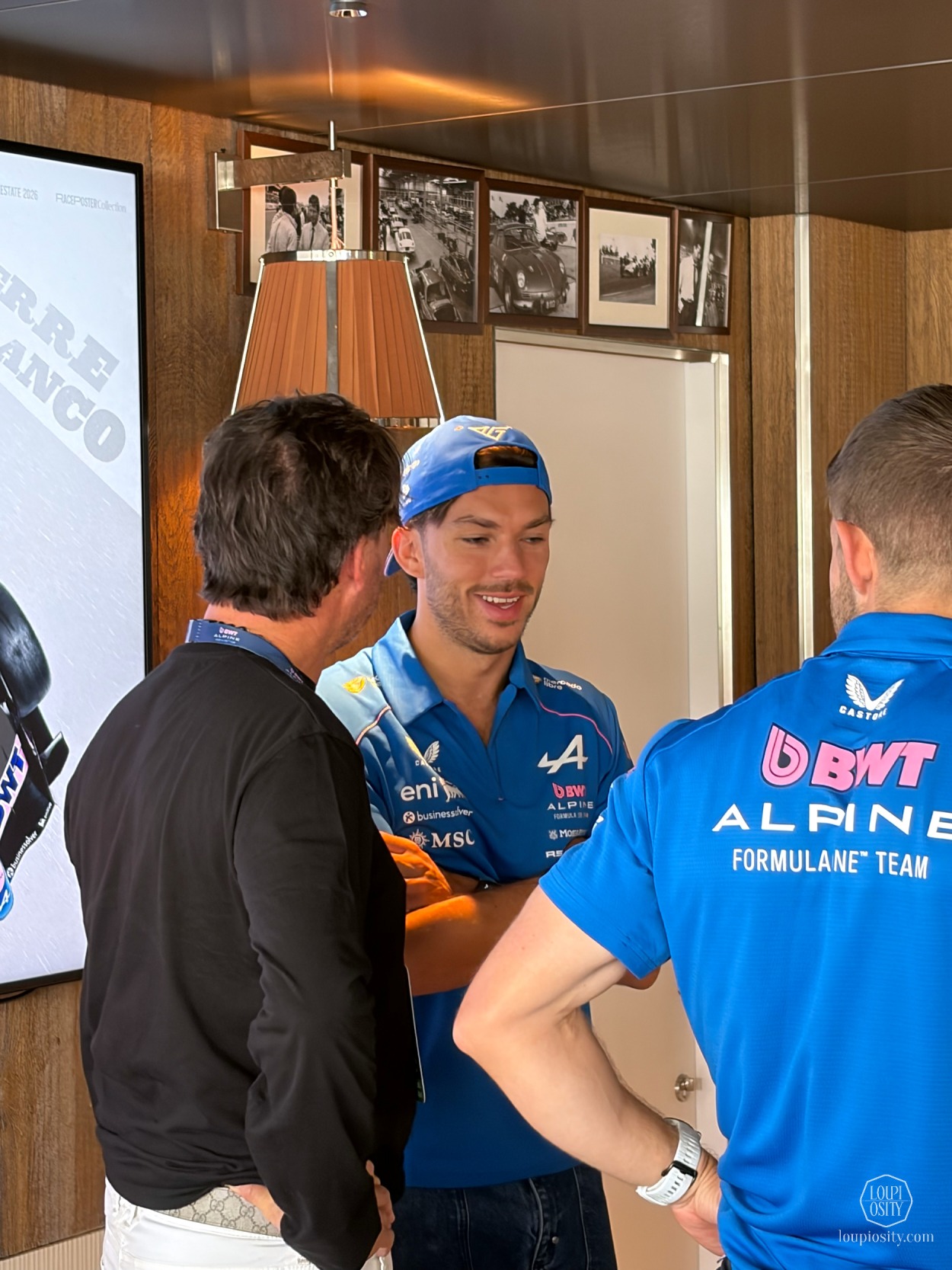
Everything is about the race at the Monza circuit this weekend. Or is it? The story continues with the new Streamliner Tourbillon Skeleton Ceramic Alpine Limited Edition and the new H. Moser & Cie. boutique in Milan.
Photo credits: Loupiosity.com.
All registered trademarks are property of their respective owners.
All rights reserved.