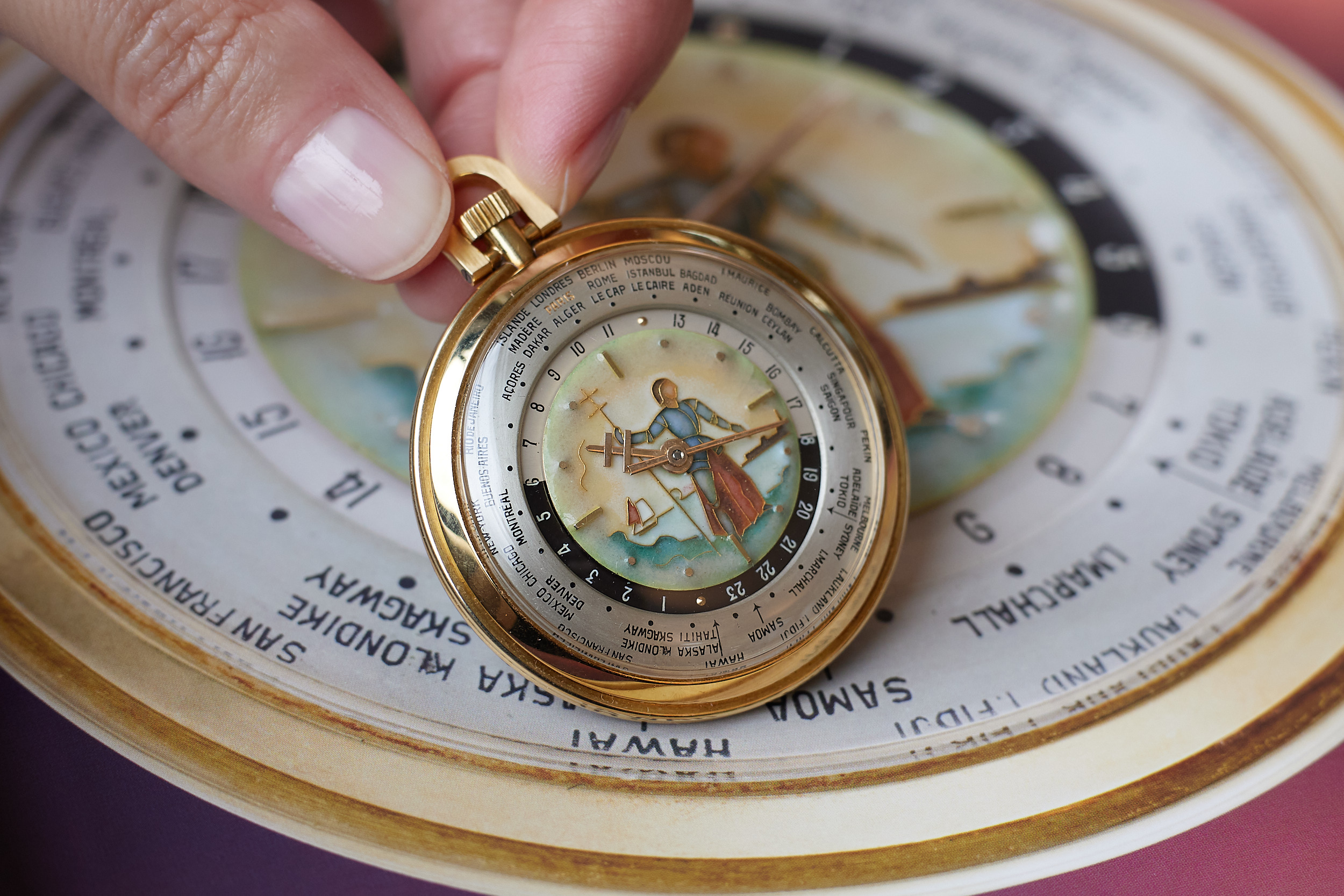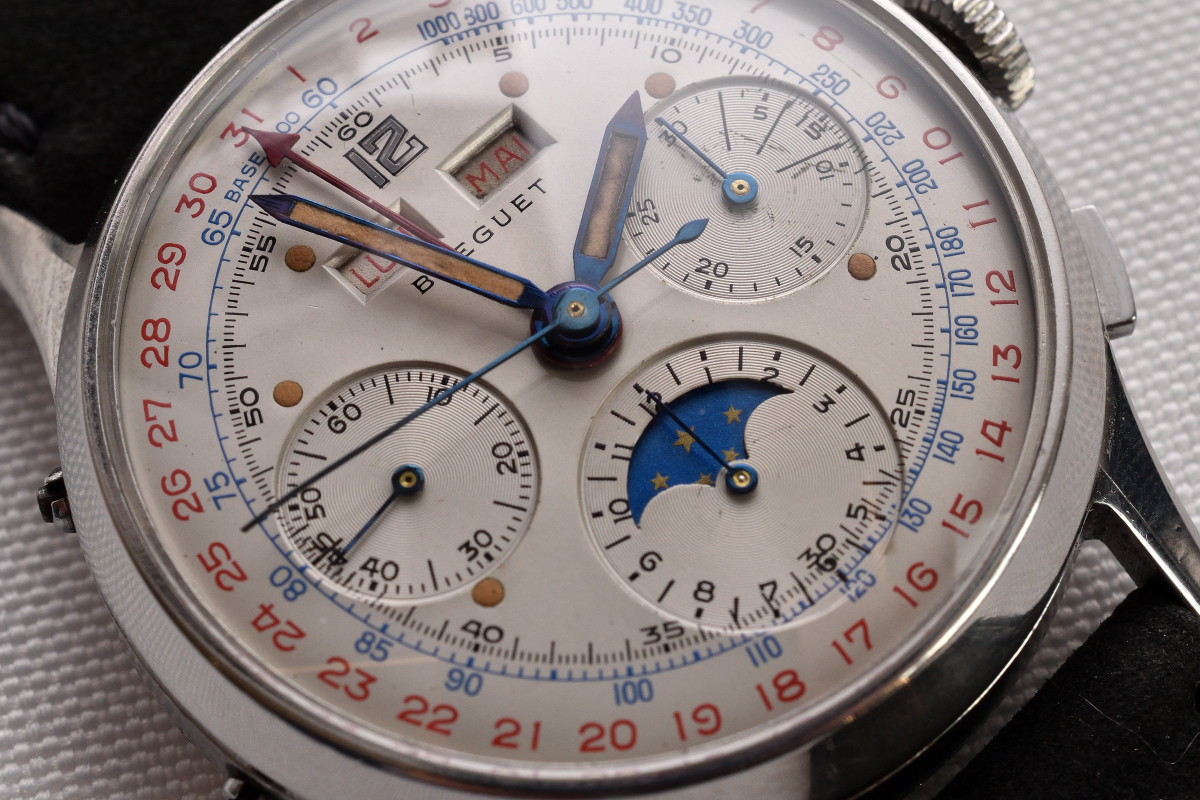
On 9 and 10 May 2026, the Hôtel Président Wilson in Geneva will host the Phillips Geneva Watch Auction: XXIII. This sale presents over 200 exceptional timepieces, anchored by a rare collection of calendar and astronomical complications, historically significant prototypes, and special creations.
UPDATE – 10 May: The Geneva Spring Season (March Online/May Live) of Phillips in Association with Bacs & Russo surpasses the US$ 100M mark (CHF 78M / EUR 85M) for the first time in watch auction history.
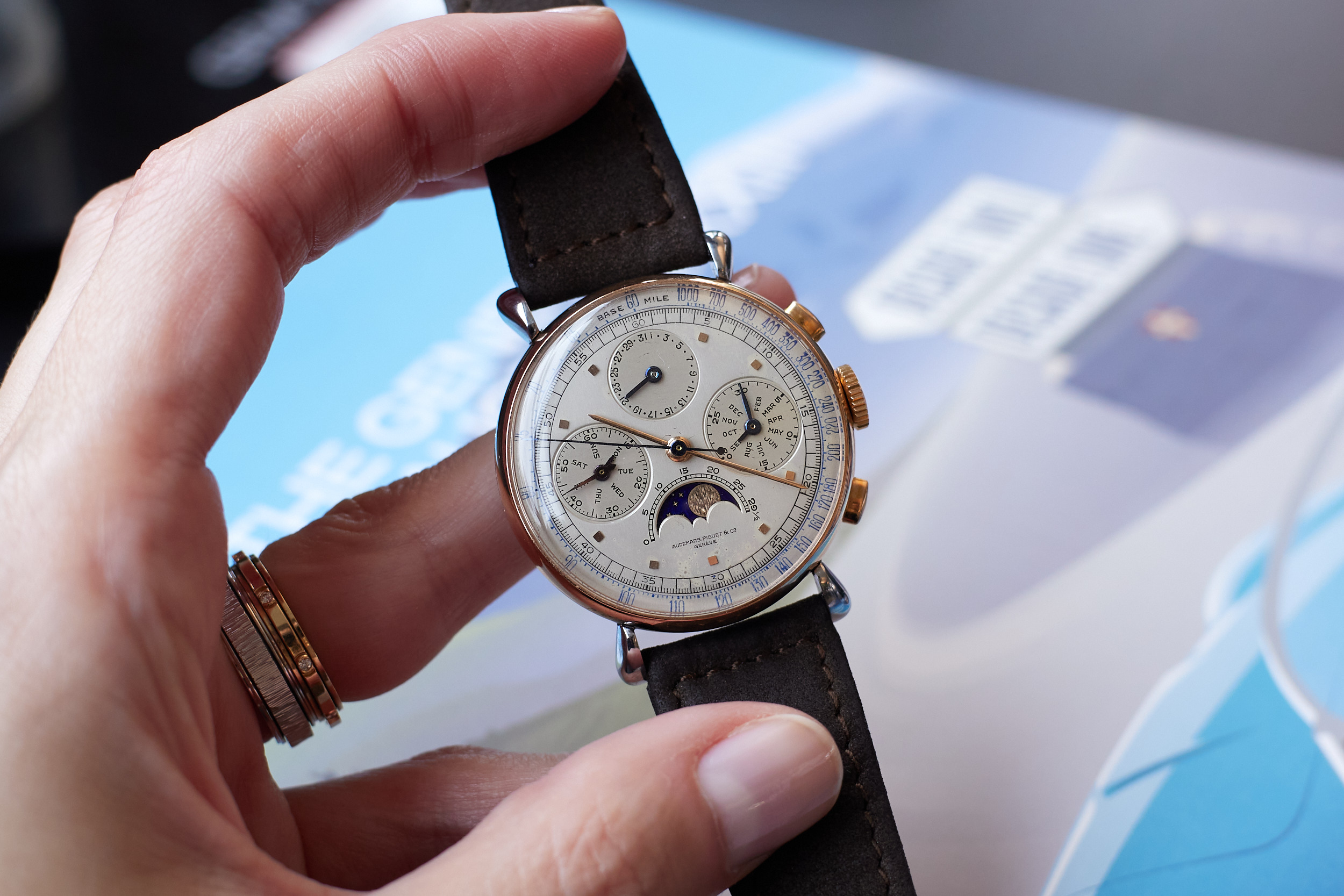
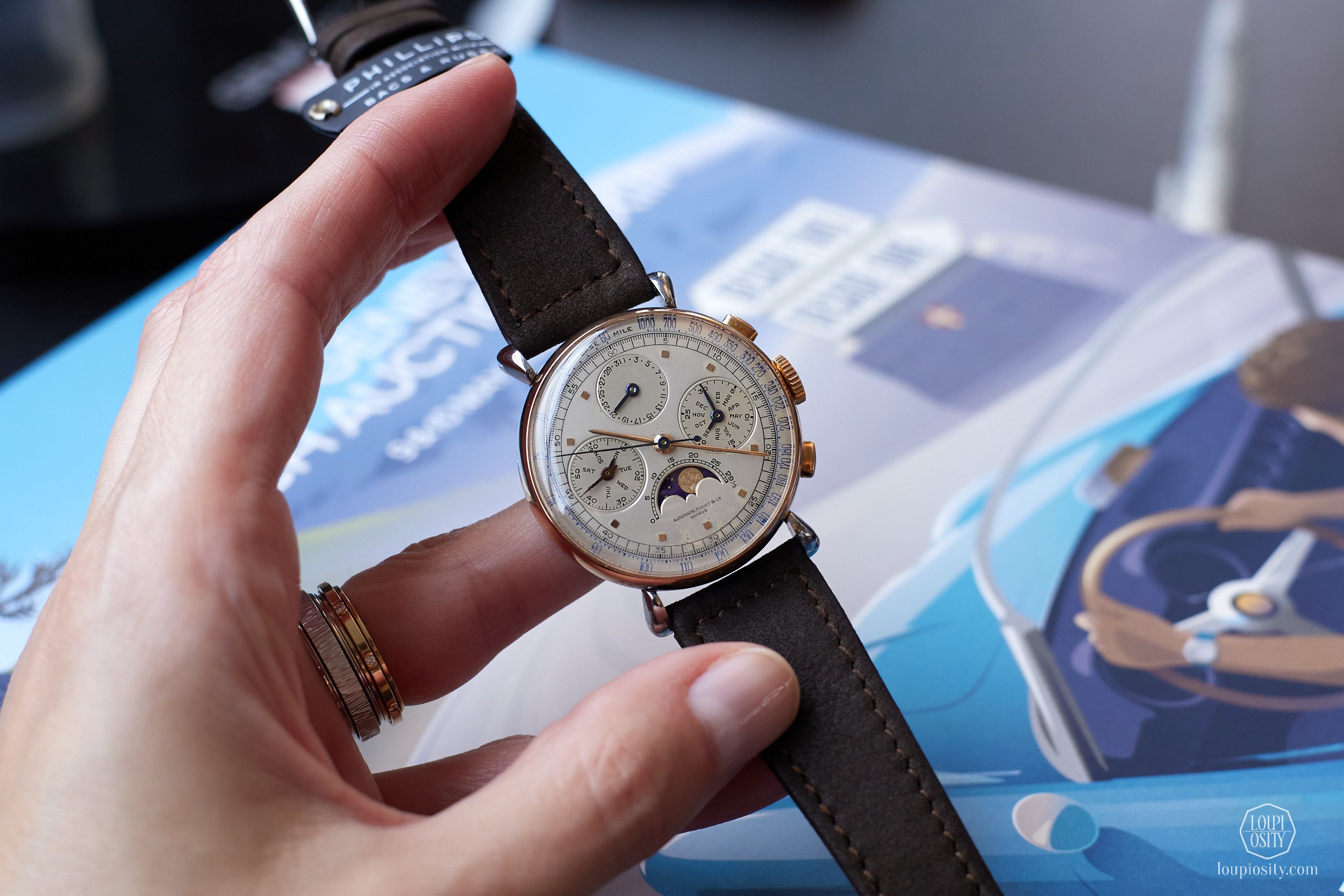
Lot 26: Audemars Piguet Ref. 5503 triple-calendar chronograph – sold for CHF 1,092,200
Lot 36 Akrivia AK-06 – sold for CHF 3,000,000
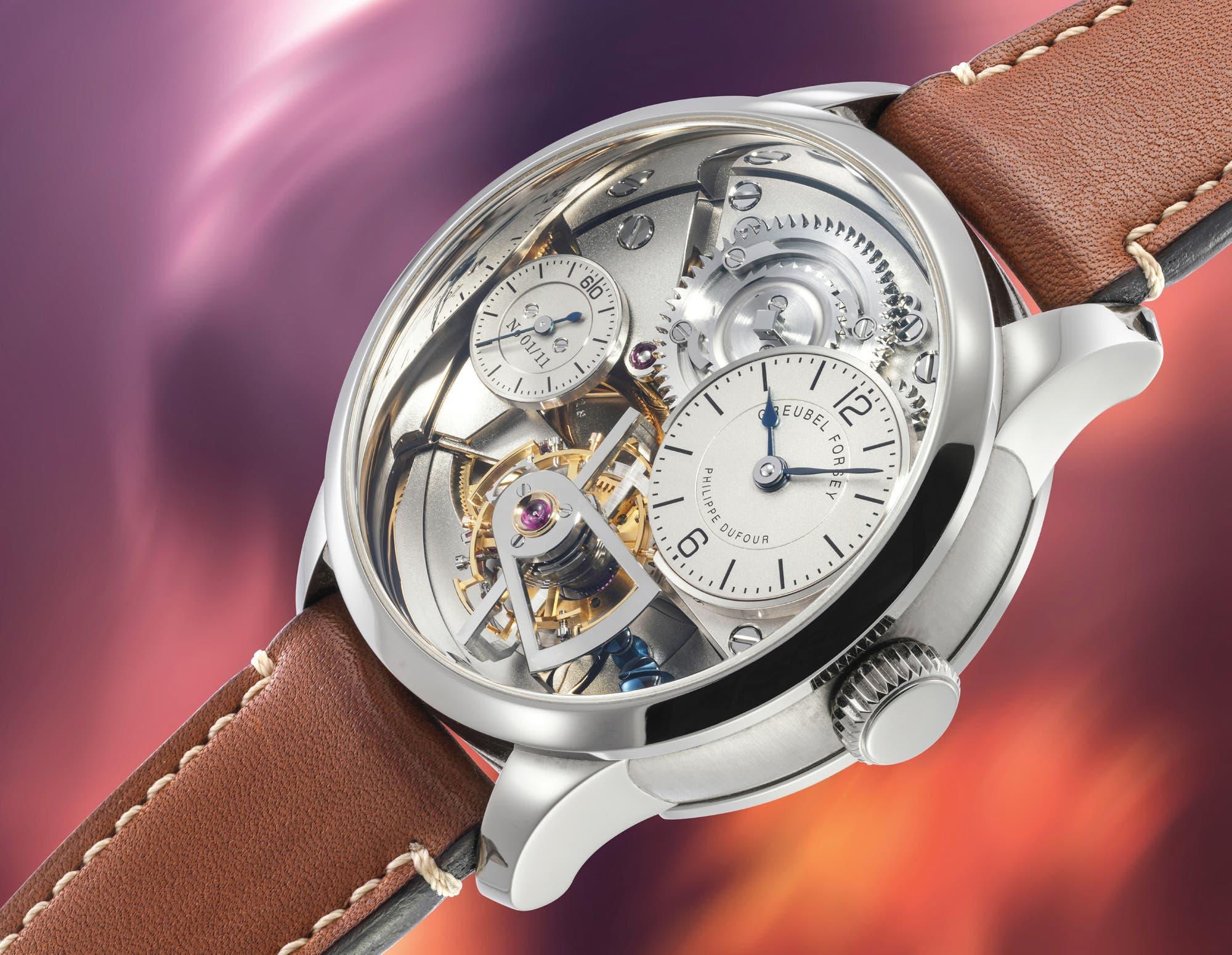
Lot 65: Greubel Forsey x Philippe Dufour x Michel Boulanger Naissance d’une Montre 1 – sold for CHF 1,651,000
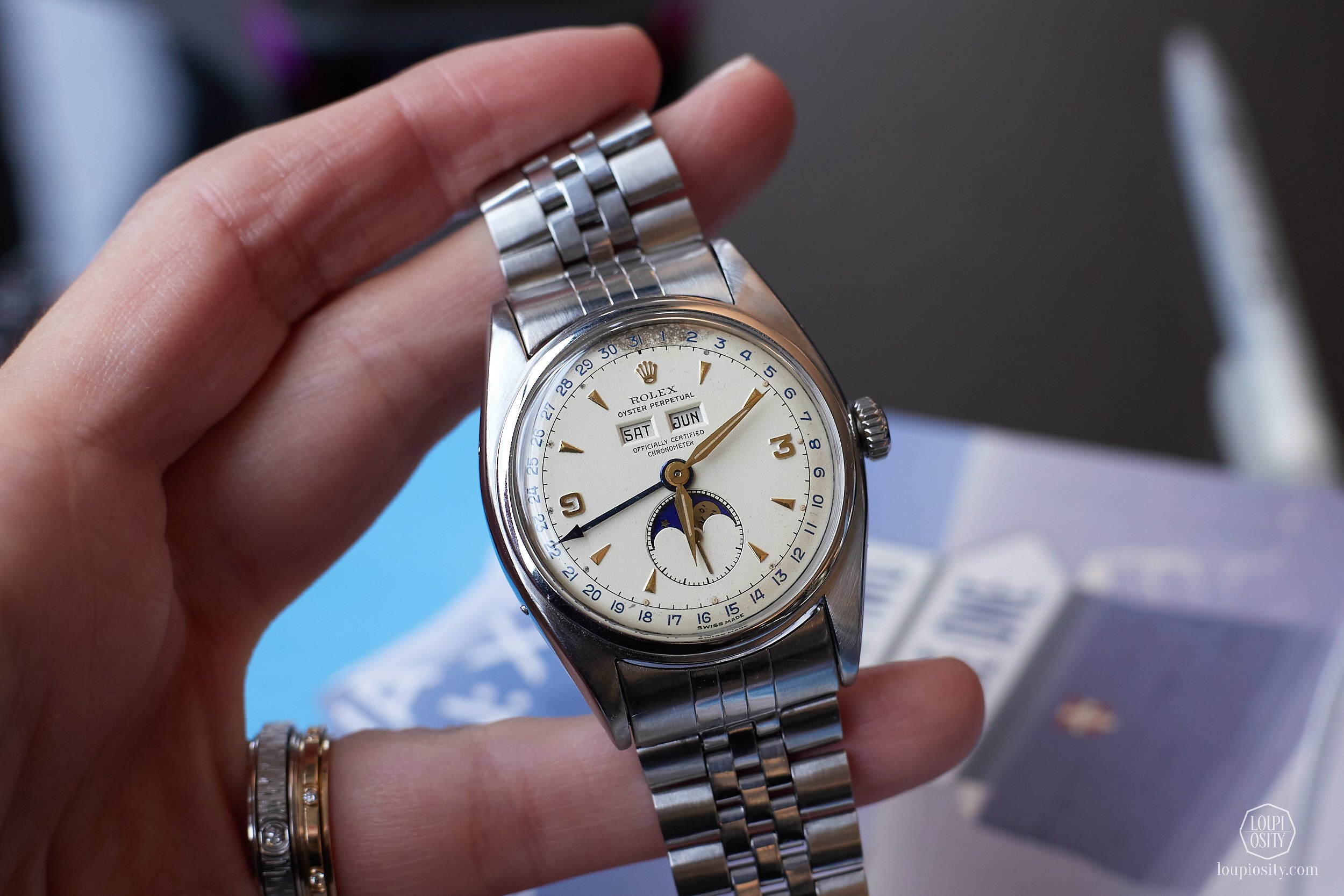
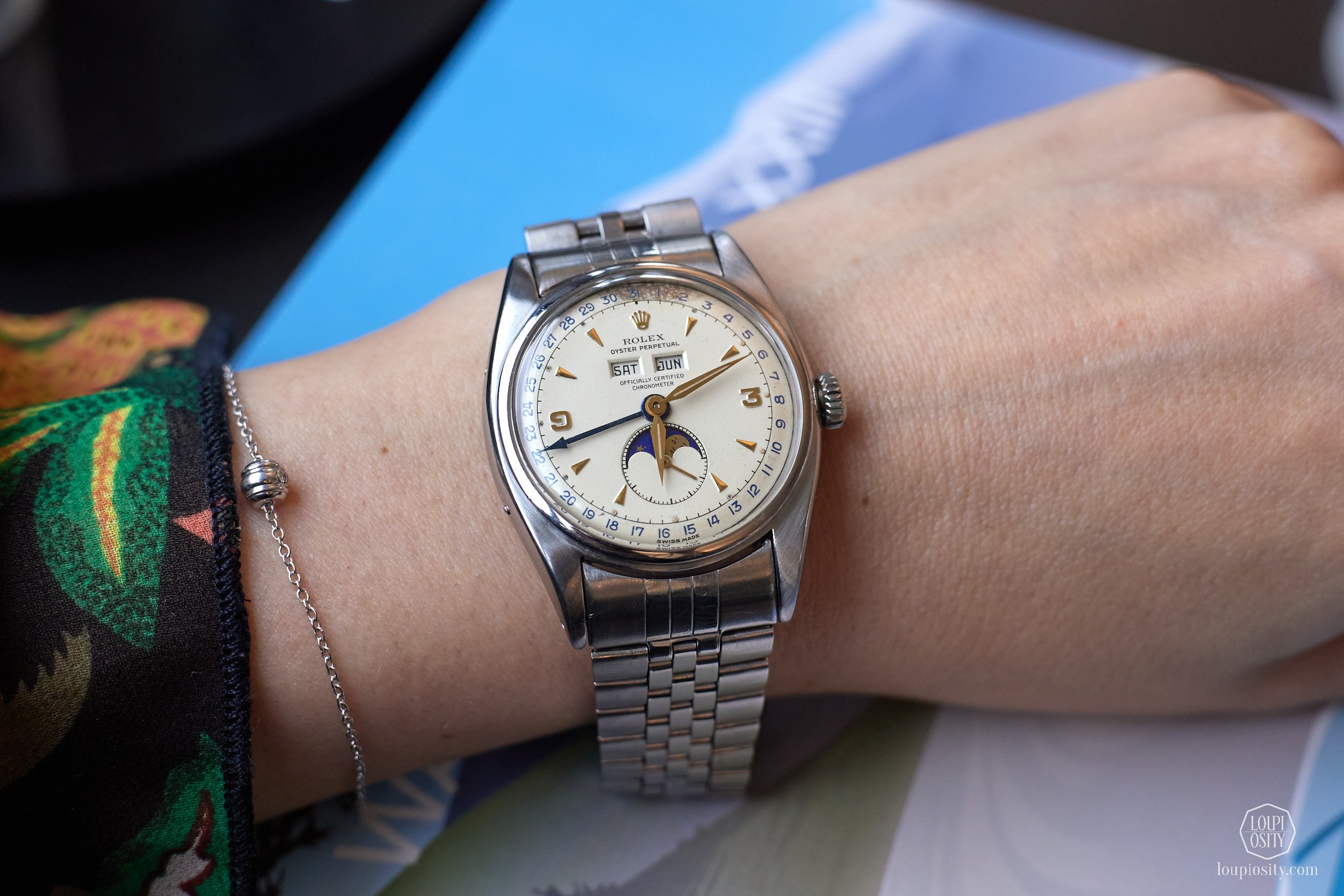
Lot 88: Rolex Ref. 6062 (cca 1953) in stainless steel – sold for CHF 533,400
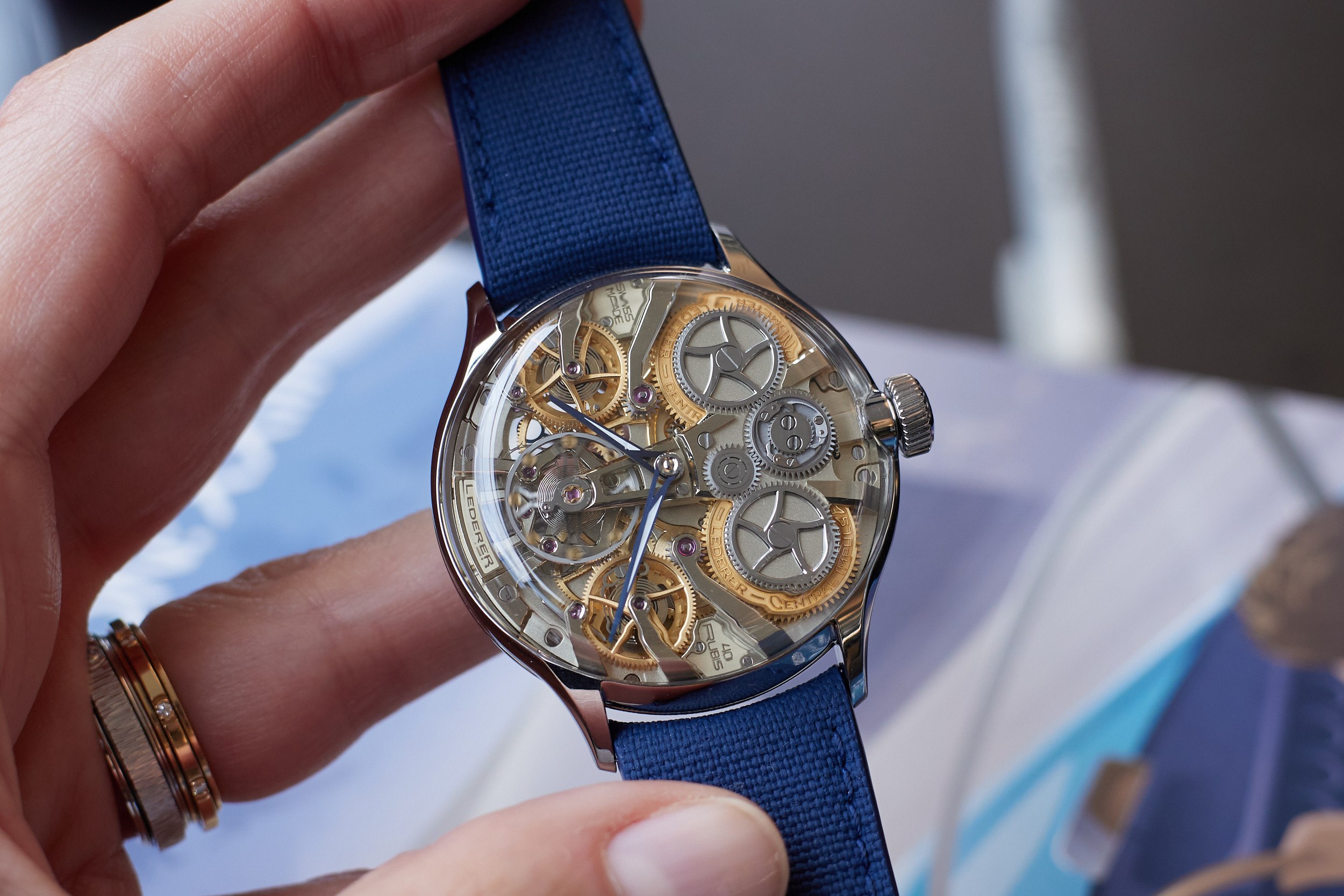
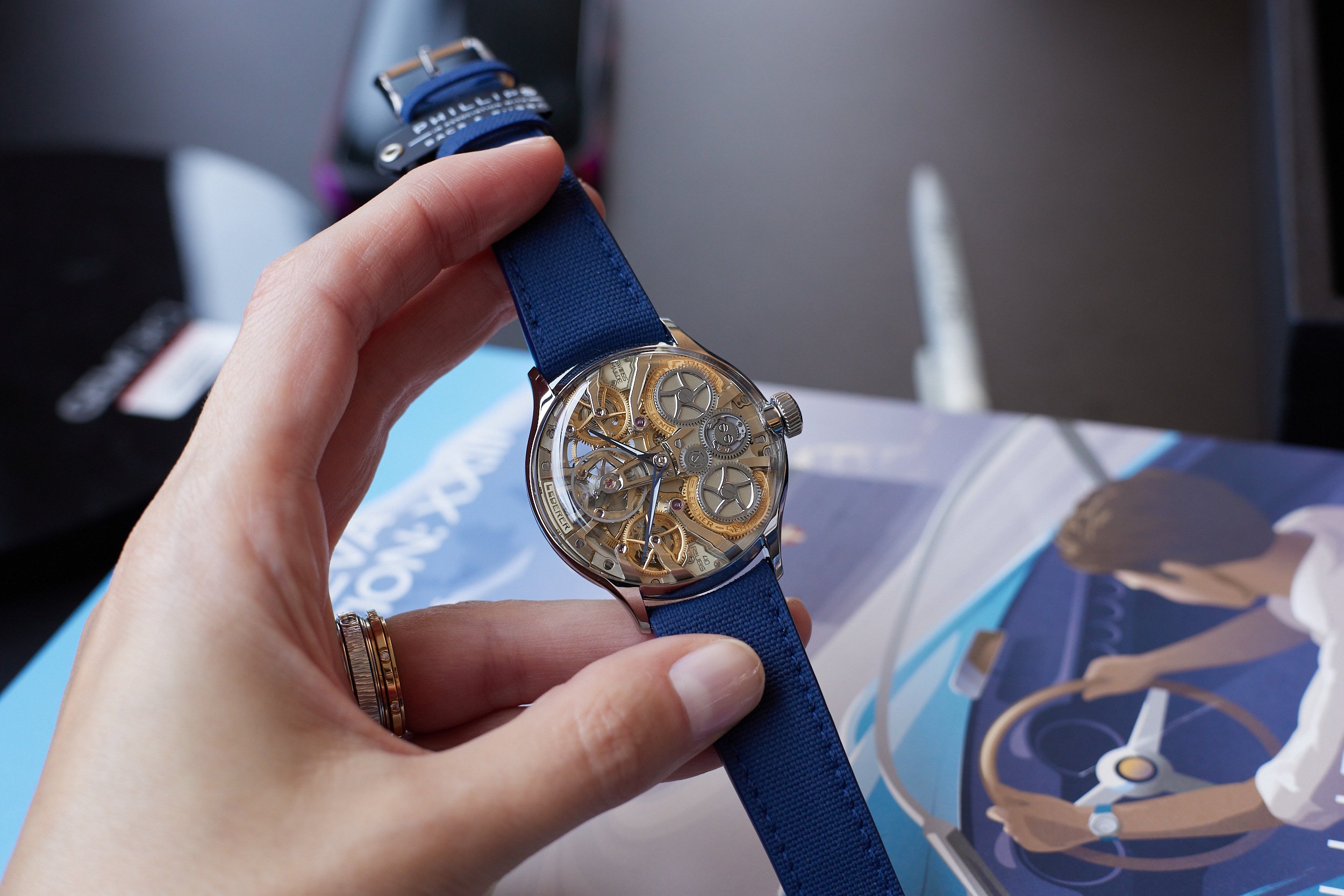
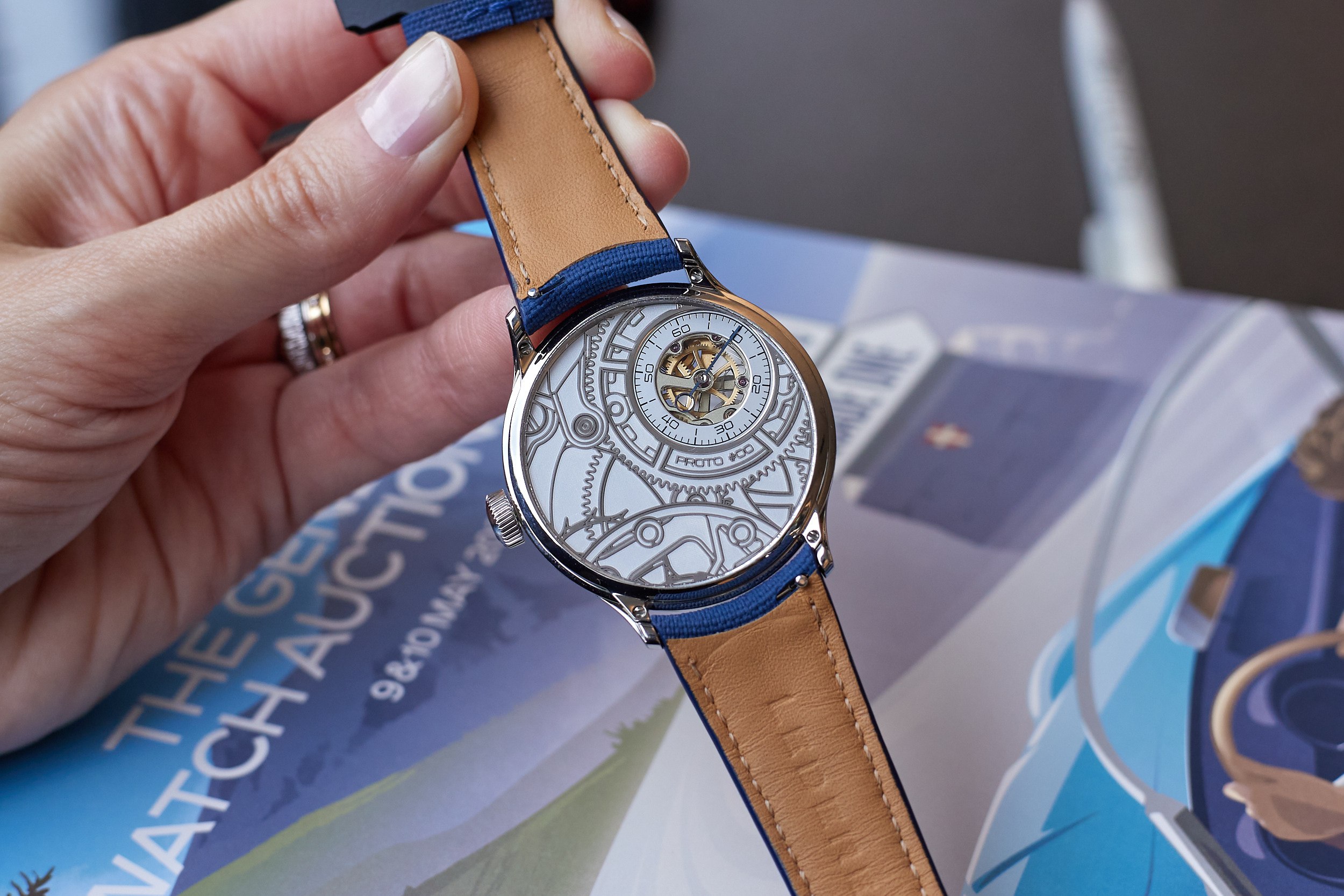
Lot 100: Bernhard Lederer Central Impulse Chronometer Inverto “Prototype 00” – sold for CHF 342,900
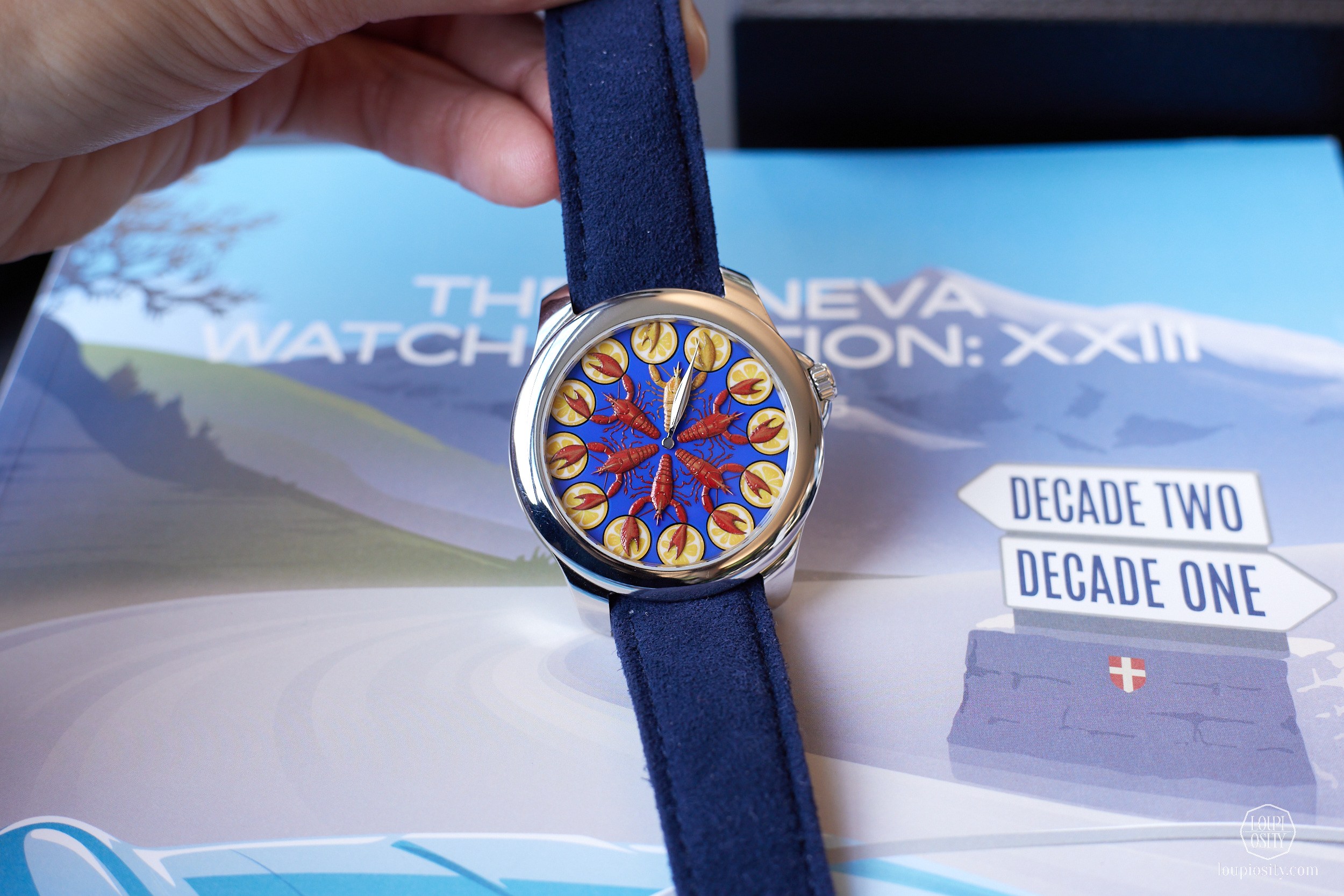
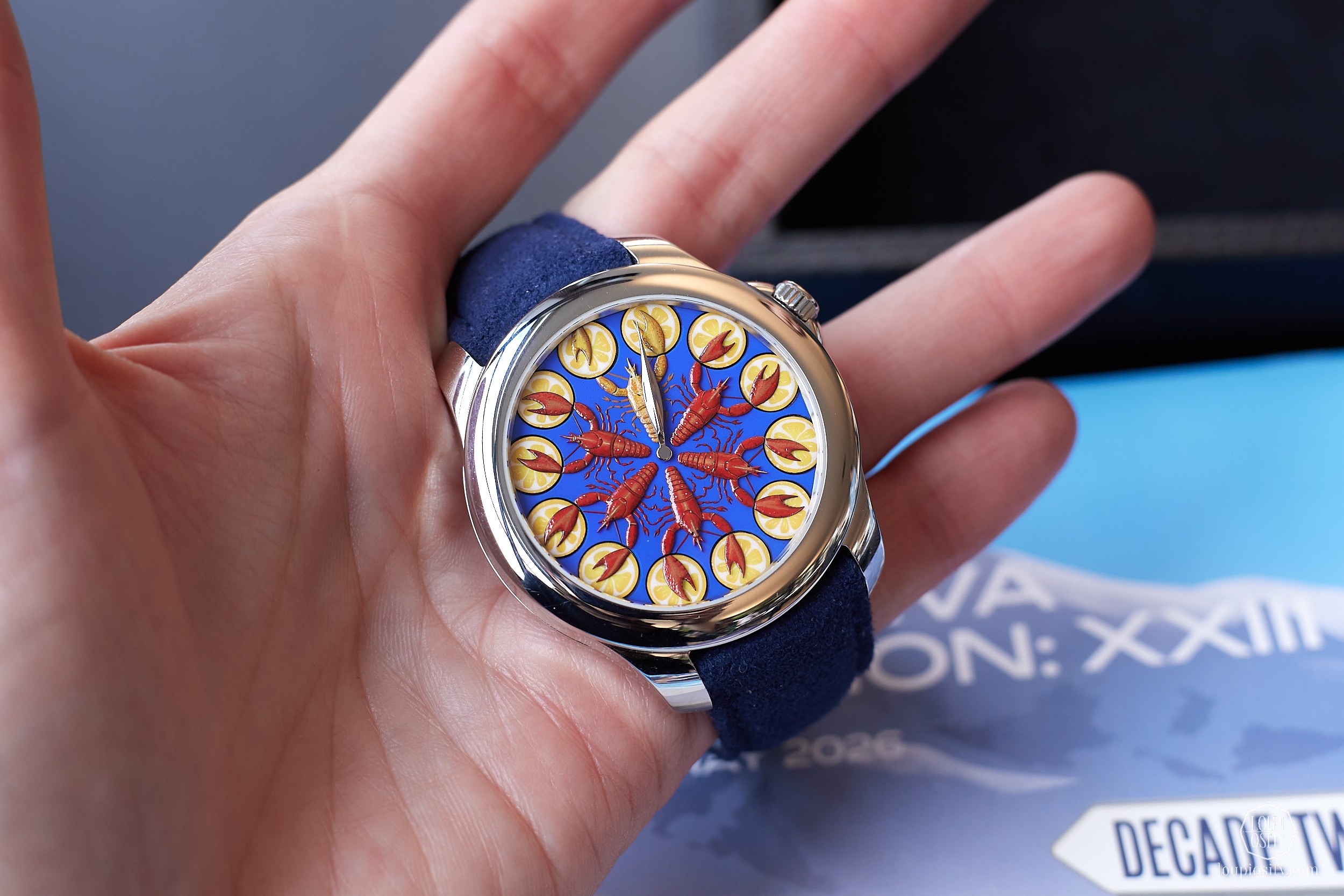
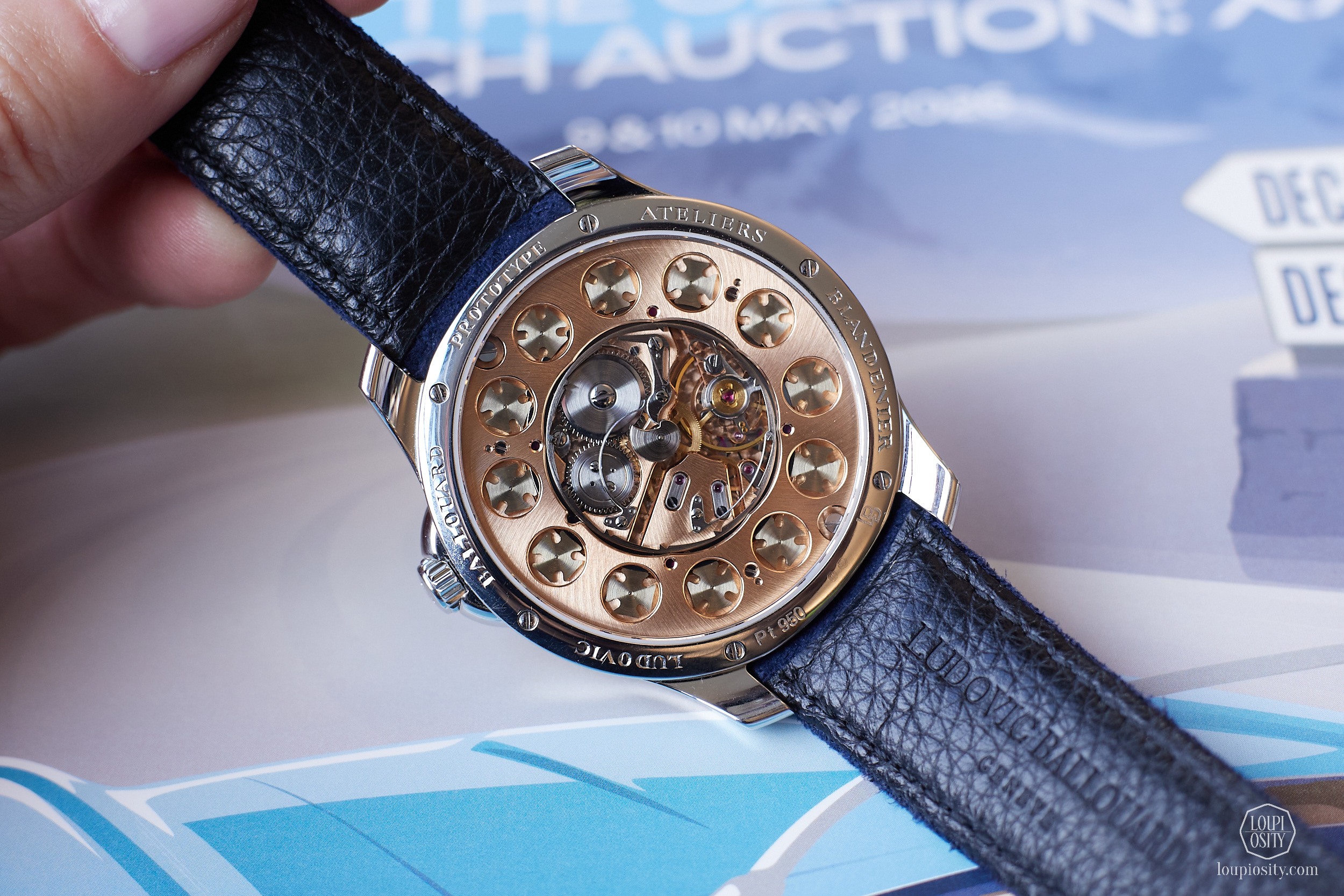
Lot 103: Ludovic Ballouard × Atelier Blandenier Upside Down “Quel Homard Est Il?”- sold for CHF 152,400
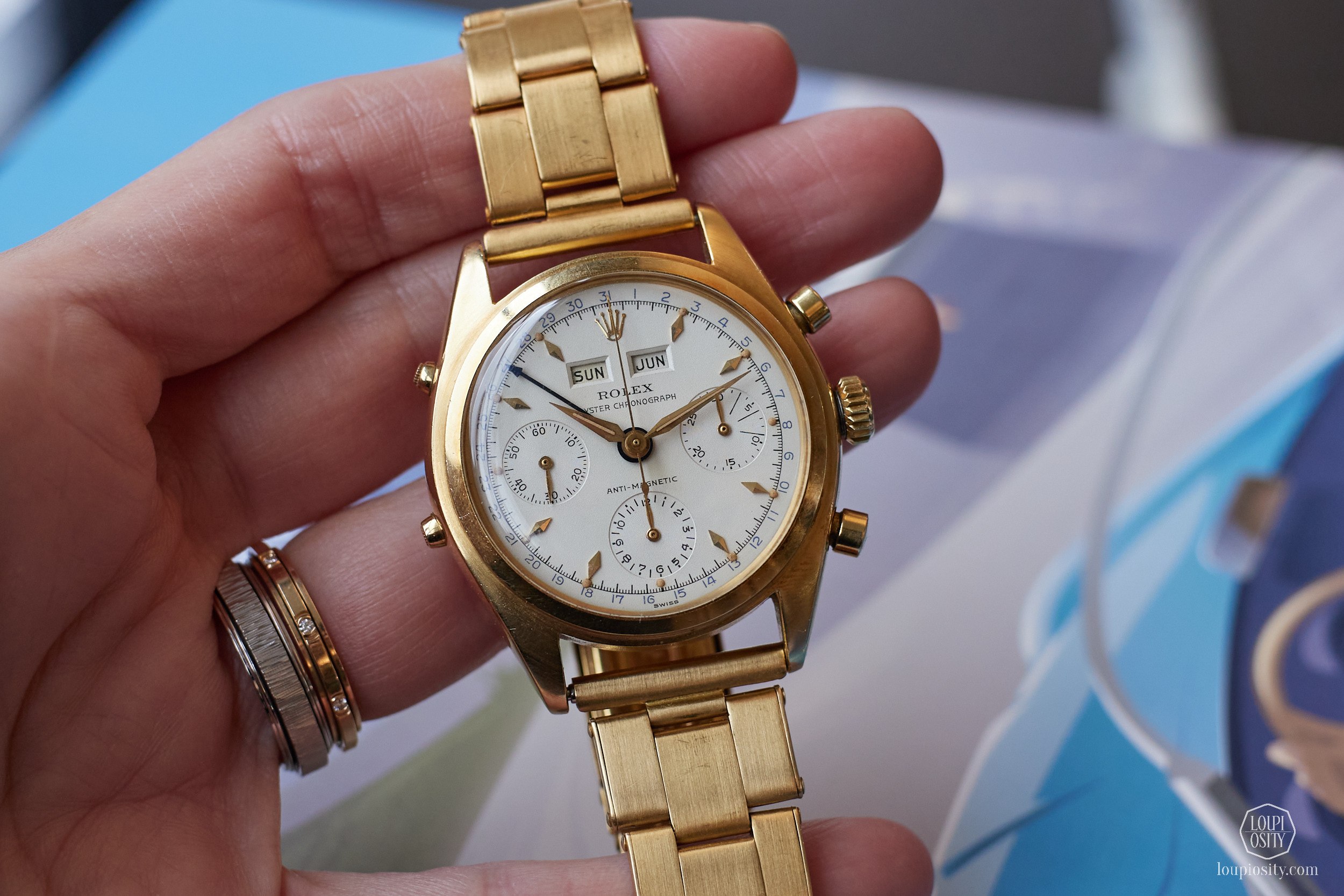
Lot 118: Rolex “Datocompax Killy” Ref. 6036 in 18k yellow gold – sold for CHF 685,800
The Phillips Geneva Watch Auction: XXIII arrives at a moment when the collecting landscape increasingly values provenance and narrative depth alongside technical prowess. While the market has long celebrated Rolex timepieces and the ‘triumvirate of historical Maisons’ (Patek Philippe, Vacheron Constantin, and Audemars Piguet) of Swiss watchmaking, this sale also reflects that over the past two decades, independent watchmaking has become one of the most compelling and closely followed segments of the collector market. One of the top highlights (Lot 36) is an Akrivia AK-06 in stainless steel made circa 2018 by Rexhep Rexhepi, one of the most celebrated independent watchmakers of his generation. Introduced in 2017, the AK-06 represents a shift toward chronometric purity and restrained aesthetics within the Akrivia catalogue.
Independent Horology and Collaborative Innovation
The Lot 65 represents a pinnacle of collaborative watchmaking: the 2016 Greubel Forsey x Philippe Dufour x Michel Boulanger Naissance d’une Montre 1 in white gold.
We covered the Naissance d’une Montre projects in detail here.
Phillips Watches offered the Naissance d’Une Montre 2 (2023) and Naissance d’Une Montre 3 (2025). The present example bears the very coveted case number 1.
12 pieces of the Naissance d’Une Montre were made: an unnumbered example fully handmade by Michel Boulanger named the ‘Montre École’ and sold at auction to finance the Time Æon Foundation, the N° 1/11 (the present watch, fresh to the market and offered by the original owner) handmade and assembled by Michel Boulanger and N° 2/11 to 11/11 assembled by the teams at Greubel Forsey.
The auction also ventures into the experimental with a selection of prototypes. Prototypes are watches created during the development of a model before serial production begins. These pieces are rarely intended for sale and often remain in the workshops of the watchmakers who created them.
The Lot 103 presents a playful collaboration between watchmaker Ludovic Ballouard, Atelier Blandenier, and art students from Geneva’s HEAD and Centre de Formation Professionnelle des Arts. The Ludovic Ballouard × Atelier Blandenier Upside Down “Quel Homard Est Il?” unique piece in platinum (CHF 100,000–200,000) has a dial depicting lobsters and lemons using grand feu enamel and laser cutting. The hour indication uses rotating discs shaped like lobster claws, turning 180 degrees at the top of each hour.
The Bernhard Lederer Central Impulse Chronometer Inverto “Prototype 00” in stainless steel (Lot 100, CHF 60,000–120,000) serves as the only functional prototype and the only example in steel, created to validate the design before production. It features the one of the most innovative movements in contemporary watchmaking, the Central Impulse Chronometer two independent gear trains each equipped with a 10-second constant-force remontoire feeding twin escape wheels.
Technical and Artistic Mastery of Calendar complications
Lot 26 is a 1942 Audemars Piguet Ref. 5503 triple-calendar chronograph (estimate CHF 400,000–800,000), currently there are only five examples known. Cased in stainless steel with 14k pink-gold accents—a likely adaptation to wartime material restrictions—it features elegant teardrop lugs.
The Lot 88 is a Rolex Ref. 6062 (cca 1953) in stainless steel, estimated at CHF 500,000–1,000,000. Launched as the first automatic Rolex to combine a triple calendar and moon-phase in a waterproof Oyster case, it represents the technical apex of the brand’s mid-century production. Its two-tone dial and original factory proportions speak to the restrained elegance of the post-war era.
Similarly, Lot 118 presents a 1951 Rolex “Datocompax Killy” Ref. 6036 in 18k yellow gold (CHF 500,000–1,000,000). Both the 6062 and 6036 are among the most complicated Rolex watches.
Collectively known as ‘Killy’ after Olympic skiing legend, brand ambassador and later member of the Board of Directors for Rolex, Jean-Claude Killy (or ‘Dato-Compax’ in the Italian market). One of only five such references ever produced, it merges a triple calendar with a chronograph. The scarcity of this model, combined with its extraordinary state of preservation, underscores the rarity of high-complication vintage Rolexes.
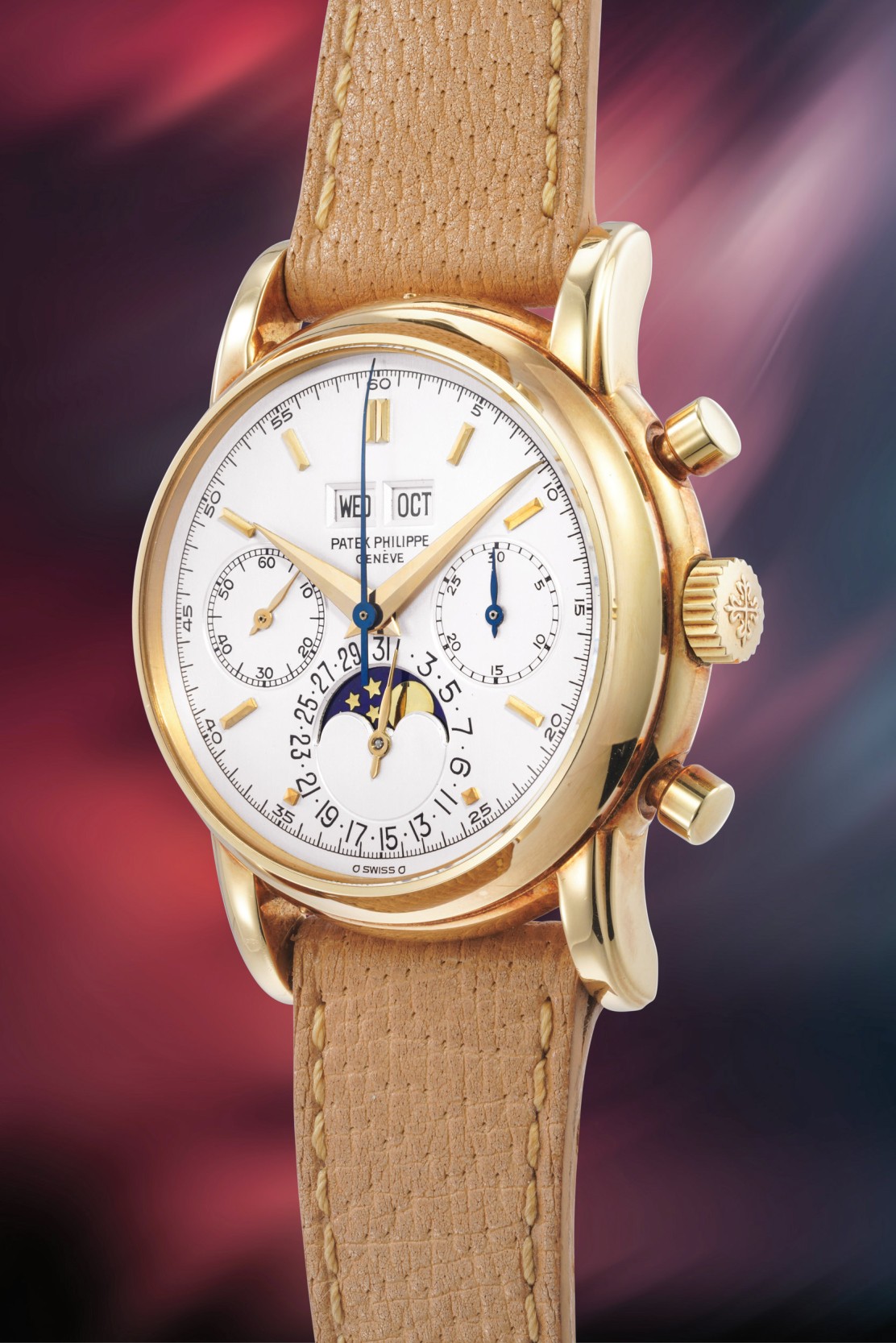
One of the most celebrated perpetual calendar chronographs ever made is the Lot 220, Patek Philippe Ref. 2499/100 (estimate CHF 350,000–650,000). The important reference 2499 with complex chronograph and perpetual calendar only 349 were made between 1951 and 1986. We saw a first-series ref. 2499 in 18K yellow gold at Phillips in 2023 and an other model in the so-called Wenger-case in 2016.
The present fourth-series example, dating to 1984, features a beautifully preserved dial and 18k yellow gold case. It has round chronograph pushers, applied baton numerals, outer seconds divisions, and a sapphire crystal. It appeared on the market once in 2019.
Have you seen the unique Allied victory commemoration watch of General Charles de Gaulle that is also part of the auction? Check it out here.
Photo credits: Phillips Watches. Loupiosity.com
All registered trademarks are property of their respective owners.
All rights reserved.